The US National Transportation Safety Board issued six safety recommendations on Tuesday, October 27, urging the US Coast Guard to establish national standards for uncrewed surface vessels following its investigation into a 2024 collision between a NOAA research vessel and a recreational boat on Lake Erie.
Investigators determined that the uncrewed NOAA craft was difficult to detect and inadequately monitored at the time of the crash, exposing a regulatory gap as autonomous and uncrewed vessels become increasingly common in US inland and territorial waters.
A Collision Near Monroe, Michigan
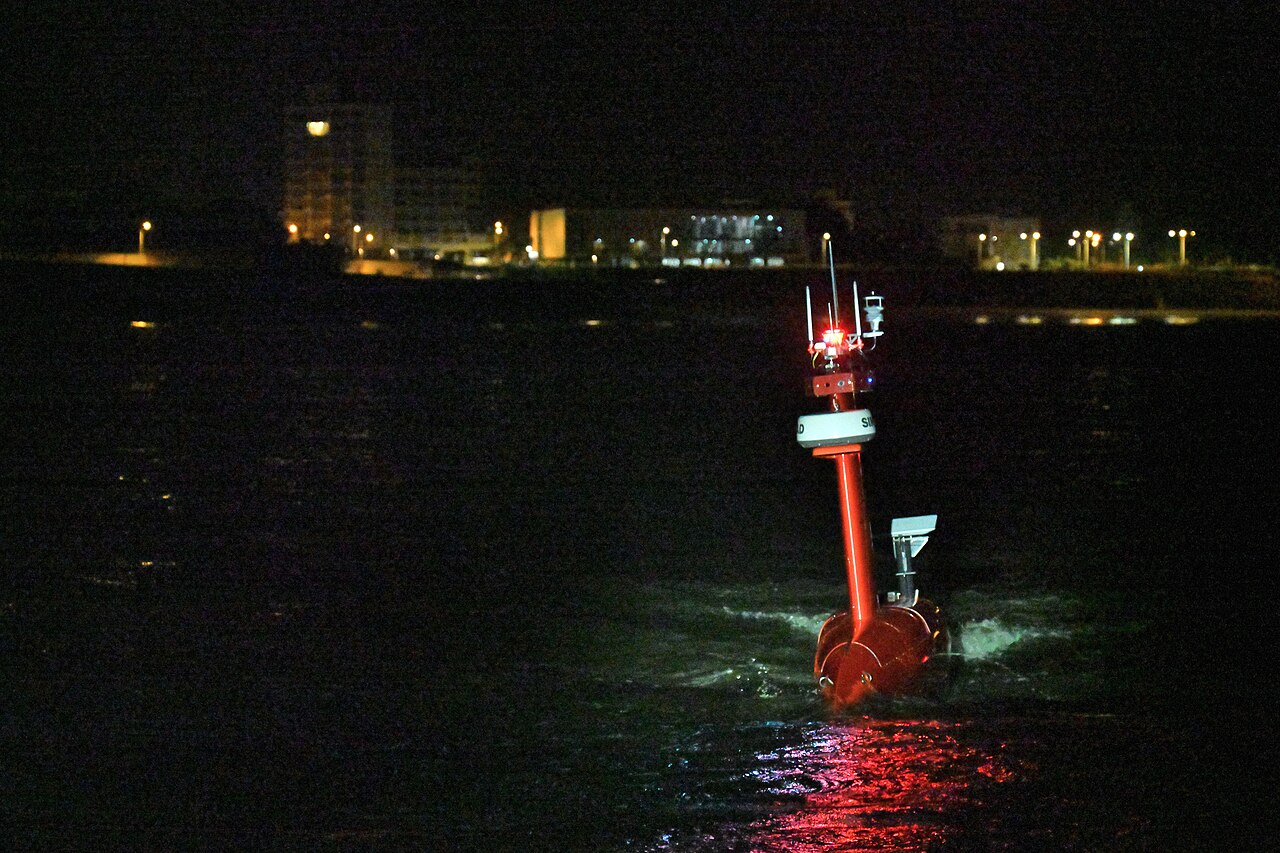
The collision occurred on August 10, 2024, roughly six statute miles east-southeast of Monroe, Michigan, when a recreational Prestige 450 Flybridge struck a 15.7-foot uncrewed surface vessel operated by NOAA’s Great Lakes Environmental Research Laboratory. Investigators found the USV was difficult for other mariners to see because only about a foot of its hull was visible above the waterline, and it was unlikely to be perceived electronically by the radar or automatic identification systems typically carried on nearby recreational craft.
The NTSB determined the probable cause was the USV’s inadequate visibility combined with insufficient active monitoring for its operating mode and level of autonomy, leaving the vessel without an adequate lookout; its cameras were switched off at the time of impact. The recreational vessel’s operator sustained a minor foot injury, the USV was declared a constructive total loss valued at $186,000, and GLERL staff learned of the collision only when the Coast Guard called more than 30 minutes after it happened.
Six Recommendations on Detection and Monitoring
The NTSB recommended that the US Coast Guard develop a national framework covering the perceptibility, collision-avoidance capability and navigational safety of uncrewed surface vessels and incorporate those standards into formal regulations. The board found that, at the time of the collision, no industry-wide standards specifically addressed these issues for USVs operating in US inland and territorial waters.
Separately, the NTSB recommended that SeaTrac Systems, the vessel’s manufacturer, modify the USV’s design to improve its detectability, and that NOAA revise its internal policies to ensure its fleet of uncrewed craft is perceptible to other mariners. NOAA was also urged to require monitoring commensurate with each vessel’s actual level of autonomy and to test detectability under conditions typical of its operating area.
Pressure Builds as Autonomous Fleets Expand
The recommendations arrive as the maritime industry increasingly adopts uncrewed vessels for oceanographic research, hydrographic surveying and environmental monitoring, use cases where NOAA and other operators have expanded USV deployments across US waterways. The agency’s findings highlight that regulatory frameworks have not kept pace with this operational growth, leaving gaps in how such craft are marked, monitored and integrated into traffic alongside crewed vessels.
The NTSB’s recommendations do not themselves create new regulations, but they place additional pressure on the Coast Guard to act as uncrewed vessel operations proliferate. The case adds to a broader pattern of scrutiny facing automation and autonomous systems across the maritime sector, where regulators in the US and internationally are still developing rules to govern remotely monitored and self-operating vessels.
Why it matters
The case underscores a widening gap between the rapid adoption of uncrewed and autonomous vessels for research, surveying and monitoring work, and the regulatory frameworks meant to keep them safe around conventional traffic. As government agencies and commercial operators deploy more USVs in US and global waterways, the absence of mandatory detectability and monitoring standards raises collision risks for recreational and commercial mariners alike. The NTSB’s recommendations could shape how the Coast Guard and international bodies eventually regulate the fast-growing autonomous vessel sector.
Source: gCaptain