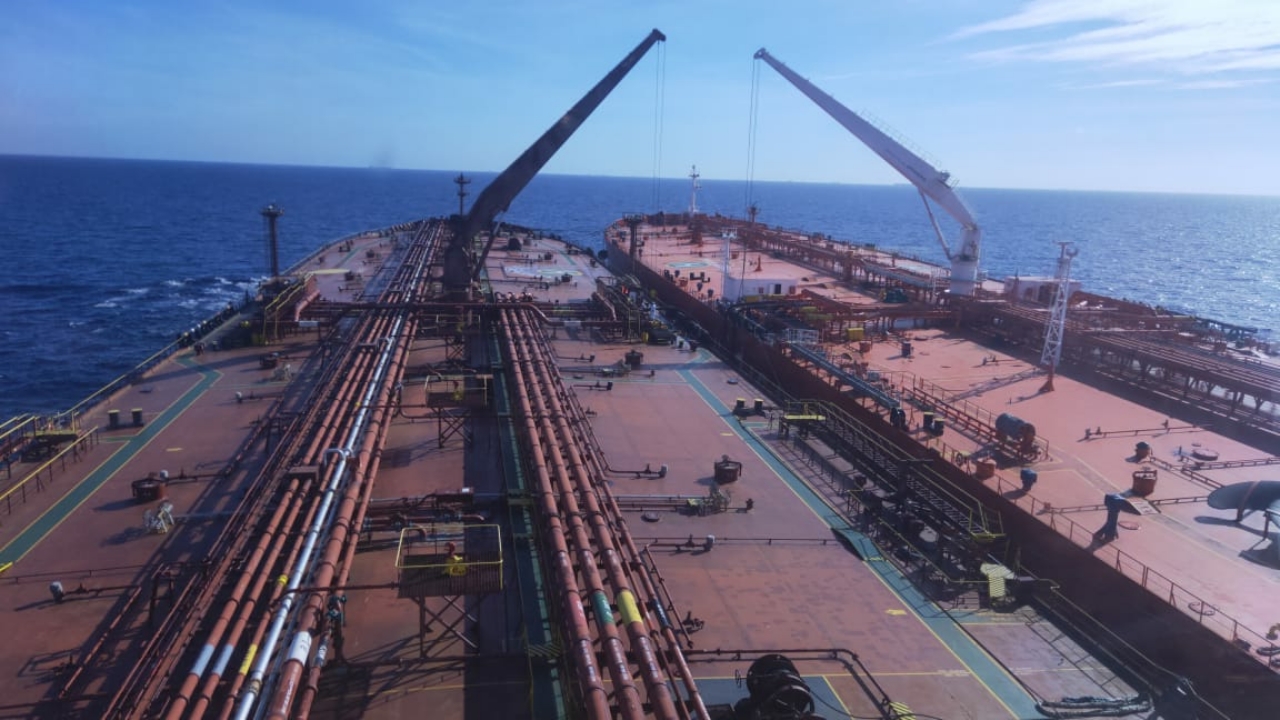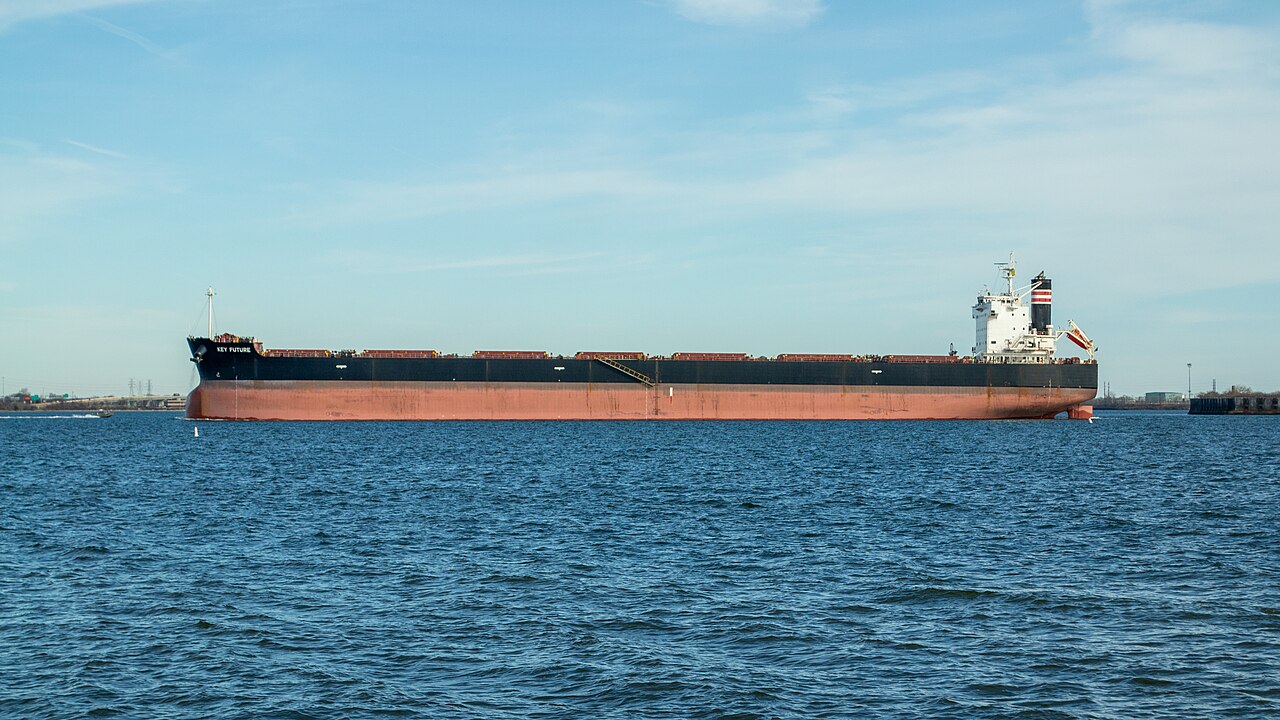
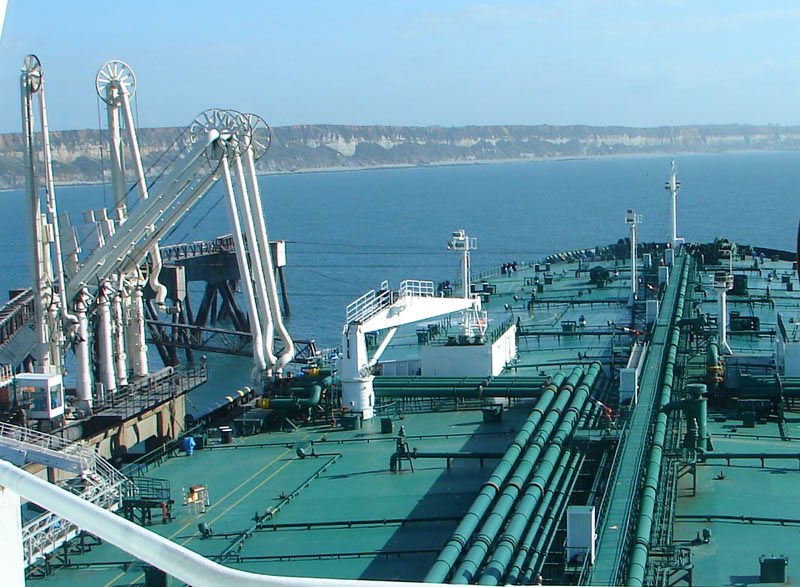
COSCO Shipping Energy Transportation has rolled out a sweeping expansion of its crude oil tanker fleet, combining firm newbuilding contracts for ten very large crude carriers with bareboat charter arrangements for a further fourteen newly built VLCCs. The Chinese tanker operator’s wholly owned subsidiary, Hainan Cosco Shipping Energy Transportation, signed shipbuilding contracts worth roughly 9.48 billion yuan (1.42 billion dollars) for the ten firm orders, split between two Chinese shipyards.
Separately, the company’s subsidiary Cosmos Marine Enterprises has approved plans to take fourteen newly built VLCCs on long-term bareboat charter from six Chinese financial leasing providers, with maximum rental commitments of up to 17.4 billion yuan (2.61 billion dollars). The board has also approved a further proposal covering sixteen additional VLCC newbuildings under leasing and financing arrangements, though details of that package have yet to be disclosed.
Split Order Across Two Chinese Yards
Under the newbuilding contracts, Hainan Cosco Shipping Energy Transportation has placed six VLCCs with COSCO Shipping Heavy Industry in Yangzhou, scheduled for delivery between August 2029 and November 2030, with the remaining four slots awarded to another Chinese yard. The Yangzhou order is classified as a related-party transaction because the shipyard belongs to the COSCO group, meaning it still requires shareholder approval before proceeding.
The firm-ordered vessels will be equipped with clean propulsion configurations, including LNG and methanol dual-fuel-ready systems, alongside energy-efficiency and smart-vessel technologies. COSCO Shipping Energy said the approach is designed to scale up crude-carrying capacity while aligning the fleet with global decarbonisation mandates governing newbuild specifications through the end of the decade.
Fourteen-Ship Bareboat Charter Programme
Parallel to the direct newbuilding investment, Cosmos Marine Enterprises plans to bareboat charter fourteen newly built VLCCs from six financial leasing companies, structured to last up to twenty years. The charter programme comprises ten LNG dual-fuel vessels and four conventionally powered VLCCs, with all fourteen ships expected to enter service during 2030.
COSCO Shipping Energy said the bareboat structure allows it to expand its operating fleet while limiting upfront capital expenditure compared with direct ownership. The leasing arrangements, like the Yangzhou newbuilding deal, still require shareholder approval before the agreements can be finalised with the six financial leasing providers involved in the transaction.
Market Context and Additional Capacity
The announcement forms part of a broader wave of VLCC contracting activity across Chinese and South Korean yards in recent weeks, with brokers reporting tightening newbuilding slot availability for 2027 and 2030 delivery windows. COSCO Shipping Energy’s twenty-four-vessel push represents one of the largest single VLCC fleet expansions disclosed by a Chinese operator this year, reflecting sustained demand for crude tanker capacity despite ongoing volatility in oil trade flows tied to sanctions and regional tensions.
The board’s separate approval of a sixteen-vessel leasing and financing proposal signals potential further expansion beyond the twenty-four vessels already confirmed, though the company has not yet specified shipyards, delivery schedules or whether the package overlaps with existing plans. Further disclosure is expected once specific agreements are signed with shipyards and financing partners.
Why it matters
The expansion underscores sustained confidence among Chinese state-controlled carriers in long-term crude oil shipping demand, even as the IMO pushes dual-fuel and alternative propulsion standards across the tanker sector. A twenty-four-vessel order of this scale will tighten VLCC newbuilding slot availability at Chinese yards through 2030 and could influence secondhand tanker valuations and charter rates as owners race to secure delivery positions. The reliance on bareboat charters and financial leasing structures also highlights how major operators are managing capital expenditure while scaling fleets to meet both trade growth and tightening environmental mandates.
Source: Seatrade Maritime