Egypt and South Korea elevated bilateral relations to a strategic partnership and formally launched negotiations on a Comprehensive Economic Partnership Agreement during a summit in Seoul on Thursday, October 8, signing or revising twelve cooperation documents that include dedicated shipbuilding and maritime affairs memoranda.
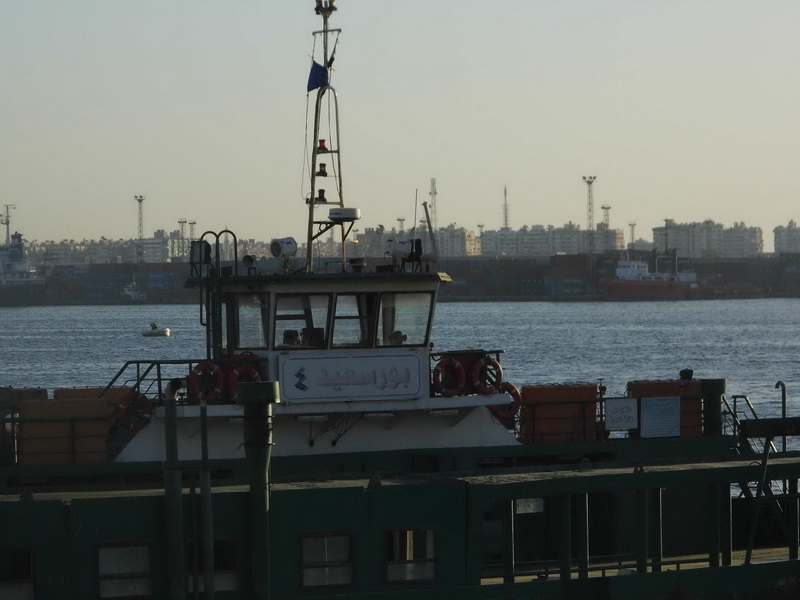
The agreements, announced by Egyptian President Abdel Fattah el-Sisi and South Korean President Lee Jae Myung, single out the Suez Canal Economic Zone as a priority area for investment, with Cairo proposing a dedicated Korean industrial zone inside the trade corridor that links the Mediterranean and Red Seas.
Summit Outcomes and Trade Talks
The two leaders welcomed the launch of negotiations on a Comprehensive Economic Partnership Agreement intended to broaden trade and investment cooperation across manufacturing, energy, infrastructure, artificial intelligence and smart cities. Two-way trade between the countries stood at roughly 1.74 billion dollars in 2025, according to Korea International Trade Association figures, while separate Egyptian data put bilateral trade at 874 million dollars for the January-August 2026 period, down slightly from 920 million dollars a year earlier.
South Korea’s Foreign Ministry recorded about 50 Korean companies operating or investing in Egypt, with cumulative Korean investment reaching approximately 940 million dollars by the end of 2025. The documents signed in Seoul also covered a social security agreement, clean energy, electricity infrastructure, information technology and cultural exchange, alongside the shipbuilding and maritime memoranda.
Shipbuilding and Maritime Memoranda
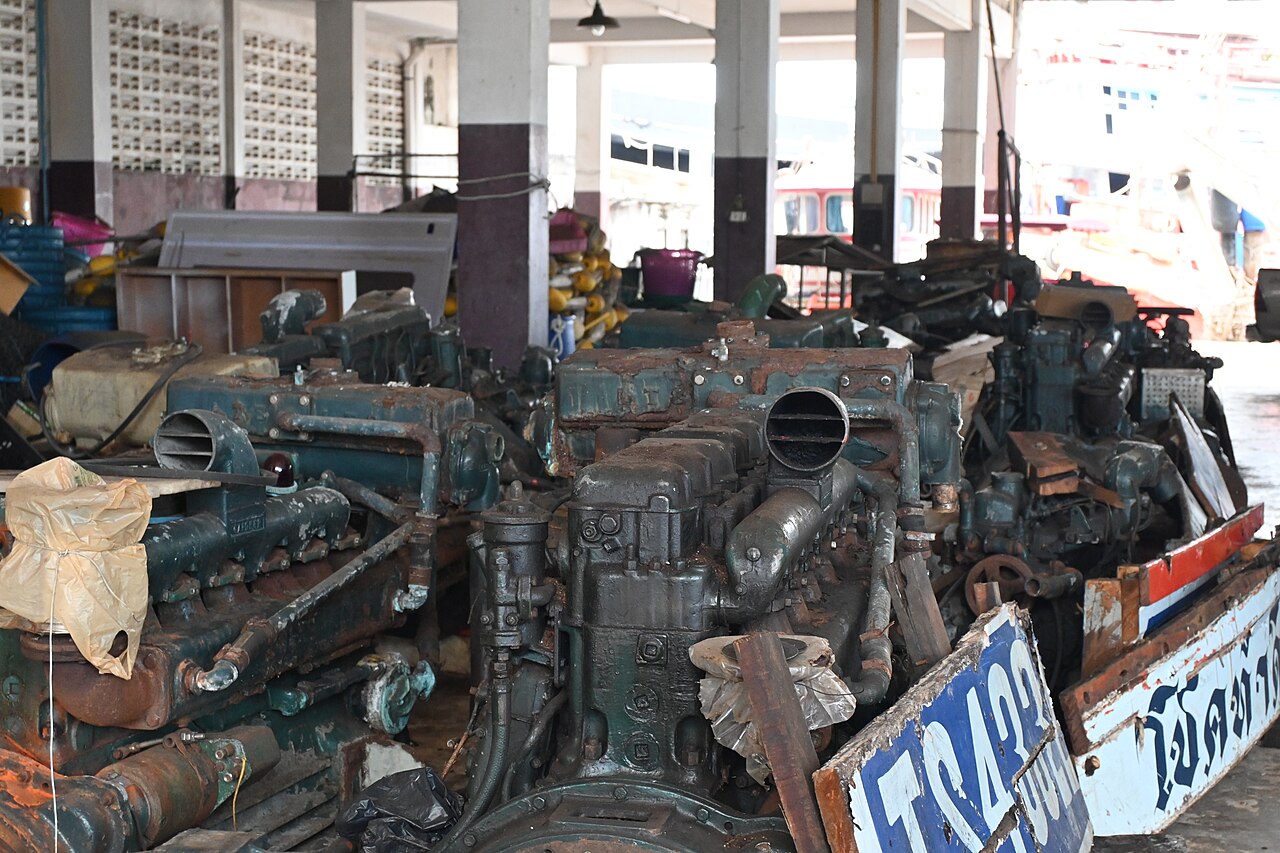
A shipbuilding cooperation memorandum seeks to support the development of Egypt’s environmentally friendly shipbuilding industry while creating opportunities for Korean shipbuilders to expand their international activities. A separate maritime cooperation memorandum covers expert exchanges and joint research in shipping and port-related sectors between the two governments.
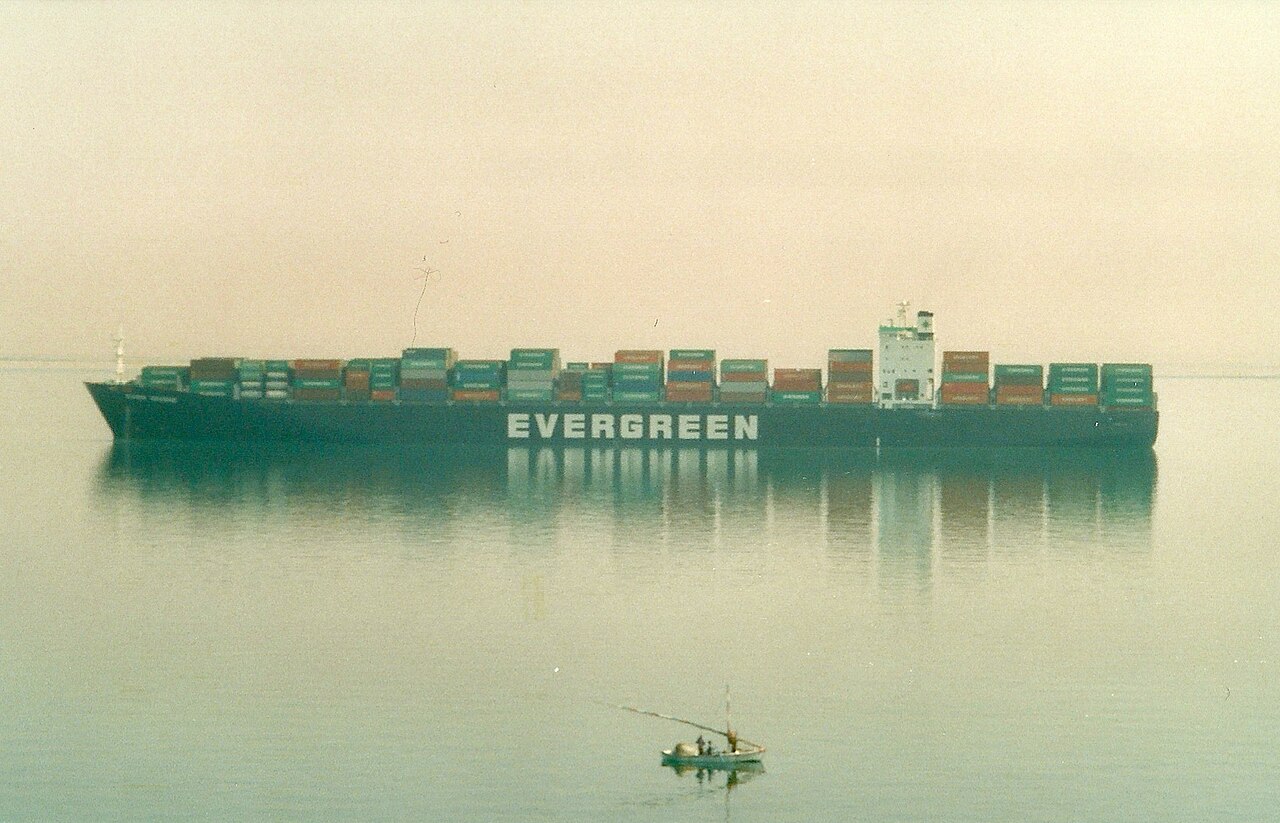
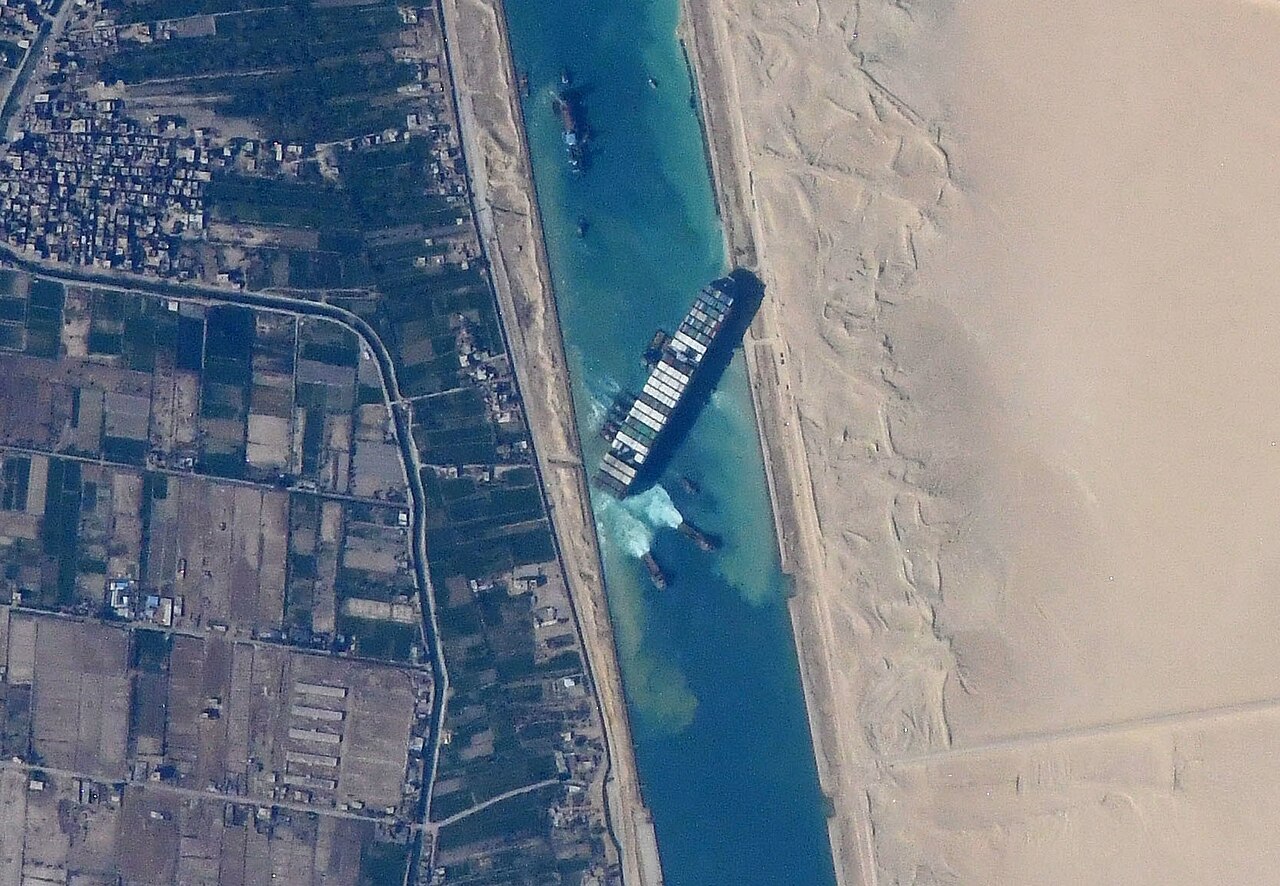
Given Egypt’s position controlling the link between the Mediterranean and Red Seas, maritime cooperation carries particular weight for international shipping and supply-chain connectivity. Both sides reaffirmed the importance of safe navigation and uninterrupted international maritime trade through the Suez Canal, one of the busiest waterways for global vessel traffic.
Suez Zone Industrial Push
Sisi met representatives of 23 major South Korean companies in Seoul and proposed establishing a dedicated Korean industrial zone within the Suez Canal Economic Zone, presenting Egypt as a manufacturing and export base for companies seeking access to markets in Africa, the Middle East and Europe. The pitch builds on existing multibillion-dollar projects between the two countries, including defense manufacturing cooperation around South Korea’s K9 self-propelled howitzer.
Lee called for bilateral cooperation to extend beyond arms sales into local manufacturing and technology transfers that could strengthen Egypt’s industrial base. The countries also signed a memorandum exploring 44 hydrogen-powered tram trainsets with Hyundai Rotem for Egypt’s New Administrative Capital, part of a wider push into clean-energy and advanced manufacturing sectors alongside the maritime accords.
Why it matters
A Korean industrial foothold inside the Suez Canal Economic Zone would give Seoul’s shipbuilders and manufacturers a production base directly astride one of the world’s busiest shipping corridors, potentially diversifying supply chains for vessels transiting between Asia, Europe and the Mediterranean. The shipbuilding memorandum signals Korean interest in supporting Egypt’s green-shipbuilding ambitions at a time when global yards face a crowded orderbook, while the maritime cooperation pact adds another layer of institutional dialogue on navigation safety through the canal amid regional security tensions affecting Middle East shipping lanes.
Source: Economy Middle East