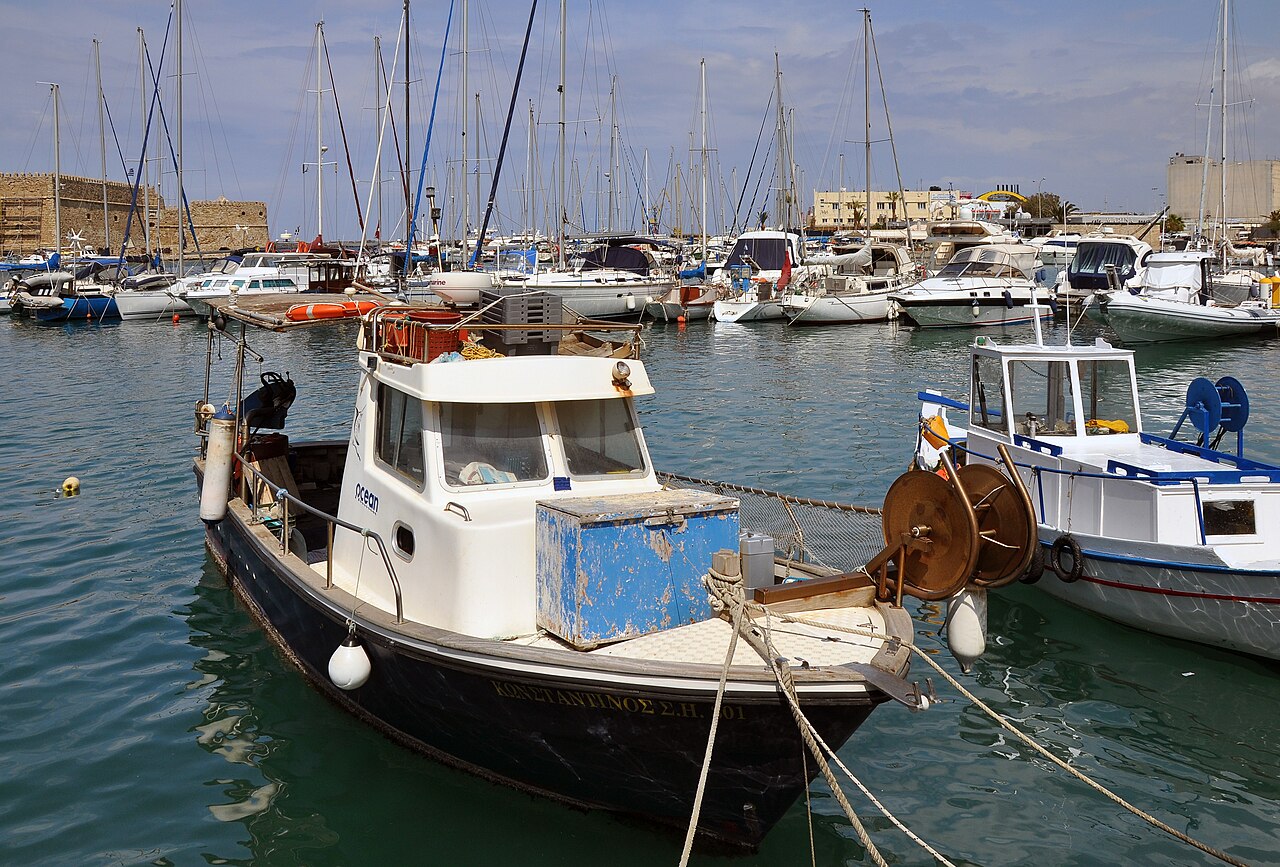
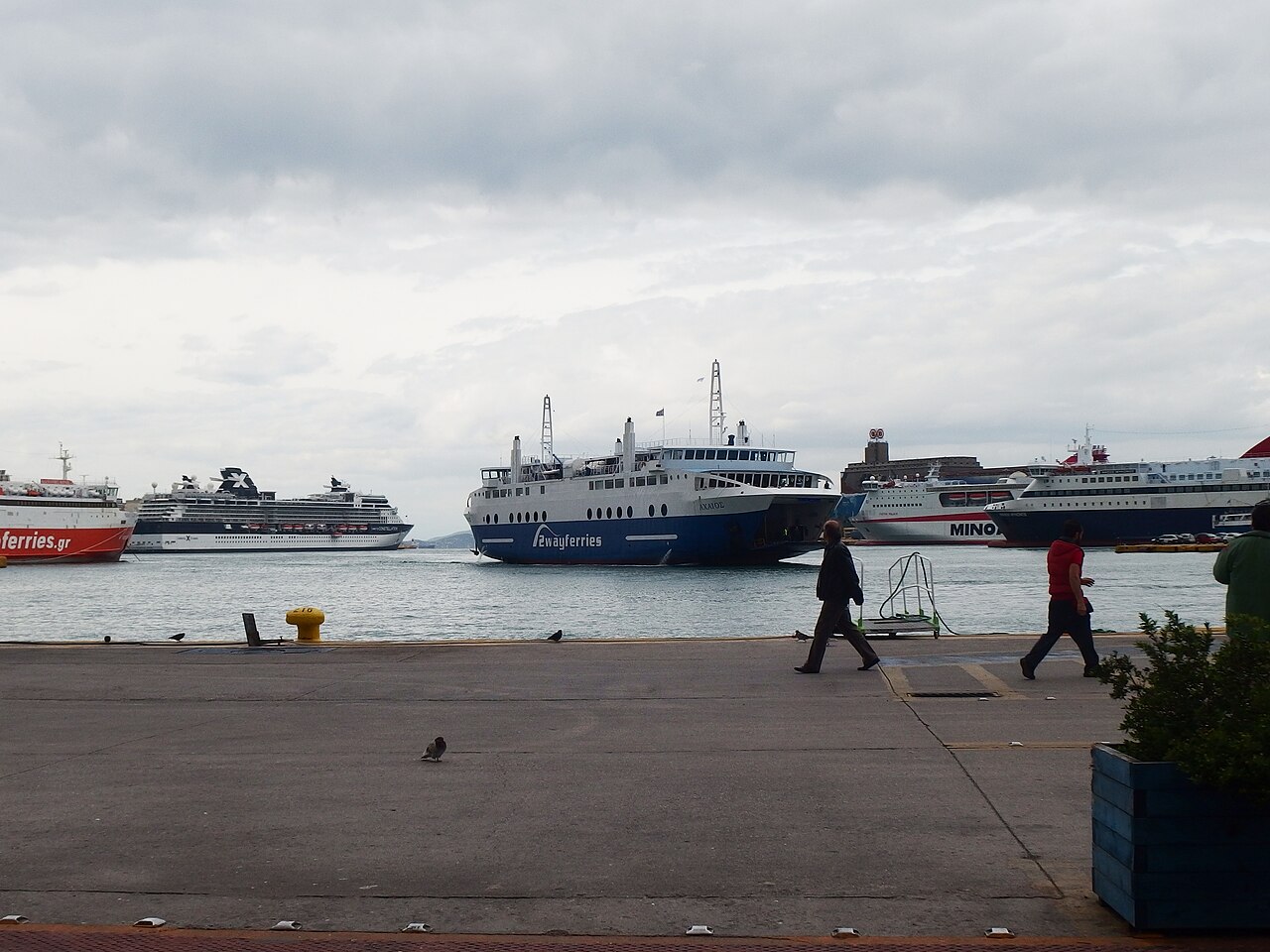
Greece’s government is preparing a subsidy for marine bunker fuel used by domestic ferry operators, set at 16 euro cents per litre, with the overall package valued at an estimated 30 to 35 million euros, according to Greek media reports and confirmation from Shipping and Island Policy Minister Vasilis Kikilias this week.
The measure would apply retroactively from September through the end of October, covering roughly 20 to 25 percent of the ferry sector’s additional bunker costs during that period, which operators estimate at more than 150 million euros. Industry representatives have warned that without sufficient state support, companies may still need to cut sailings or raise ticket prices on routes serving Greece’s islands.
Latest in Series of Fuel Interventions
The planned subsidy follows a pattern of government interventions this year aimed at shielding ferry passengers from rising energy costs. In March, Prime Minister Kyriakos Mitsotakis announced a broader 300 million euro support package that included diesel subsidies, a digital fuel pass for households, and compensation for ferry companies tied to mandatory passenger discounts they are required to provide to groups such as students and families.
Kikilias had said earlier government measures, including a 50 percent reduction in port fees, had already prevented ferry fare increases of around 15 percent that operators had proposed. The minister confirmed in a television interview on ANT1 that the government intended to introduce new measures to support operators, though he did not disclose the exact amount or form of assistance until the bunker subsidy figure was later reported.
Subsidy Mechanics and EU Framework
Under the European Union’s state aid rules, governments are permitted to subsidize up to 70 percent of the increase in fuel costs facing transport operators, giving Athens room to expand support beyond the current proposal if fiscal conditions allow. The 16-cent-per-litre rate mirrors a diesel subsidy level used earlier this year for households and professional diesel consumers under the broader 300 million euro relief package.
Discussions between the shipping ministry and ferry company representatives have already taken place, with final details expected to be announced following coordination with the prime minister’s office and the finance ministry. Kikilias has described ferry services as an essential form of mass transportation for island residents, visitors and the movement of goods, underscoring the political priority placed on keeping routes affordable.
Operator Pressure and Island Impact
Ferry operators have pointed to the gap between the proposed subsidy and their actual cost increases, noting that even with the new aid covering only a fifth to a quarter of additional bunker expenses, further fare adjustments or service cuts cannot be ruled out. The sector has faced sustained pressure from global energy price volatility linked to ongoing conflicts affecting oil markets.
For island communities that depend on ferries for passenger transport, freight and supply chains, any reduction in service frequency or affordability carries direct economic consequences. The government has framed its repeated interventions, including last year’s port fee cuts and this year’s diesel and bunker subsidies, as necessary to preserve connectivity while avoiding abrupt fare shocks for travelers.
Why it matters
Greece’s domestic ferry network is the primary lifeline connecting dozens of inhabited islands to the mainland, making fare stability a politically sensitive issue tied directly to tourism revenue and island economies. Repeated state intervention to offset bunker fuel costs highlights how energy price volatility is reshaping coastal shipping economics even as Greek-owned deep-sea tonnage continues to dominate global tanker and bulk markets. The subsidy also illustrates the limits of EU state aid flexibility, with Athens using only a fraction of the permitted 70 percent coverage, leaving open the possibility of further fare pressure or service adjustments if fuel costs remain elevated.
Source: Shippax