Copenhagen-based Maersk said on Monday that its joint container service with Germany’s Hapag-Lloyd connecting India and Europe will resume sailings through the Suez Canal, replacing the Cape of Good Hope route the carriers adopted in late 2023 after Houthi attacks on Red Sea shipping.
The service, known as ME1 to Maersk and the Indian Ocean Service to Hapag-Lloyd, operates under the companies’ Gemini Cooperation vessel-sharing network and will begin transiting the Suez Canal again from mid-November, extending a phased return to the shorter Asia-Europe corridor that began earlier this year.
Route Switch Details
Hapag-Lloyd has set 12 November as the approximate date for its first eastbound departure under the new rotation, while Maersk cites 13 November, with both carriers cautioning that schedules may shift depending on operating conditions. The restored rotation calls at Mundra, Nhava Sheva, Salalah, the Suez Canal, Tangier, Rotterdam, Wilhelmshaven, Hamburg, London and Algeciras before returning through Tangier, the Suez Canal, Salalah and back to Mundra.
The Gemini Cooperation, a vessel-sharing partnership between Maersk and Hapag-Lloyd designed to improve schedule reliability across major east-west trades, began operating on 1 February 2025. Most container lines abandoned the Suez Canal route in late 2023 after Yemen’s Houthi movement began attacking merchant vessels in the Red Sea, forcing a costly diversion around the Cape of Good Hope that added roughly ten days to Asia-Europe voyages.
Phased Return Continues
The ME1 switch is the latest step in a gradual restoration that Maersk and Hapag-Lloyd began earlier this year. In July, Hapag-Lloyd said its SE3 service would return to the Red Sea route with the vessel Majestic Maersk making the first direct Asia-Europe transit, and in September the companies confirmed four additional joint services covering Asia-North Europe, Asia-Mediterranean and India-Europe trades would also revert to the Suez corridor.
With the ME1 switch, container lines across the industry now operate regular westbound Asia-North Europe services via the Suez Canal under all four major shipping alliances. Reports citing the companies indicate Maersk is targeting a full return of its remaining Asia-Europe network to the Suez route by March 2027, contingent on conditions in the Red Sea remaining stable.
Security Monitoring Persists
Maersk stated that it and Hapag-Lloyd will continue to monitor the security situation in the Middle East closely, adding that any further changes to Gemini Cooperation services will depend on ongoing stability in the Red Sea area. A German official coordinating naval shipping security reported no confirmed Houthi attacks for four to five weeks as of late October, with the group saying it was limiting targets to vessels with Saudi connections.
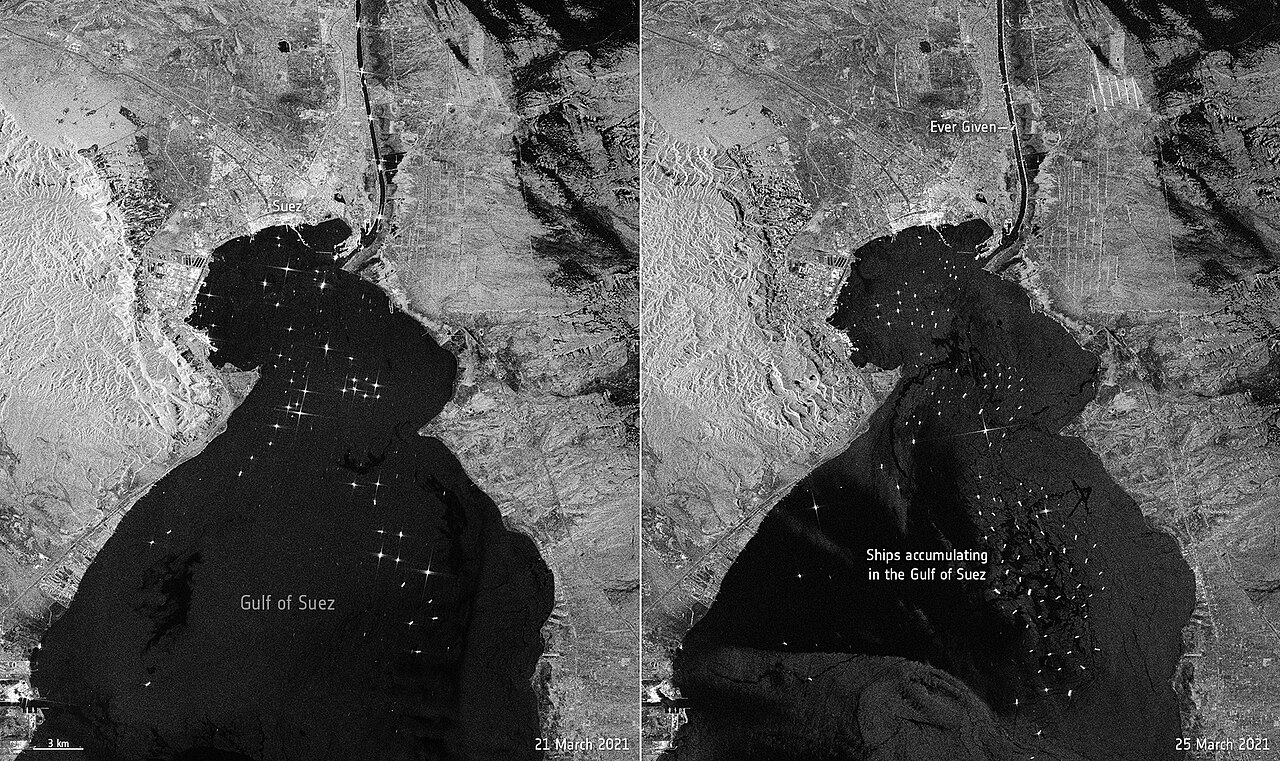
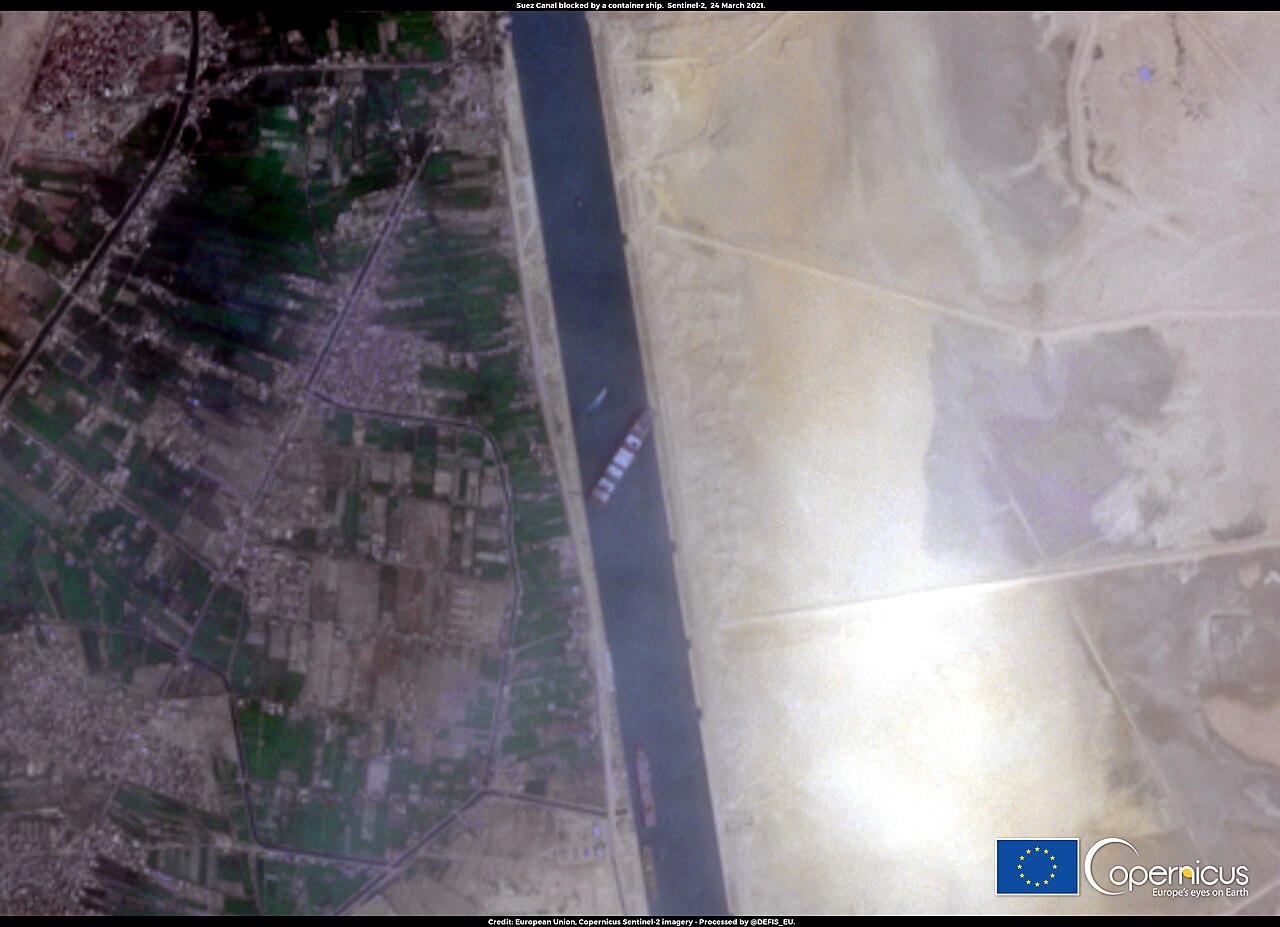
The Suez Canal provides the shortest sea link between Asia and Europe and handles about 12 percent of global trade, making the pace of carriers’ return a closely watched indicator of shipping costs and transit times. A sustained shift back to the canal route would shorten voyage lengths, reduce fuel consumption and effective vessel supply strain built up during the Cape diversion, with knock-on effects for freight rates on the India-Europe and broader Asia-Europe trades.
Why it matters
The ME1 switch signals growing industry confidence in Red Sea security nearly two years after Houthi attacks forced a mass rerouting of global container trade around Africa. Because the Suez Canal offers the shortest Asia-Europe sea link and carries roughly 12 percent of world trade, a broader return by Gemini Cooperation and other alliances would ease vessel supply pressures, shorten transit times and potentially lower freight costs. However, both carriers’ explicit caveat that further changes depend on continued Red Sea stability underscores that the security situation remains fragile and reversible.
Source: Reuters via Baird Maritime