Global ocean container shipping spot rates are forecast to fall 30% in 2027 as capacity returns to the Red Sea and Suez Canal, according to the Xeneta Ocean Outlook Report presented by Chief Analyst Peter Sand at the annual Xeneta Summit in Munich on November 5-6. The forecast was delivered to more than 800 industry leaders representing major shippers and logistics service providers.
The freight analytics platform said fleet growth of 6.8% is set to outpace demand growth of between 2.5% and 4% next year, creating a supply-demand imbalance that could push the global average spot rate down by nearly a third from current levels. Xeneta cautioned, however, that the softening is not guaranteed, citing a pattern of geopolitical shocks that have repeatedly reversed similar predictions in recent years.
Red Sea Return Drives Capacity Surge
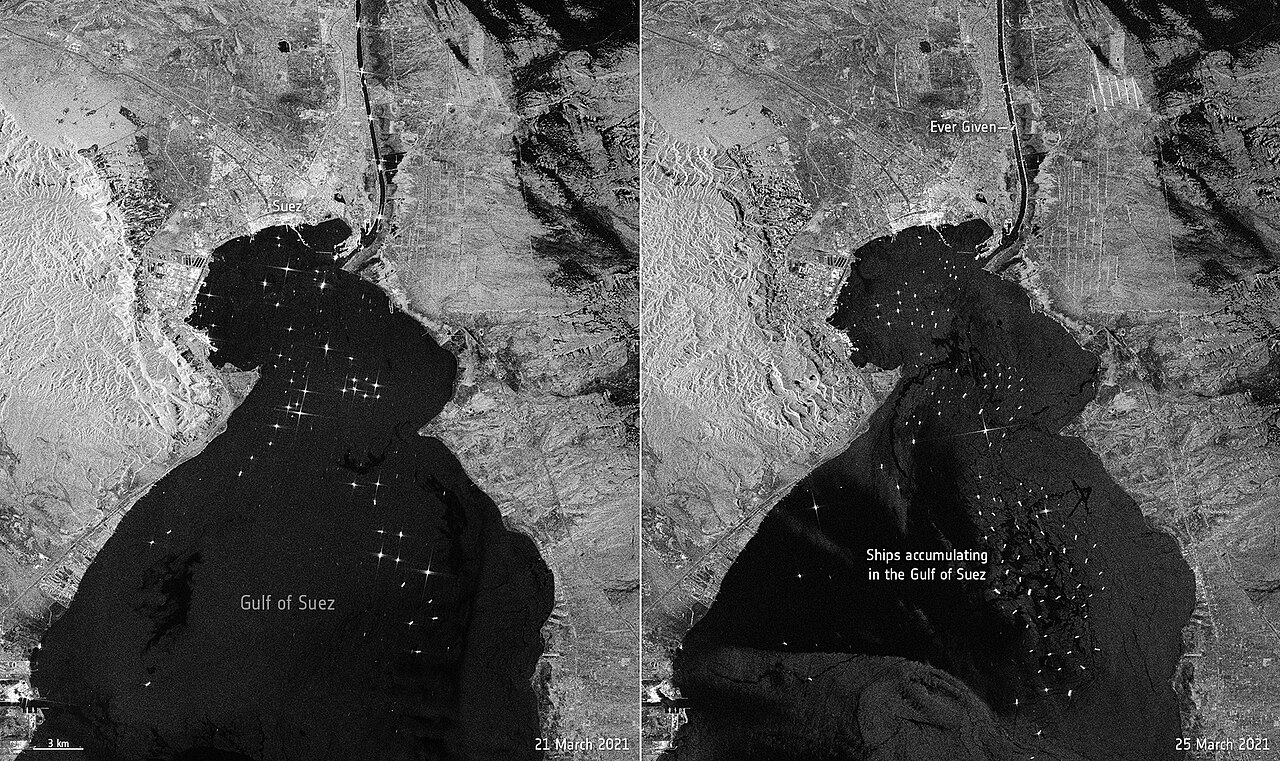
The return of container shipping networks to the Red Sea and Suez Canal is central to Xeneta’s 2027 outlook, following a sharp increase in transiting services in recent months. In October 2026, carriers committed 467,297 TEU of weekly capacity to the Red Sea, which is 50% of the pre-crisis level in August 2023 and roughly double the capacity offered at the end of August 2026.
Xeneta noted that the shift away from longer Cape of Good Hope diversions has already released roughly 600,000 TEU of capacity back into the global fleet. Sand said the Red Sea presents shippers with two possible outcomes for 2027: a full return could cause rates to plummet, while a deterioration in security could force carriers back to the longer African route, bringing network disruption and renewed upward pressure on prices.
Oversupply Meets Weak Schedule Reliability
Xeneta’s report also forecasts a 5% decline in the global average long-term rate for 2027, reflecting the broader capacity glut expected across container trades. The outlook comes against a backdrop of poor schedule reliability through 2026, with global on-time arrivals at just 27% in the third quarter and Far East to Europe reliability collapsing to 4% in September.
Xeneta said a rebound in reliability could occur in early 2027, though from a very low starting point. Analysts at the summit were urged to prepare freight budgets and supply chain contingencies for continued volatility even as headline rate forecasts point downward, given the scale of disruption carriers have managed through blanked sailings and rerouted services over the past year.
Analysts Warn Shocks Could Upend Forecast
Sand told delegates that rates were expected to soften in each of the past three years before seismic shocks reversed the trend, pointing to the Red Sea Crisis in 2024, US tariffs in 2025, and what Xeneta termed the Hormuz Crisis in 2026. He said supply growth will likely outrun demand in 2027, but market fundamentals can easily be overpowered by major supply chain shocks, calling it unwise to rule out similar disruption next year.
Xeneta senior shipping analyst Emily Stausbøll separately noted that the pace of the Red Sea return itself raised questions about what has changed in carriers’ security assessments, warning the shift would have a profound impact on freight rates and services heading into 2027. The caution comes as tensions in the Strait of Hormuz have escalated in recent days, with Iran reporting tanker fires and mine strikes, underscoring the fragility Xeneta flagged in the wider Middle East.
Why it matters
A projected 30% drop in spot rates would significantly ease costs for shippers after years of volatility driven by Red Sea diversions, tariff disputes and Gulf tensions, but it also signals shrinking revenue margins for container lines already managing a growing orderbook. The forecast underscores how closely global freight markets remain tied to a handful of geopolitical flashpoints, with the Red Sea and Strait of Hormuz both capable of reversing the expected oversupply almost overnight. For trade planners and logistics managers, the outlook reinforces the need for flexible contracts and routing contingencies even as headline rate trends point toward relief.
Source: Seatrade Maritime