The US State Department on November 5 announced an expanded round of sanctions against Cuba’s oil shipping network, designating five Cuban-flagged vessels as blocked property and naming eight companies and two individuals accused of supporting the island’s government through petroleum shipments and offshore business networks.
The measures, imposed under Executive Order 14404 signed by President Donald Trump on May 1, 2026, target companies based in Cyprus, Panama and Havana that manage the sanctioned tankers, while the Treasury Department’s Office of Foreign Assets Control separately widened its authority to cover foreign firms operating across Cuba’s marine, manufacturing, electronics and technology sectors.
Vessels and Managers Named
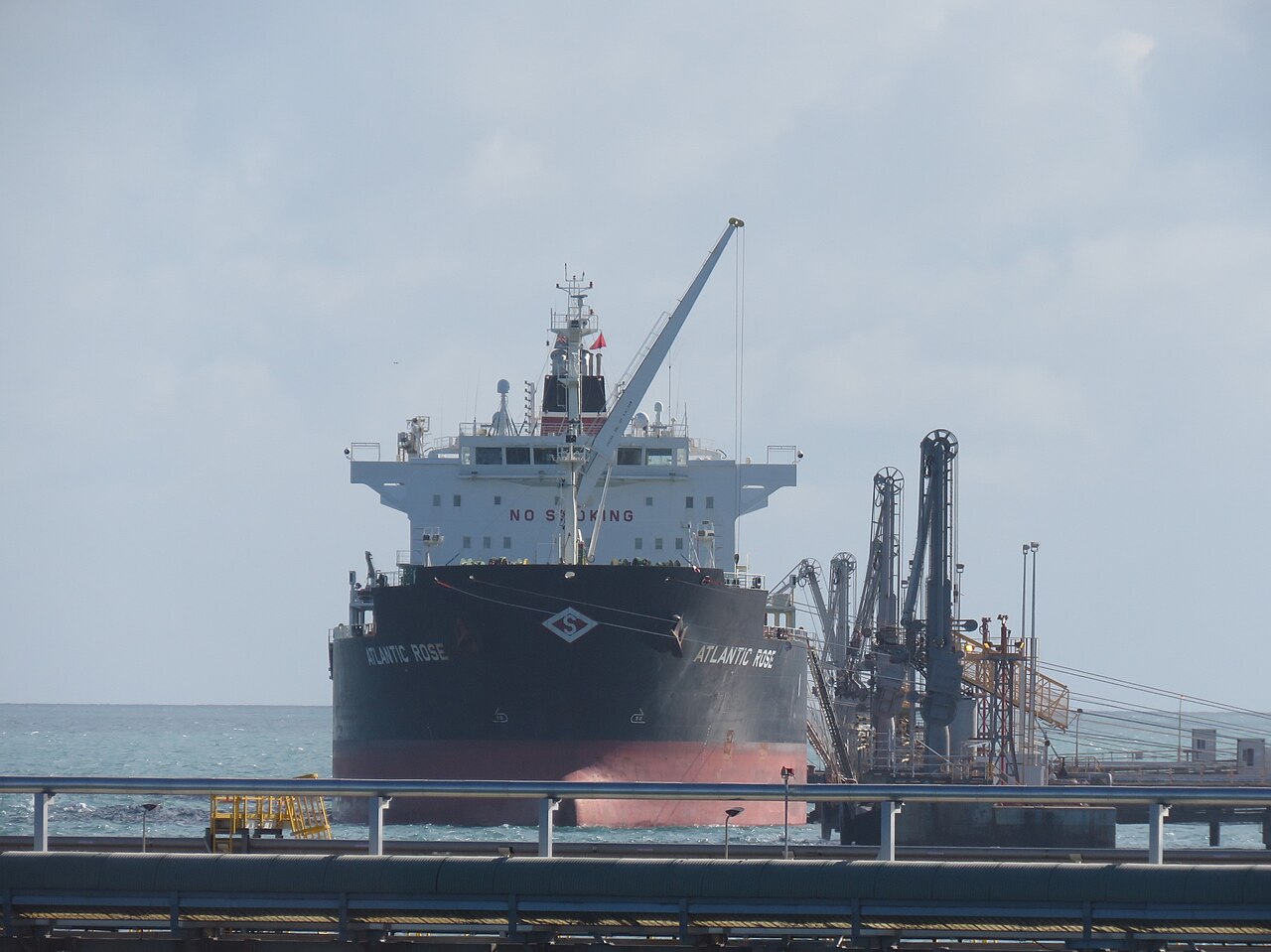
The five Cuban-flagged vessels sanctioned are the tankers Esperanza, Maria Cristina and Gloria C, commercially managed by Cyprus-based Caroil Transport Marine, as well as the gas carrier Emilia and the crude oil tanker Lourdes, operated by the Cuban company Petroleos Maritimos del Caribe S.A., also known as Petromarca. Three of the five vessels were already listed under earlier Venezuela-related sanctions, while Emilia and Gloria C were newly added to the blocked list.
Caroil Transport Marine was first designated by the Treasury in September 2019 for activities tied to Venezuela’s oil sector, and the new action extends its listing to cover ongoing crude transportation for the Cuban government. Washington also named Guillermo Faustino Rodriguez Lopez Calleja, whom the State Department linked to a broad offshore network shipping petroleum products to and from the island, alongside Panama-registered Tentacool Commercial Inc, which owns Gloria C, and Cuban firm Internacional Maritima S.A., owner of Esperanza.
Blanket Sectoral Measures
Alongside the vessel-specific designations, OFAC rolled out broad sectoral sanctions covering Cuba’s maritime industry as a whole, together with its electronics, manufacturing and technology sectors. The finding took effect immediately and could carry greater practical weight than sanctions on individual operators, since it reaches entire segments of the Cuban economy rather than specific companies or ships.
OFAC stated that any foreign person engaging in these designated sectors could become subject to sanctions, significantly raising compliance exposure for international shipping and logistics firms with any dealings touching Cuban ports or vessels. The sanctions generally prohibit US persons from doing business with the named entities, while foreign companies providing services to sanctioned parties also risk being drawn into enforcement action.
Wider Pressure Campaign
The action forms part of a broader push under Executive Order 14404 that simultaneously targets oil transport networks, business elites linked to the Cuban military-run conglomerate GAESA, state entities, and Chinese companies accused of supplying the island’s military. The order, signed earlier this year, has become the legal basis for successive rounds of designations against Havana’s revenue and procurement networks.
The sanctions land as Cuba continues to grapple with chronic fuel shortages and electricity outages, underscoring the importance of imported energy supplies to the island’s economy. Beijing has responded to the broader pressure campaign, according to Cuban state-linked media, though Washington has not altered the scope of the measures in response.
Why it matters
The designations deepen compliance risk for shipowners, charterers and service providers with any exposure to Cuban energy trade, given that OFAC’s sectoral sanctions can reach foreign companies beyond those individually named. The overlap with existing Venezuela-related listings illustrates how Washington is increasingly linking sanctions regimes across Caribbean and Latin American oil networks. For tanker owners and P&I clubs, the action adds another jurisdiction requiring enhanced due diligence alongside Iran- and Russia-related shadow fleet screening already straining compliance teams.
Source: The Maritime Executive