The Panama Canal Authority (ACP) announced on November 9 that it is raising daily transit capacity to 34 vessels and restoring the maximum allowable draft at the Neopanamax locks to 15.24 meters, or 50 feet, citing improved hydrological conditions after a wet October.
The adjustment adds one daily reservation slot for Super-category vessels at the original Panamax locks, lifting that segment’s allocation from 18 to 19 slots, while the Neopanamax locks retain 10 daily slots, bringing total capacity to 24 and 10 respectively across the two lock complexes.
From Drought Restrictions to Recovery
The move marks the latest reversal in a year dominated by concern over water availability in the canal’s watershed. At the low point of restrictions in August, weak rainfall and a strengthening El Niño had forced the authority to cut daily booking capacity to as little as 22 vessels, with the total later held at 32 before this week’s increase to 34.
Rainfall across the canal watershed during the first 29 days of October came in 8.4 percent above the 30-year average and significantly higher than the same period a year earlier, allowing Gatun Lake to recover toward more normal operating levels. The ACP said it will continue monitoring rainfall, watershed conditions and lake levels, with further operational adjustments possible as conditions evolve.
Impact on Scheduling and Draft Limits
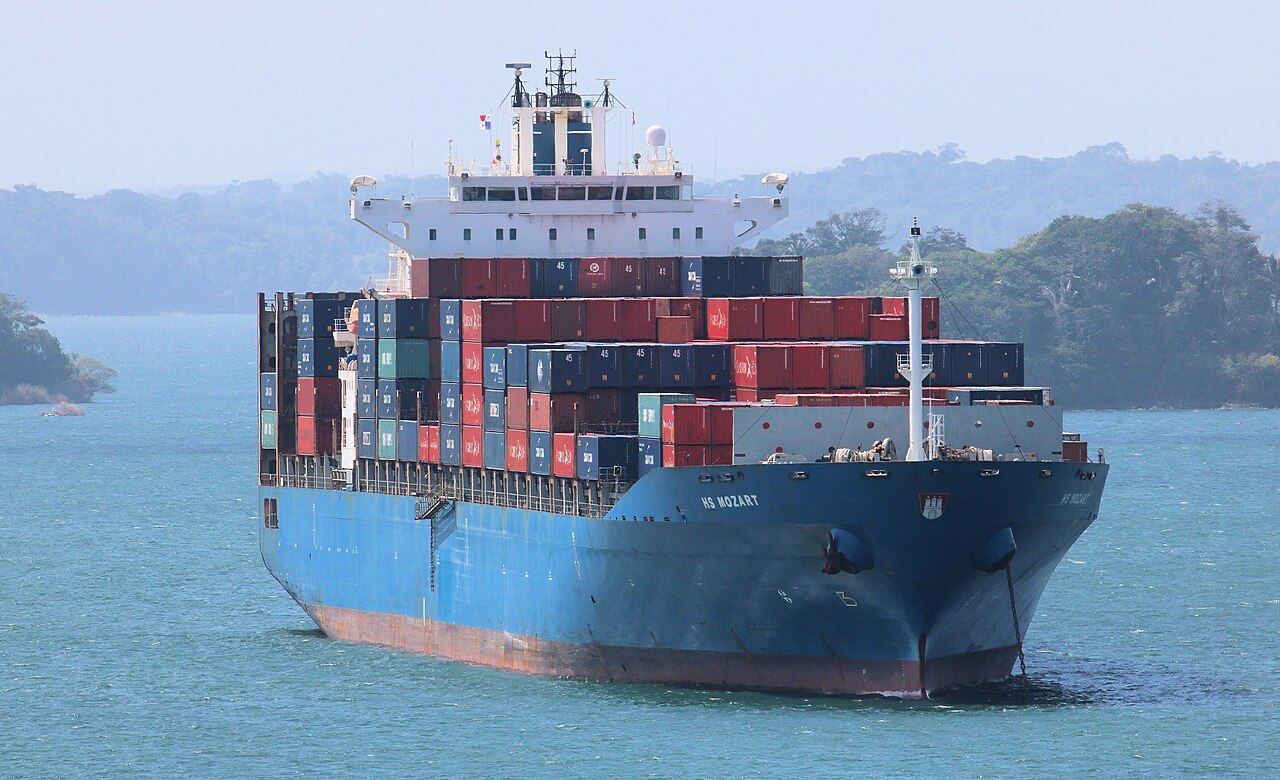
Restoring the Neopanamax draft limit to 50 feet allows larger containerships, LNG carriers and other deep-draft vessels to load closer to full capacity when transiting the canal’s newer locks, reducing the cargo restrictions that carriers absorbed during the drought period. The Transit Reservation System remains the only mechanism guaranteeing a transit date, and the ACP reiterated that vessels arriving without bookings could still face substantial delays.
During the height of the water shortage, competition for guaranteed passage slots reached extraordinary levels, including a reported record auction payment by an LPG carrier for a September transit slot. The gradual restoration of capacity is expected to ease some of that bidding pressure as more reservation slots become available in the coming weeks.
Trade and Market Implications
Agricultural exporters moving grain and other bulk commodities between U.S. Gulf ports and Asian markets are among those expected to benefit most from the added capacity and restored draft allowance, since Panamax and Neopanamax bulk carriers are heavily used on that route. Additional booking availability is set to be phased into the reservation system through November 24 as the authority continues to track watershed conditions.
The canal handled nearly 14,000 transits and roughly 521 million tons of cargo in the last fiscal year, generating about $6.6 billion in revenue, underscoring its weight in global trade flows. Shipping lines and brokers have welcomed the incremental easing, though the ACP’s repeated emphasis on continued monitoring signals that further swings in capacity tied to seasonal rainfall remain possible.
Why it matters
The Panama Canal is one of the world’s principal maritime chokepoints, and fluctuations in its transit capacity and draft limits directly affect scheduling, fuel costs and cargo volumes for containerships, LNG carriers and bulk vessels moving between the Pacific and Atlantic basins. The latest easing signals a partial recovery from the prolonged water-related restrictions that squeezed capacity and drove up transit costs over the past year, offering carriers and shippers improved planning certainty while leaving open the possibility of renewed constraints if rainfall patterns shift again.
Source: gCaptain