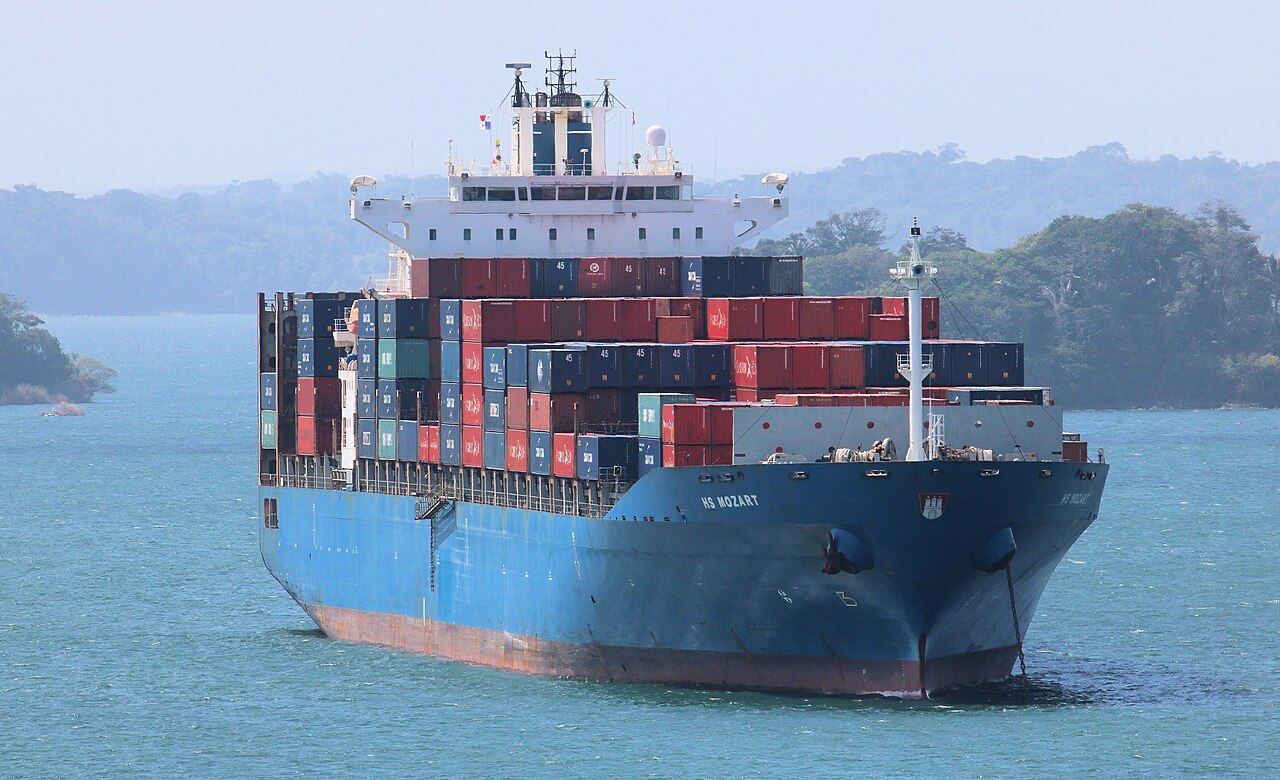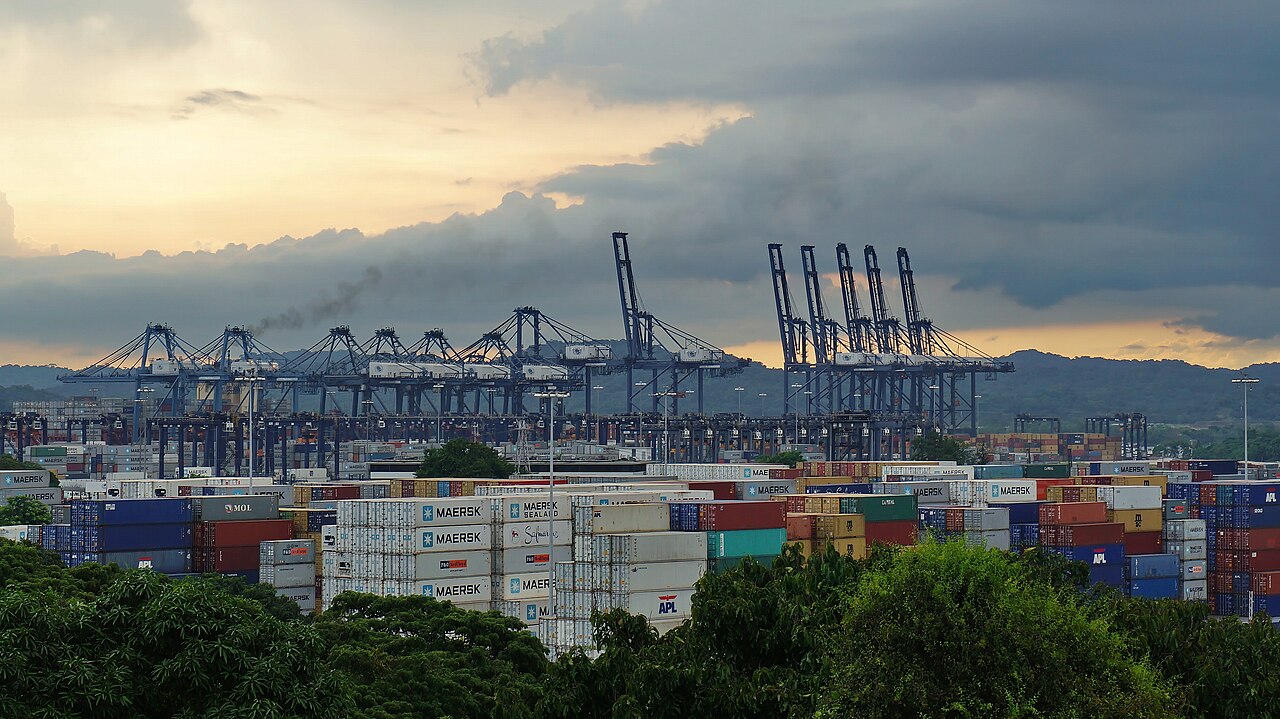

The Panama Canal Authority (ACP) has reinstated the criteria it used before July 2026 for reallocating transit slots that are cancelled or become available during booking periods 1A and 2 at the Neopanamax locks, according to an Advisory to Shipping published this week. The changes took effect immediately upon announcement.
In the same advisory, numbered A-40-2026, the ACP also updated eligibility requirements for vessels transiting the waterway for the first time under its NetZero programme, allowing the preliminary tonnage inspection required for participation to be carried out outside Panama starting November 1, 2026.
Reallocation Priorities Restored
The advisory restores the allocation order that governed cancelled or newly available Neopanamax slots before a mid-2026 revision. Under the reinstated system, available slots during booking periods 1A and 2 are offered through a special allocation process that prioritizes container ships first, followed by liquefied natural gas carriers, liquefied petroleum gas carriers, and then vehicle carriers or roll-on/roll-off vessels. Within each vessel segment, Transit TEU Allowance capacity serves as the primary tiebreaker where applicable.
The reversal follows a series of temporary booking-system modifications the ACP introduced over the summer, including advisories A-28-2026, A-30-2026 and A-31-2026, which had adjusted reservation rules to help preserve available draft during a period of reduced rainfall in the canal watershed. With water conditions easing, the authority has now unwound some of those interim measures, restoring a priority order shippers and liner operators were already familiar with from before the disruption.
NetZero Inspections Streamlined
To participate in the NetZero programme, a vessel making its first transit must undergo a preliminary tonnage inspection conducted by the Panama Canal’s Admeasurement Unit. Under the updated rule, vessel owners, operators or authorized agents may now request that inspection before the ship arrives in canal waters, with the work permitted to take place outside Panama to streamline entry into the programme.
The advance inspection allows the ACP to collect the data needed to calculate tolls, determine vessel tonnage under the Panama Canal Universal Measurement System, identify engine types, and verify other requirements ahead of a vessel’s arrival. Applicants must still submit technical documentation, pay applicable fees, and coordinate arrangements at the vessel’s current port, and the preliminary check does not replace final verification or any additional inspection required before the actual transit.
Recovery From Drought-Era Restrictions
The rule changes arrive as the canal continues to normalize operations following drought-related restrictions tied to El Nino conditions that reduced available draft earlier in 2026. The ACP had already resumed last-minute transit reservations for vessels using the original Panamax locks effective October 21, 2026, as traffic recovered, with a booking programme offering 288 Panamax and 270 Neopanamax slots through competitive allocations scheduled for November.
The Panama Canal reported 4 percent growth in transits for fiscal year 2026, reflecting the gradual easing of capacity constraints that had curtailed throughput in prior years. Restoring predictable, pre-crisis reallocation criteria gives container lines, LNG and LPG carriers, and vehicle-carrier operators clearer visibility into slot availability as the waterway works to rebuild scheduling reliability for its core customer segments.
Why it matters
The Panama Canal remains one of the world’s most consequential maritime choke points, and predictable slot allocation directly affects transit costs and scheduling for container lines, gas carriers and vehicle-carrier operators moving cargo between the Pacific and Atlantic. Restoring pre-drought reallocation rules signals the canal’s operational recovery after years of water-driven capacity limits that forced costly rerouting and auction premiums. The streamlined NetZero inspection process also lowers the administrative barrier for low-carbon vessels to access priority transit treatment, reinforcing the authority’s push to reward energy-efficient newbuildings with faster, more predictable passage.
Source: Seatrade Maritime News