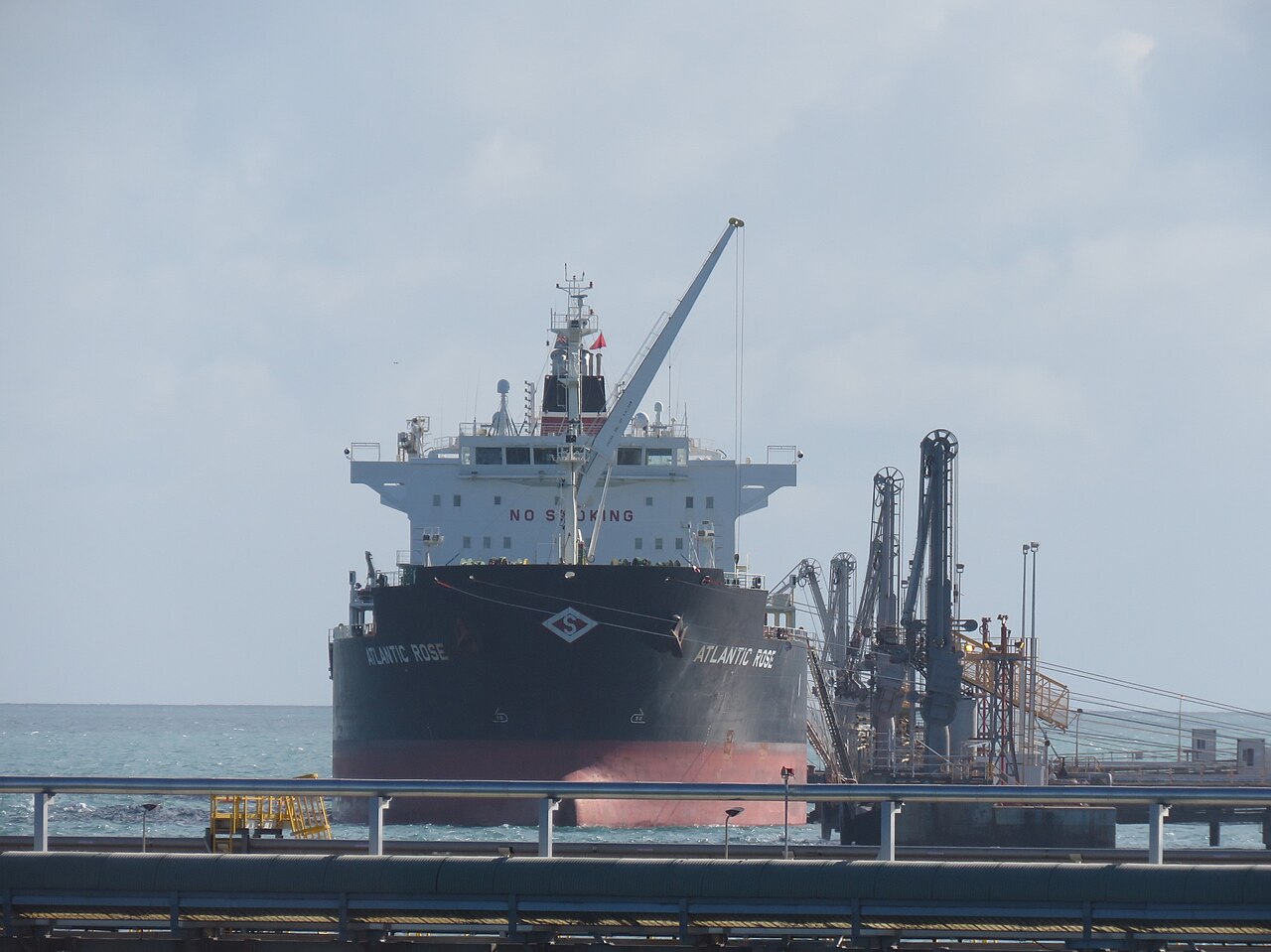
A tanker carrying the first cargo of Russian diesel destined for the United States has made a U-turn roughly 400 nautical miles off New York, deepening uncertainty over whether any Russian fuel will reach American shores despite a temporary federal waiver permitting the trade.
The vessel, the Agioi Fanendes, had signaled New York after departing Russia’s Baltic port of Primorsk in late October before switching its listed destination to “for orders” and beginning a zigzag pattern in the Atlantic since Monday, according to ship-tracking data. Its manager, Eastern Mediterranean Maritime Ltd., said the discharge port had still not been confirmed.
A Waiver Collides With a Standing Import Ban
The tanker’s movements follow President Donald Trump’s decision last month to temporarily authorize transactions involving Russian diesel that would ordinarily fall under U.S. sanctions, a move framed as an effort to ease domestic fuel costs. The waiver sits awkwardly alongside a separate federal prohibition dating to 2022 that bars imports of Russian-origin fuel, creating legal ambiguity for any company that might handle the cargo.
New Jersey Governor Mikie Sherrill moved to close that ambiguity on her state’s turf, sending letters on November 2 to a dozen port and terminal operators, including IMTT, Kinder Morgan and Phillips 66, warning them to turn away any tanker carrying Russian diesel or face civil and criminal penalties. The letters covered facilities in Perth Amboy, Bayonne, Linden, Carteret, Port Reading and Sewaren, though terminals run directly by the Port Authority of New York and New Jersey were not included because they handle cargo rather than petroleum products.
Vessel Tracking Shows a Cargo Without a Home
The Agioi Fanendes is carrying about 40,000 metric tons of ultralow-sulfur diesel, nearly 300,000 barrels, and had been expected to arrive in the United States around November 7, days after the midterm elections. Instead it has lingered in the North Atlantic, moving at roughly 10 knots before reversing course away from the coast, according to Bloomberg-compiled tracking data.
Eastern Mediterranean Maritime has repeated to reporters that the ship is still proceeding for orders because the discharging port has not been finalized. A second tanker among four reportedly dispatched toward the United States with Russian diesel was tracked off the east coast of the British Isles, suggesting operators across the small fleet are weighing alternative buyers rather than risk a U.S. landing.
Political Pressure and Market Reaction
Dozens of U.S. senators, including six Republicans, have urged Trump to rescind the diesel arrangement, arguing it helps finance Russia’s war effort against Ukraine without offering a clear benefit to American consumers. Energy Secretary Chris Wright said he remained confident the idled cargo would still find its way into global markets even if it never discharges at a U.S. port.
Kremlin spokesman Dmitry Peskov said he lacked details on the specific commercial shipments but maintained that all the diesel would find its buyers. The episode comes as Ukrainian strikes have hit multiple Russian refineries since the start of November, tightening the domestic processing capacity that has historically freed up diesel for export markets.
Why it matters
The standoff illustrates how conflicting federal and state positions on Russian energy sanctions can leave tanker operators and cargo owners without a clear legal path to discharge, forcing costly delays and course reversals. For charterers and port terminal operators, the episode underscores heightened compliance risk when a presidential waiver appears to clash with existing statutory import bans. It also signals that political opposition at the state level can effectively deter cargoes even when federal authorization exists, adding a new layer of uncertainty to US fuel import flows tied to sanctioned-origin crude and products.
Source: gCaptain (Bloomberg)