This week’s headlines were dominated by violence against commercial shipping across two separate conflict zones. In the Persian Gulf and Strait of Hormuz, a seafarer was killed when an aerial object struck the Indian-flagged MSV Al Jusufi off Oman, and another died in a suspected missile strike on the Greek-managed tanker Velos Sapphire, while US Central Command disabled yet another merchant vessel and stood up a new task force to choke off Iran’s land and sea trade routes. In the Black Sea, NATO confirmed that Russian naval drones sank the Greek-managed container ship Contship Jet off Bulgaria, prompting Greek Prime Minister Kyriakos Mitsotakis to use a UN Security Council session to call for a shipping truce even as he clashed publicly with Turkey over a revived maritime boundary dispute.
Away from the frontlines, the industry’s broader recovery continued: major container lines pressed ahead with a return to the Suez Canal, the Panama Canal normalized its booking rules after a drought-driven disruption, and analysts forecast a sharp drop in freight rates for 2027. Port operators meanwhile faced labor unrest in Chile and California even as they poured fresh capital into terminals from Ecuador to Rotterdam, while Greek shipowners continued to dominate tanker newbuilding and maritime education funding.
Violence Escalates in the Gulf and the Black Sea
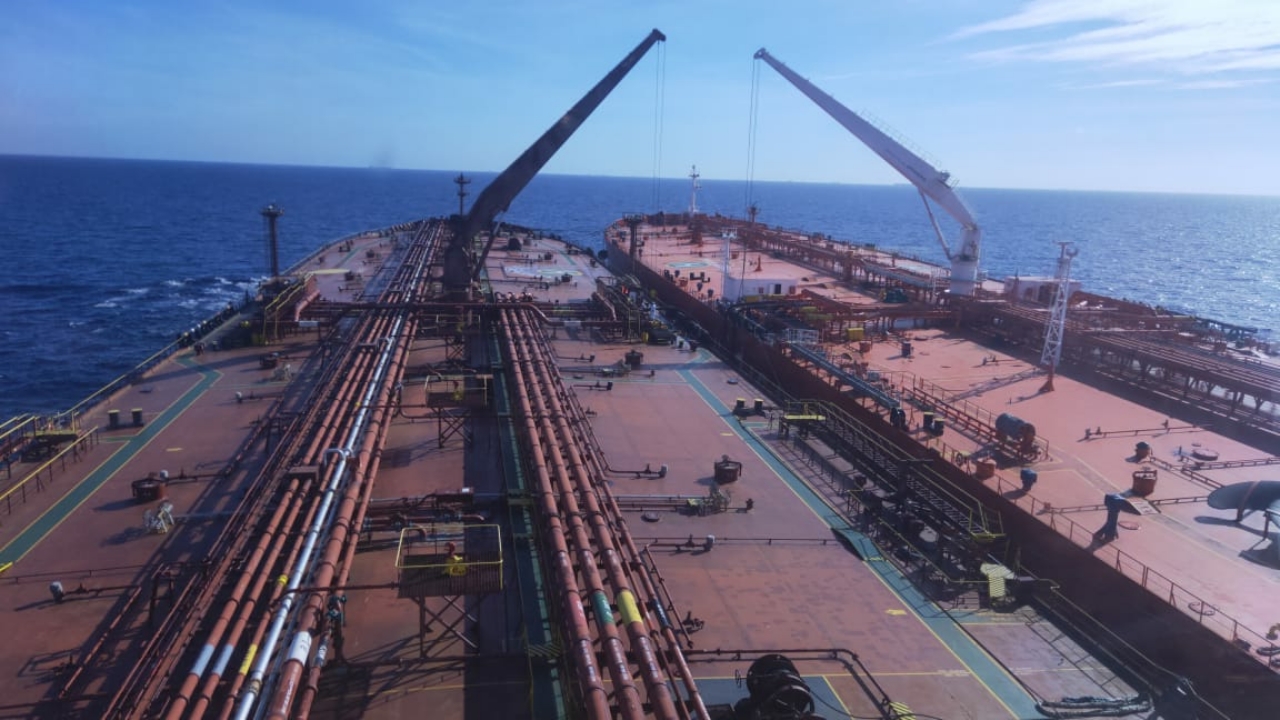
The Gulf region recorded two fatal attacks on commercial vessels within days of each other. The Indian-flagged MSV Al Jusufi was struck by an unidentified aerial object off Oman on November 2, killing one Indian seafarer, while the Greek-managed tanker Velos Sapphire was hit by a suspected missile strike in the Persian Gulf as it sailed unladen toward Bahrain, killing a crew member. Both incidents occurred against a backdrop in which the Strait of Hormuz has been operating at a fraction of its normal transit volume.
Washington widened its enforcement campaign in parallel. CENTCOM disabled the cargo vessel Huda in the Gulf of Oman and stood up Task Force Iron Gate to target Iran’s overland and Caspian Sea trade routes, while the Treasury sanctioned an India-based network accused of running fraudulent ship registries that let Iran’s shadow fleet sail under false flags. A separate round of US measures expanded sanctions on Cuba’s oil shipping network, underlining how sanctions enforcement against sanctioned petroleum trades is intensifying across multiple theaters at once.
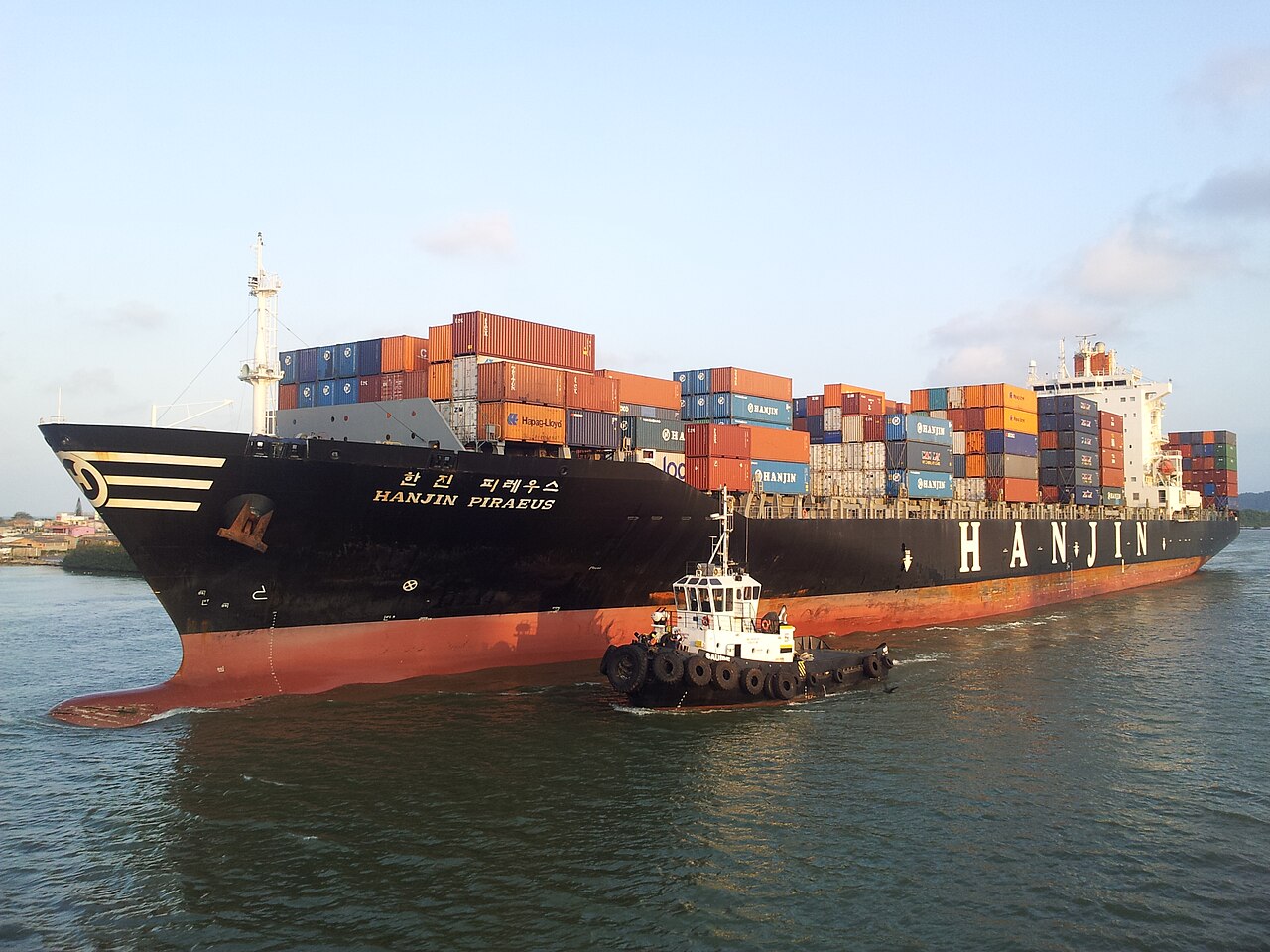
In the Black Sea, NATO intelligence confirmed that Russian sea drones sank the Greek-managed Contship Jet off Bulgaria, the fifth drone strike recorded in Bulgarian waters in October alone. The sinking fed directly into Mitsotakis’s appeal at the UN Security Council for a shipping truce to protect Black Sea trade, a session that also saw the Greek premier publicly reject a revived Turkey-Libya maritime boundary agreement, illustrating how security and territorial disputes in the Eastern Mediterranean and Black Sea are now intertwined.
Suez and Panama Signal a Cautious Return to Normal
Container lines took another step back toward pre-crisis routing. Maersk and Hapag-Lloyd confirmed their joint India-Europe ME1 service will resume transiting the Suez Canal from mid-November, extending a phased return that both carriers say could be complete for their wider Asia-Europe network by March 2027, contingent on continued Red Sea stability.
The shift is already visible in the numbers. Piraeus Port Authority reported lower nine-month profit as container and cruise volumes fell, but flagged a third-quarter rebound at its Pier I terminal and said it expects Suez transits to be fully restored by May 2027. Further south, the Panama Canal reinstated its pre-drought slot-reallocation rules and eased entry into its NetZero programme, evidence that the waterway’s own recovery from El Nino-driven restrictions is progressing in step with the Red Sea’s gradual reopening.
Pulling the threads together, Xeneta forecast a 30% drop in global container spot rates for 2027 as fleet growth outpaces demand and Red Sea capacity returns, though its analysts cautioned that the Strait of Hormuz crisis and other shocks have reversed similar predictions before. Together, the three stories suggest an industry cautiously pricing in normalization while hedging against the same geopolitical risks dominating this week’s security headlines.
Ports Invest Even as Labor Disputes Flare
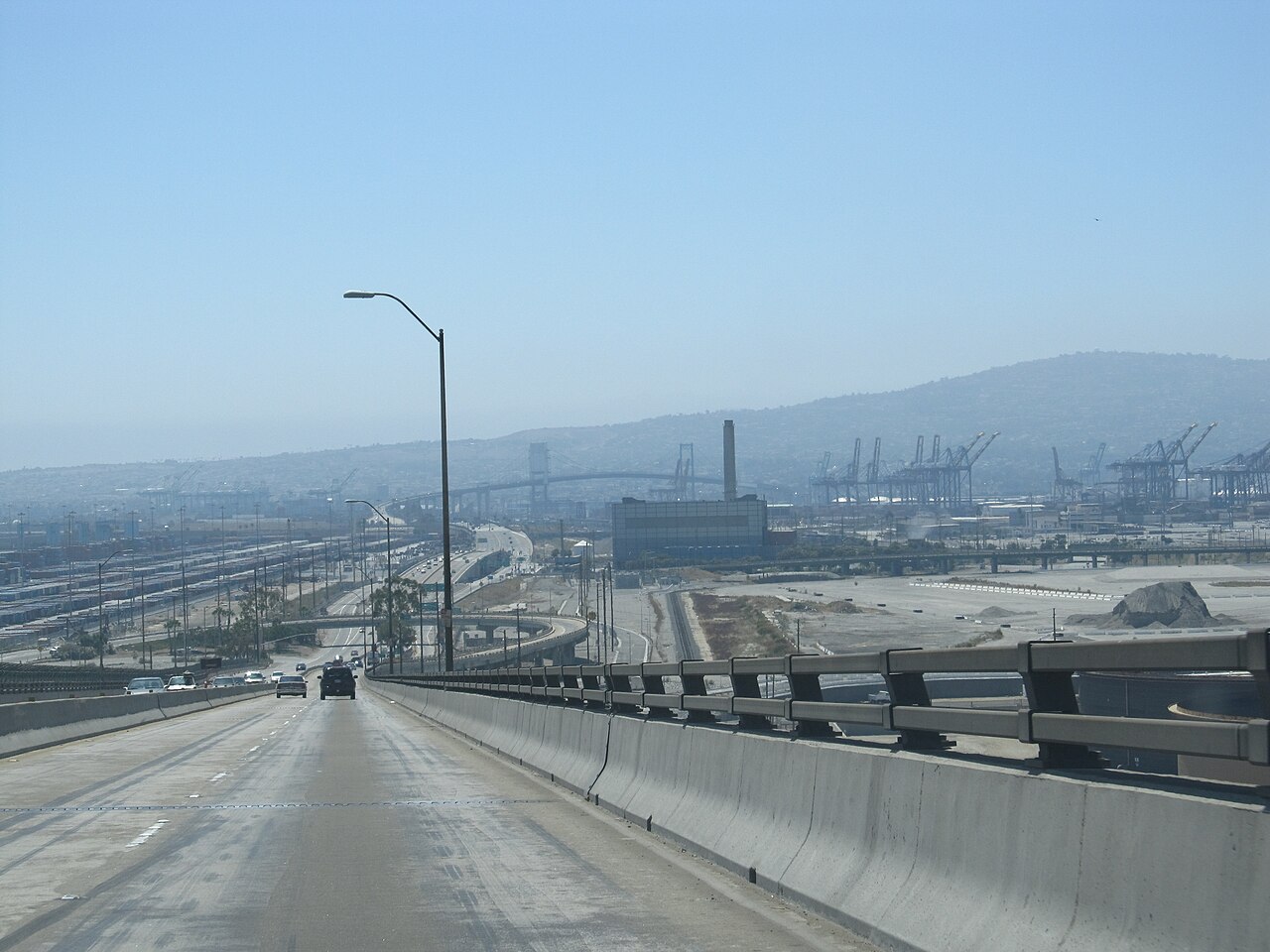
Landside disruption hit two of the hemisphere’s busiest gateways. In Chile, independent truckers blockaded the port of San Antonio over fuel costs and planned tolls, halting nearly all cargo movement and threatening to spread to other ports. In the United States, a threatened strike by Los Angeles-Long Beach watchmen was pushed to a Friday deadline with federal mediators involved, a dispute whose outsized leverage stems from other dockworkers honoring the small union’s picket lines.
Terminal investment nonetheless continued apace. DP World completed a $200 million berth expansion at Ecuador’s Posorja port to accommodate ultra-large vessels, while in Panama, Maersk’s APM Terminals signaled it wants to keep managing the Port of Balboa beyond its interim contract, setting up competition for a long-term concession after CK Hutchison’s ouster. In Rotterdam, Hapag-Lloyd completed a 25% stake purchase in Maersk’s Maasvlakte II terminal, deepening the carriers’ Gemini Cooperation alliance into shared infrastructure.
Greek Capital and Fleet Renewal Lead the Agenda
Greek owners again set the pace in newbuilding. Piraeus-based Venergy Maritime doubled its VLCC order at China’s Hengli Heavy Industries to four ships, part of a wider Greek tanker-contracting surge, while DNV reported a 57% jump in alternative-fuelled vessel orders for 2026, with LNG dual-fuel propulsion continuing to dominate contracting even as methanol and ammonia bunkering infrastructure lags.
Greek capital also extended into education and social policy. Shipowner Vangelis Marinakis funded a new STEM teaching facility at the Massachusetts Maritime Academy, while Athens prepared a bunker-fuel subsidy for domestic ferry operators to limit fare increases on island routes.
At the regulatory level, the IMO Council backed a second term for Secretary-General Arsenio Dominguez, giving continuity to an organization still struggling to finalize its stalled Net-Zero Framework amid the same security crises dominating this week’s news.
What to watch next week
Next week will show whether the Los Angeles-Long Beach watchmen dispute and Chile’s San Antonio blockade are resolved or escalate further, with both carrying the potential to disrupt cargo flows into the holiday season. In the Gulf and the Black Sea, further attacks on tankers and container ships would test whether NATO’s pledged counter-drone investment and Washington’s expanding sanctions and blockade enforcement can actually curb the violence, while the pace of carriers’ return to the Suez Canal, and whether it holds through any new security shock, will be a key signal for the freight rate declines analysts are now forecasting for 2027.