Independent truckers in San Antonio, Chile’s busiest port, have maintained an indefinite blockade of container depots and terminal access roads since the night of October 28, halting nearly all cargo movement through the facility. The stoppage, led by the Agrupación de Camioneros Independientes de San Antonio (Agreporsai), has shut access to extraportuary depots including Sitrans, Agunsa and D&C, as well as to the San Antonio Terminal Internacional (STI) and the DP World-operated terminal.
More than 150 truckers mobilized in the initial action, with union leaders saying hundreds of containers were affected overnight and that no cargo was entering or leaving the port complex. The protest is the first major truckers’ work stoppage registered since President Jose Antonio Kast took office, and union leaders have warned it could spread to other Chilean ports if the government and cargo-generating companies fail to respond to their demands.
Blockade Halts Chile’s Busiest Container Gateway
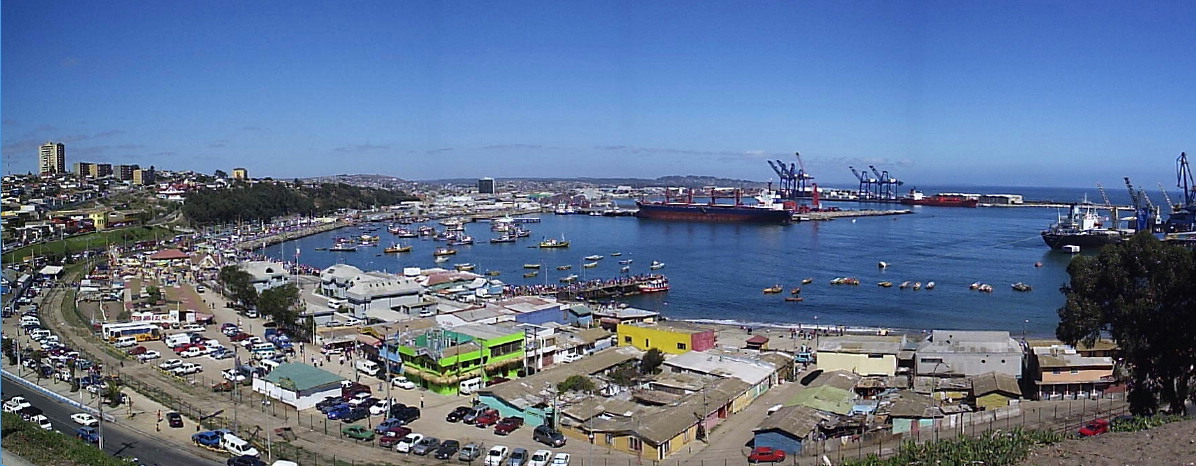
San Antonio, located in the Valparaiso region, is Chile’s principal port and a key gateway for the country’s containerized export trade, including fruit, wine and other agricultural cargo bound for North America and Asia. The blockade began at 2300 local time on October 28 and was called indefinite by Agreporsai, whose president, Manuel Araya, said no containers were moving in or out of the terminals the union targeted.
Union estimates put the number of blocked containers at roughly 200 to 600 depending on the day, with trucks unable to reach distribution centers and cargo-generating companies across the region. The action affects both off-dock container depots and direct access to the port’s two main terminal operators, effectively freezing landside logistics even where vessel operations at the berths themselves continued.
Fuel Prices, Frozen Rates and New Tolls Drive Dispute
Truckers say the stoppage was triggered by a combination of rising diesel prices, freight rates that have not been adjusted to reflect higher operating costs, and planned new toll charges on Route 78, the highway connecting Santiago to San Antonio. Agreporsai has demanded that cargo-generating companies revise their tariffs and that the government intervene directly rather than continue informal talks.
A meeting held on October 29 between union representatives, San Antonio’s provincial delegate Soledad Loyola and a deputy secretary of transport, who participated remotely, failed to end the blockade. Chile’s deputy secretary of economy characterized the dispute as a matter between private companies but said the government had committed to mediating dialogue among the seven firms operating in the port. The National Confederation of Truck Owners of Chile (CNDC) issued a statement of solidarity with the San Antonio truckers, urging authorities and cargo generators to negotiate tariff terms.
Threat of Wider Port Disruption
Agreporsai leaders have not ruled out extending blockades to other Chilean ports if the government and private operators fail to respond to their demands, raising the risk of broader disruption to the country’s export logistics chain. Chile’s port system is a critical node for South American Pacific coast trade, and a prolonged shutdown at San Antonio could delay shipments of copper, fruit and other key exports during a seasonally active period for agricultural cargo.
As of the most recent reports, the blockade remained in effect with no resolution reached between the truckers’ association, port terminal operators and national authorities. Shipping lines and terminal operators at San Antonio, including DP World and STI, have not issued public statements on contingency measures, and the extent of vessel delays or diversions caused by the landside blockade had not been quantified.
Why it matters
San Antonio handles the bulk of Chile’s containerized trade, and a prolonged blockade threatens to delay copper, fruit and wine exports during a critical shipping window, with knock-on effects for carriers and shippers serving the South American Pacific coast. The dispute also tests the new Kast government’s handling of labor unrest in strategic infrastructure, and its outcome could influence whether similar fuel-cost and tariff disputes spread to other Chilean ports. For global supply chains, any extended closure at one of the region’s busiest gateways adds pressure to already strained logistics networks heading into the fourth quarter.
Source: 24 Horas