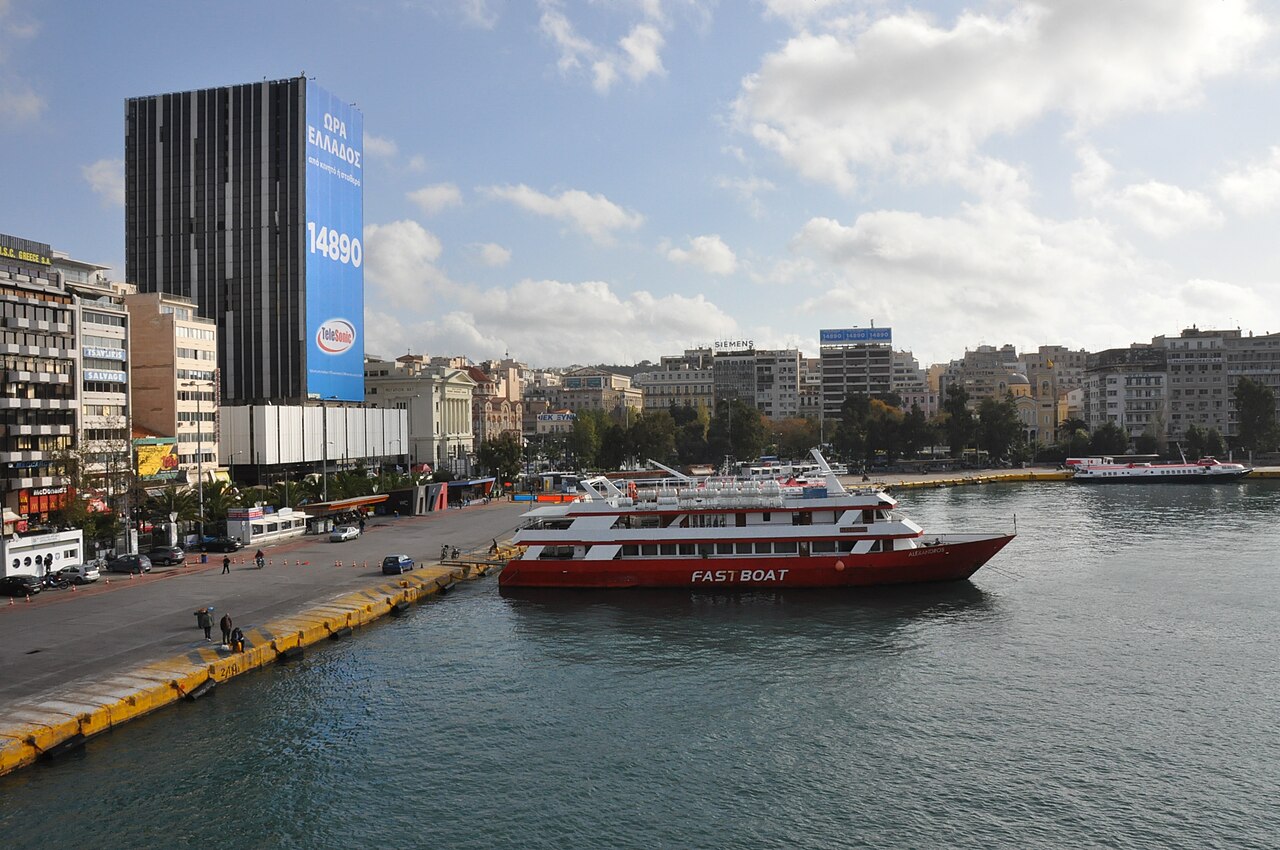
Greece’s Piraeus Port Authority (PPA) reported lower revenue and profit for the first nine months of 2026, citing reduced container and cruise activity, though the company said container handling showed signs of recovery in the third quarter. The results, published on November 3, showed nine-month revenue falling 8.2 percent year-on-year to 178.8 million euros, while net profit declined 21.5 percent to 59.7 million euros.
The decline was driven chiefly by a sharp drop in traffic at Pier I, the container terminal still operated directly by PPA, as well as a reduction in cruise ship calls linked to disruption in the Middle East. The Athens-listed port operator, majority owned by China’s COSCO Shipping, said it expected container volumes to recover further as traffic through the Suez Canal gradually resumes, with full restoration projected by May 2027.
Pier I Volumes Slide, Third Quarter Turns Positive
Container handling at Pier I fell 27.8 percent year-on-year over the first nine months of 2026, with throughput dropping to 394,338 TEUs from 546,399 TEUs a year earlier. Local container volumes, which reflect cargo destined for or originating in the Greek market rather than transshipment, fell by 34.1 percent to 131,799 TEUs, underscoring the severity of the slowdown at the terminal PPA operates directly.
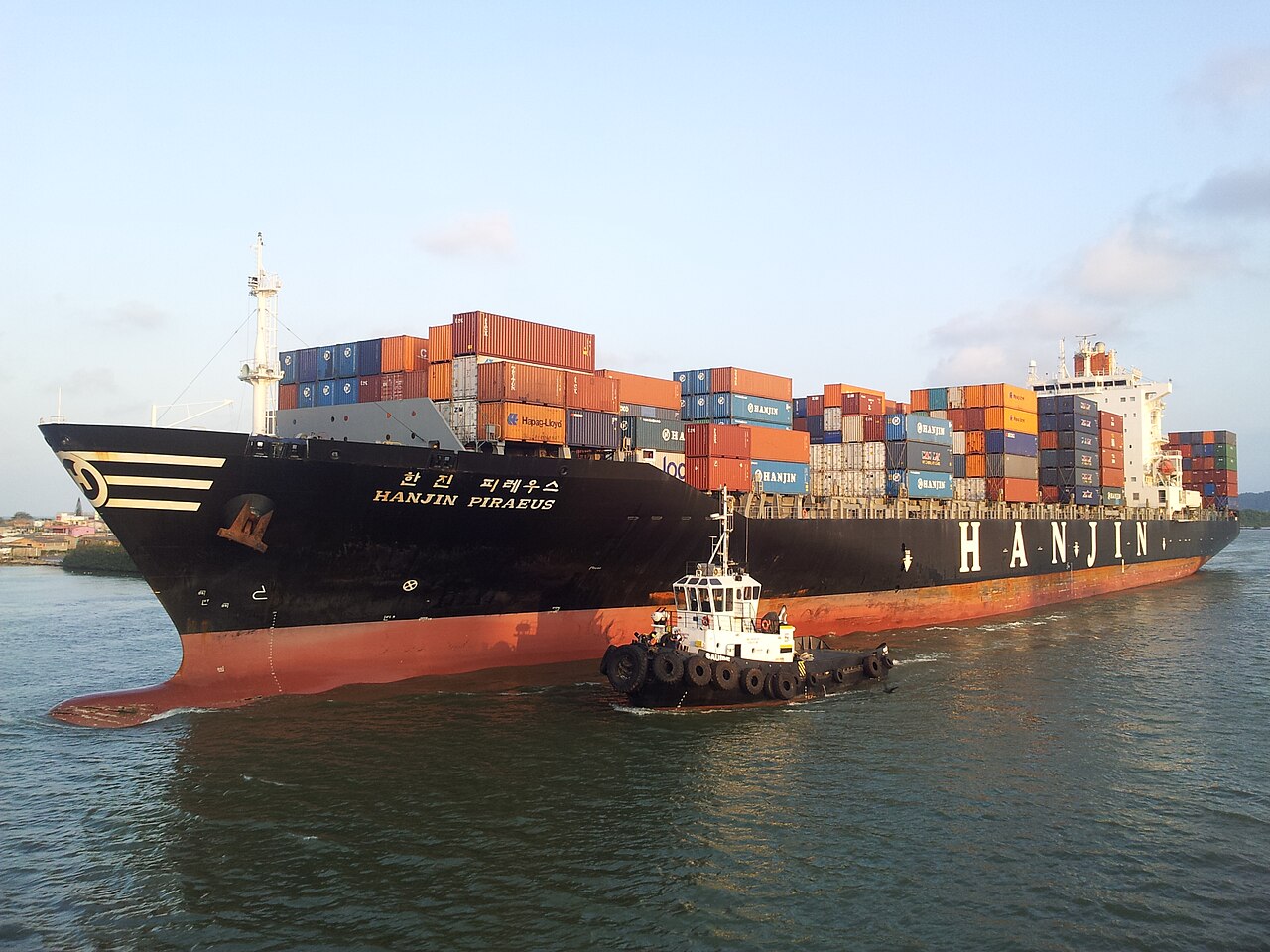
The third quarter nonetheless marked a turning point, with Pier I throughput rising 0.3 percent compared with the same period of 2025, the terminal’s first positive quarterly performance of the year. PPA attributed the improvement partly to revised handling agreements with Piraeus Container Terminal, the COSCO-operated facility at Piers II and III, which took retroactive effect from July and included updated tariffs and volumes. During October alone, Pier I handled five additional containerships and 7,843 TEUs under the new arrangement.
Cruise Sector and Overall Financials
The cruise segment also weighed on results, with 584 ship arrivals recorded in the nine months, down 16.3 percent from 698 a year earlier. Passenger numbers fell 19 percent to 1.3 million, a decline PPA linked to Middle East-related disruption affecting itinerary planning and regional tourism flows.
Despite the weaker top-line performance, PPA accelerated its capital spending, investing 126.6 million euros during the nine-month period, an increase of 84.5 percent compared with the previous year. The investment drive includes ongoing works at Pier I intended to expand storage capacity and improve productivity once completed, positioning the terminal to handle higher volumes as shipping lines restore Suez Canal routings.
COSCO’s Wider Mediterranean Strategy
Piraeus Container Terminal, the COSCO-operated facility at Piers II and III, performed more strongly over the same period, with throughput reaching 3,085,434 TEUs in the first nine months, up 1.7 percent from 3,033,606 TEUs a year earlier. COSCO Shipping Ports has identified Piraeus as one of several hub ports, alongside facilities in Wuhan, Abu Dhabi and Chancay, where it intends to strengthen operational capacity by attracting new shipping services and additional calls.
PPA said the return of containerships to the Suez Canal was becoming more established in the fourth quarter and that it expects transits to increase over coming months, with traffic potentially recovering fully by May 2027. That timeline would mark the end of a prolonged disruption that had pushed many vessels onto longer routes around the Cape of Good Hope, reshaping Mediterranean port calls throughout much of 2026.
Why it matters
Piraeus is one of the busiest container and cruise hubs in the Mediterranean and a key gateway for COSCO’s European operations, making its financial performance a bellwether for broader shipping flows through the Suez Canal corridor. The nine-month results illustrate how Middle East-related disruption has continued to reshape container and cruise traffic patterns well into 2026, even as early signs of recovery emerge. A full restoration of Suez transits by mid-2027, as PPA anticipates, would have significant implications for freight routing costs and transit times between Asia and Europe.
Source: Reuters via Baird Maritime