Classification society DNV reported on November 3, 2026, that shipowners ordered 53 alternative-fuelled vessels in October, bringing the year-to-date total to 364 newbuildings, a 57% increase over the same ten-month period in 2025. The data, drawn from DNV’s Alternative Fuels Insight platform, shows LNG dual-fuel propulsion continuing to dominate the orderbook, accounting for 230 of the 364 vessels contracted so far this year.
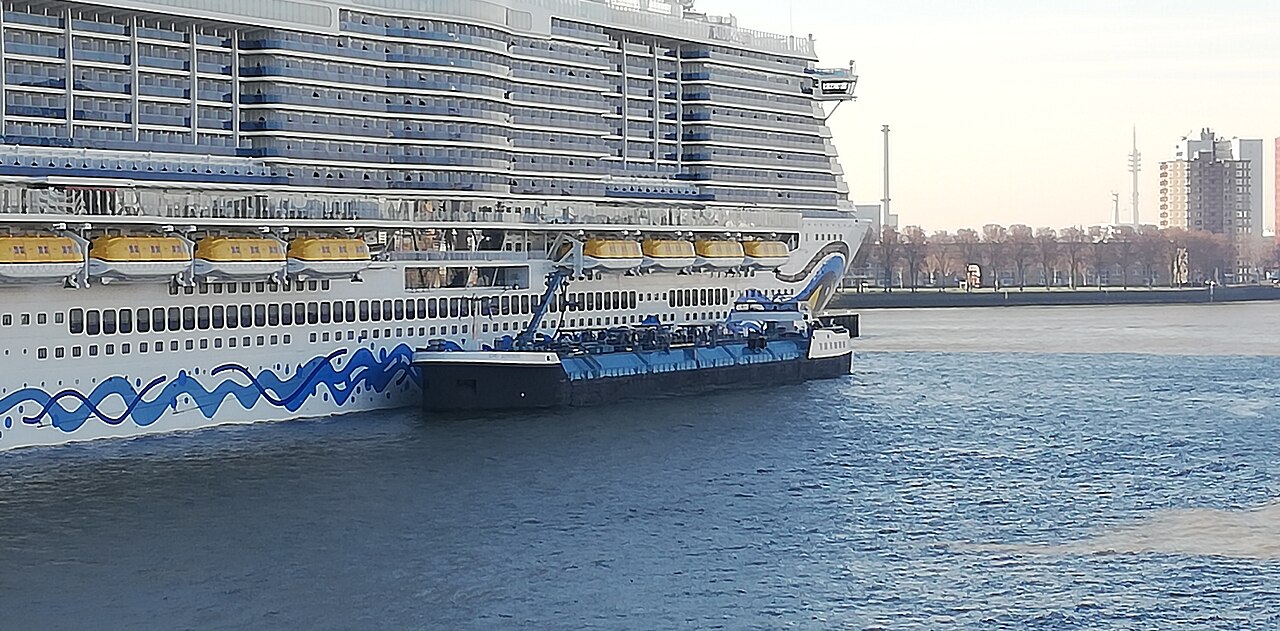
The October figures were led by containerships and car carriers, the two segments that together account for the bulk of LNG-fuelled contracting in 2026. Separately, classification society Lloyd’s Register flagged concerns about bunkering infrastructure keeping pace with the fleet, noting that while hundreds of methanol- and ammonia-capable vessels are now on order, actual refuelling capability at ports remains limited.
October Orders Led by Containerships, Car Carriers
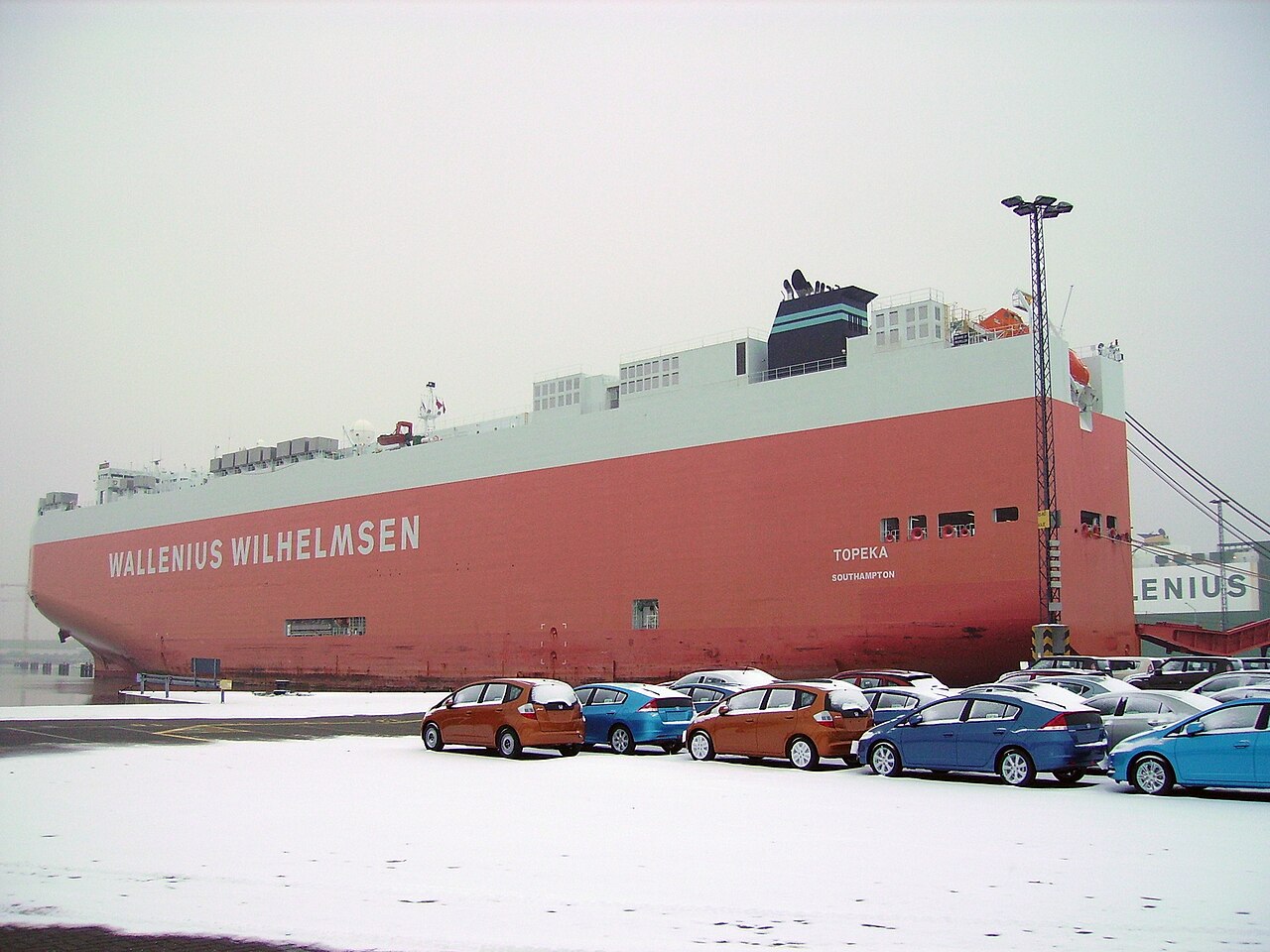
DNV’s October count of 53 alternative-fuelled orders included 30 vessels powered by LNG, comprising 18 containerships and 12 car carriers, according to the AFI platform. A further 19 orders were placed for LPG-fuelled carriers during the month, while four ammonia-fuelled car carriers were also added to DNV’s database.
Jason Stefanatos, Global Decarbonization Director at DNV Maritime, said October’s figures extended a pattern of strong contracting activity seen since the summer, with LNG orders remaining heavily concentrated in container ships and car carriers. He noted that together these two segments account for almost nine in ten LNG-fuelled orders placed this year, reflecting the role of consumer-facing trades in driving fuel-switching decisions.
LNG Extends Lead Over Methanol and Ammonia
LNG has accounted for 230 of the 364 alternative-fuel orders placed in the first ten months of 2026, roughly 63% of the total, with LPG-fuelled vessels making up a further 103 contracts. Containerships lead the LNG segment with orders this year, followed by car carriers, with the two vessel types together representing more than 90% of LNG-fuelled newbuild activity in 2026.
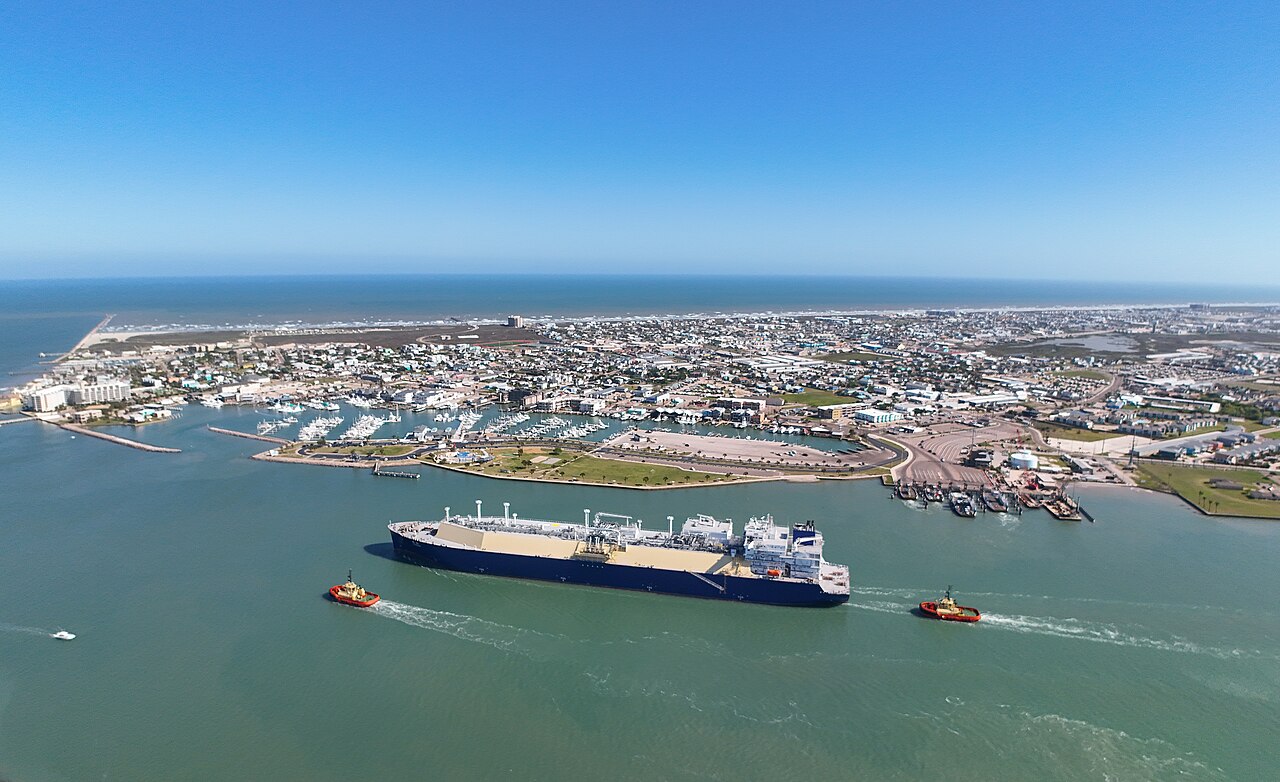
Stefanatos attributed LNG’s continued dominance partly to the fuel’s more mature infrastructure and supply chain compared with alternatives, including a growing fleet of dedicated LNG bunker vessels. By contrast, methanol and ammonia orders have remained a small fraction of the total, a reversal from periods earlier in the decade when methanol appeared to be closing the gap with LNG in newbuild popularity.
Bunkering Infrastructure Lags Orderbook Growth
Lloyd’s Register separately identified 385 methanol-capable and 45 ammonia-capable vessels on order globally, but cautioned that supporting shore-side infrastructure has not kept pace. The classification society found that only 25 ports worldwide currently offer methanol bunkering services, while commercial ammonia bunkering has taken place at just a single port to date.
The infrastructure gap raises operational questions for owners committing to methanol- or ammonia-fuelled newbuilds in the years ahead, even as LNG bunkering networks continue to expand in step with that fuel’s larger operating fleet. Industry analysts have pointed to the mismatch as a factor likely to keep LNG as the default transitional fuel choice for owners seeking near-term compliance with tightening emissions rules.
Why it matters
The data underscores how shipowners are converging on LNG dual-fuel propulsion as the most commercially viable near-term option for complying with tightening International Maritime Organization emissions rules, even as alternative fuels like methanol and ammonia remain constrained by limited bunkering infrastructure. The concentration of orders in containerships and car carriers signals that consumer-facing trades are moving fastest on fuel transition, with implications for shipyard capacity, fuel supply chains, and the pace of the broader industry’s decarbonization timeline.
Source: Seatrade Maritime News