Norwegian shipping and logistics group Wallenius Wilhelmsen announced an agreement with China’s Jinling Shipyard in Jiangsu for four new LNG dual-fuel pure car and truck carriers, with deliveries beginning in mid-2030. The contract also includes options for eight additional vessels, which could expand the order to 12 ships and push total capital expenditure to approximately $1.5 billion.
The vessels, each with a capacity of 9,900 car equivalent units, will be built to the company’s Shaper Class design and equipped with dual-fuel LNG engines. The order extends a fleet renewal program launched in 2023 that Wallenius Wilhelmsen has described as the largest in its history, bringing its total newbuilding commitment, including options, to 26 vessels.
Deal Structure and Timeline
The agreement covers four firm vessels from Jinling Shipyard, with deliveries scheduled to begin in mid-2030. The contract also includes options for four additional ships in 2031 and another four in 2032, meaning the full order could eventually total 12 vessels if all options are exercised.
Should Wallenius Wilhelmsen take up every option, total capital expenditure on the newbuildings is expected to reach around $1.5 billion. The order follows the company’s private placement earlier in October 2026 and comes a day after it separately confirmed more than $1 billion in new automotive logistics contracts with a major equipment manufacturer.
Shaper Class Design and Fleet Renewal
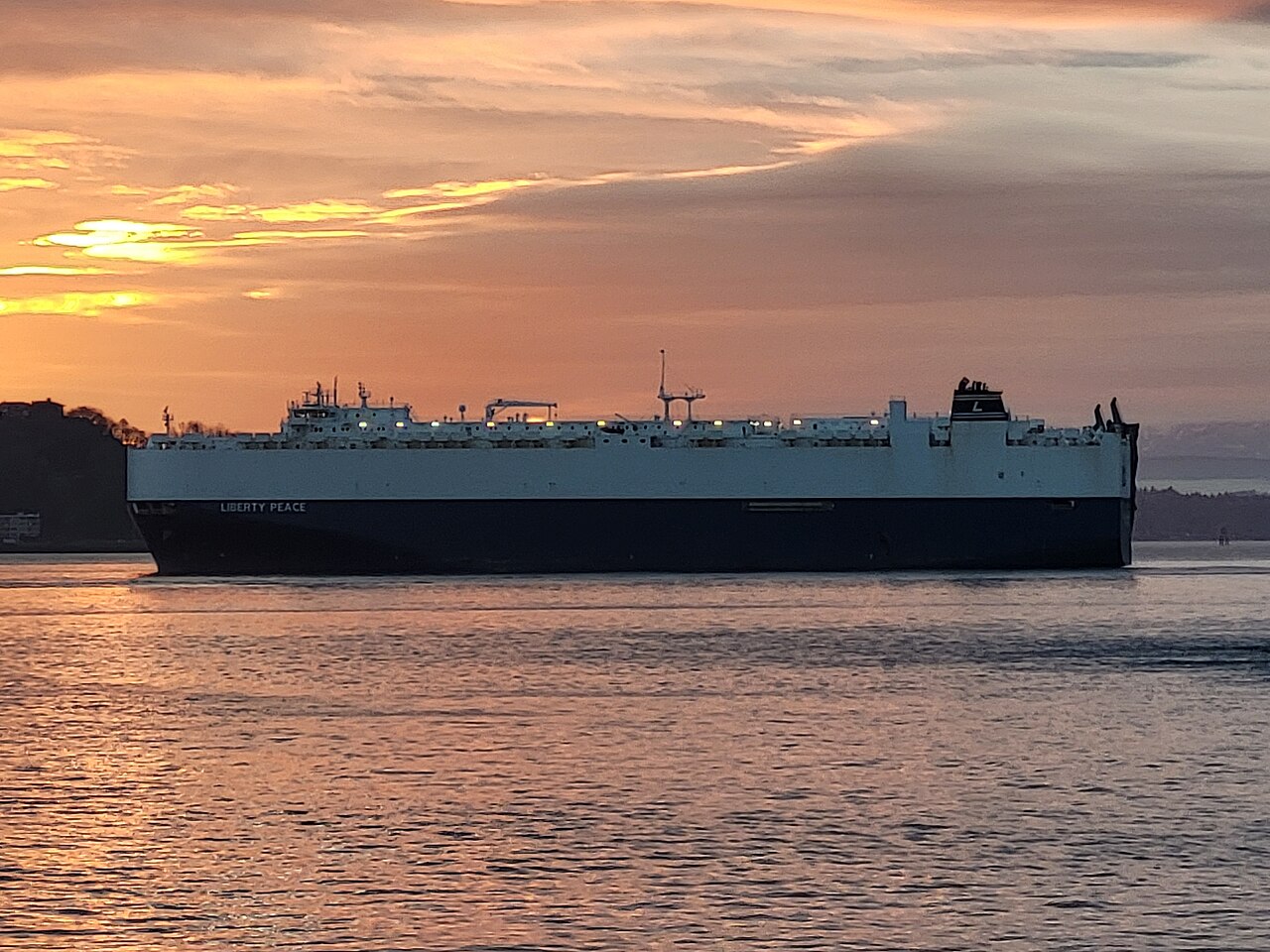
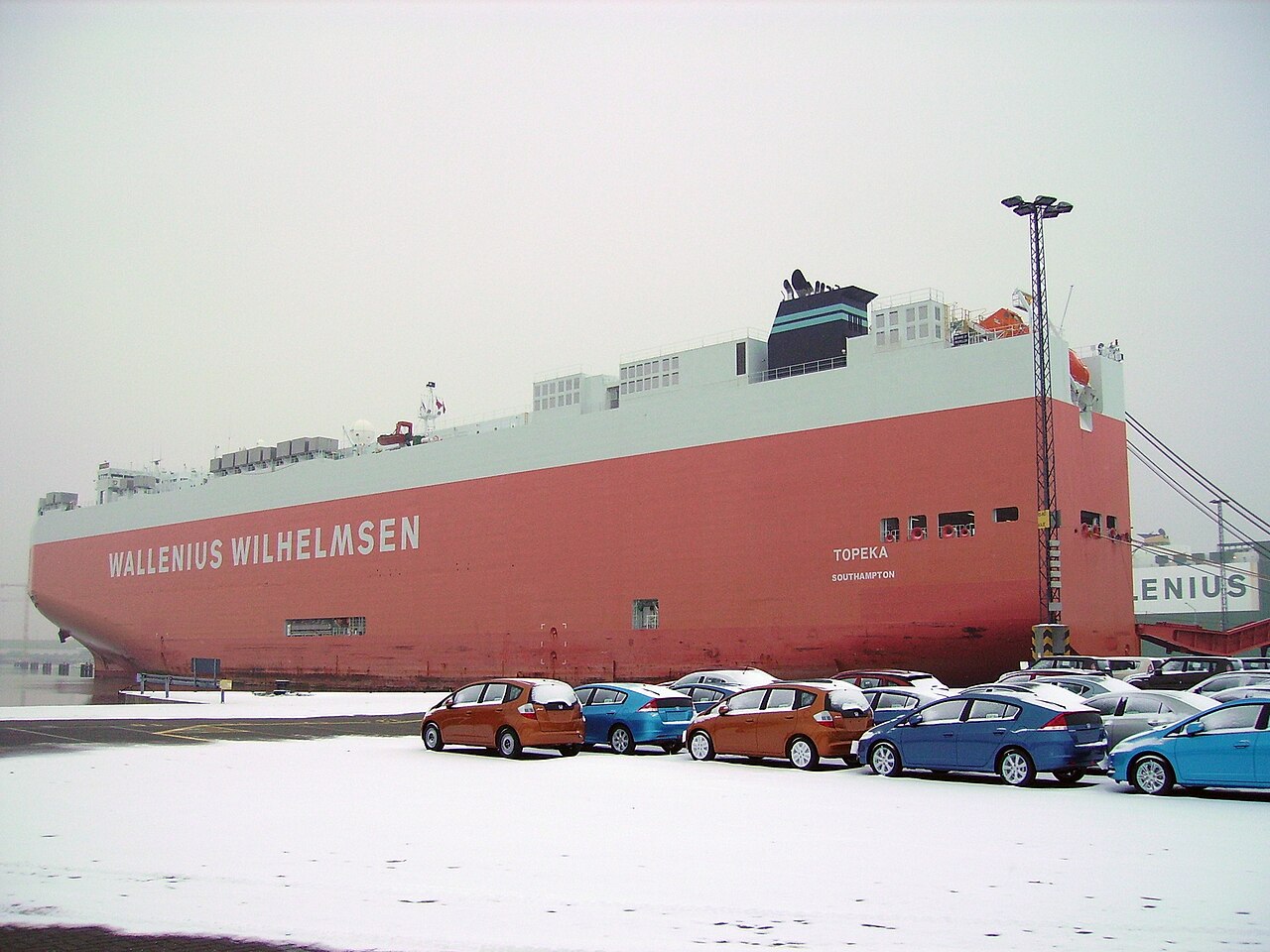
The new ships will join Wallenius Wilhelmsen’s Shaper Class line, a design that features hoistable decks, heavy-duty ramps and flexible cargo spaces capable of accommodating passenger vehicles, trucks and other rolling equipment. Vessels from the existing Shaper Class program are already being delivered and entering service across the company’s global network.
The Jinling order builds on a fleet renewal campaign that Wallenius Wilhelmsen launched in 2023 and has called the largest in its corporate history. With the latest contract, the Oslo-based operator’s total newbuilding pipeline, including options, now stands at 26 vessels, reflecting sustained investment in deep-sea roll-on/roll-off capacity.
Market Context and Emissions Considerations
Xavier Leroi, Chief Operating Officer for Shipping Services at Wallenius Wilhelmsen, said that expanding the newbuilding program with deliveries from 2030 reflects confidence in the long-term fundamentals of the market, adding that the company is investing now to continue growing with customers while strengthening its position in deep-sea RoRo. The order follows a broader pattern in the sector, with competitor Sallaum Lines also placing a further order for an LNG dual-fuel pure car and truck carrier in China in recent days.
LNG dual-fuel propulsion offers a pathway to reducing certain emissions compared with conventional marine fuels, though the technology’s overall climate benefit depends partly on methane slip and the sourcing of the fuel itself. The scale of the order underscores continued demand for car carrier capacity even as shipowners weigh longer-term alternatives such as methanol and ammonia propulsion for future tonnage.
Why it matters
The order signals sustained confidence among car carrier operators in long-term demand for vehicle and rolling cargo transport despite near-term market volatility. It also continues the industry’s gradual shift toward LNG dual-fuel propulsion as an interim decarbonization step, while reinforcing Chinese shipyards’ dominant role in global newbuilding capacity. For Wallenius Wilhelmsen, the deal cements its position as one of the largest investors in deep-sea RoRo tonnage, with ripple effects for automakers and heavy equipment manufacturers who depend on its global shipping network.
Source: gCaptain