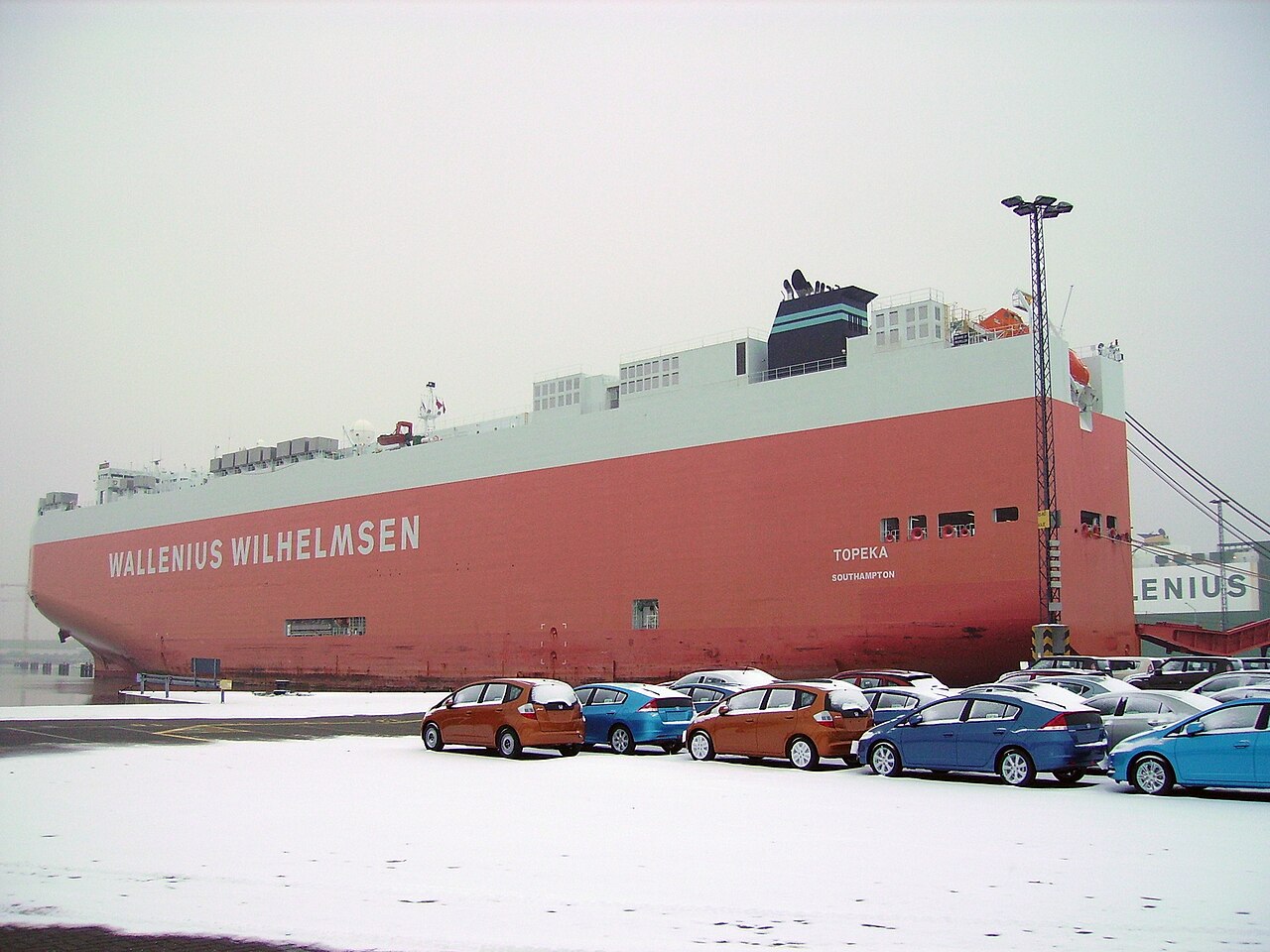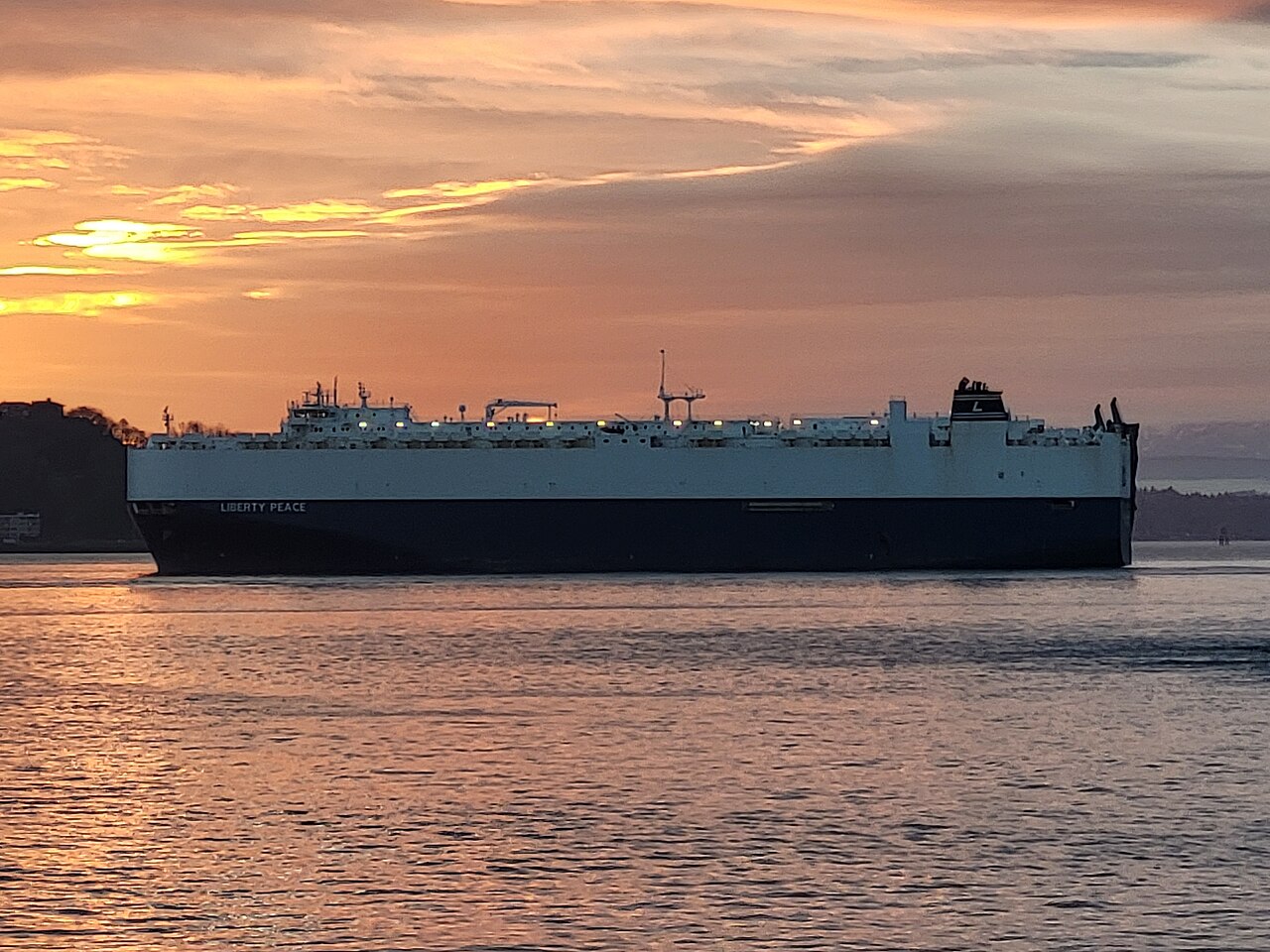
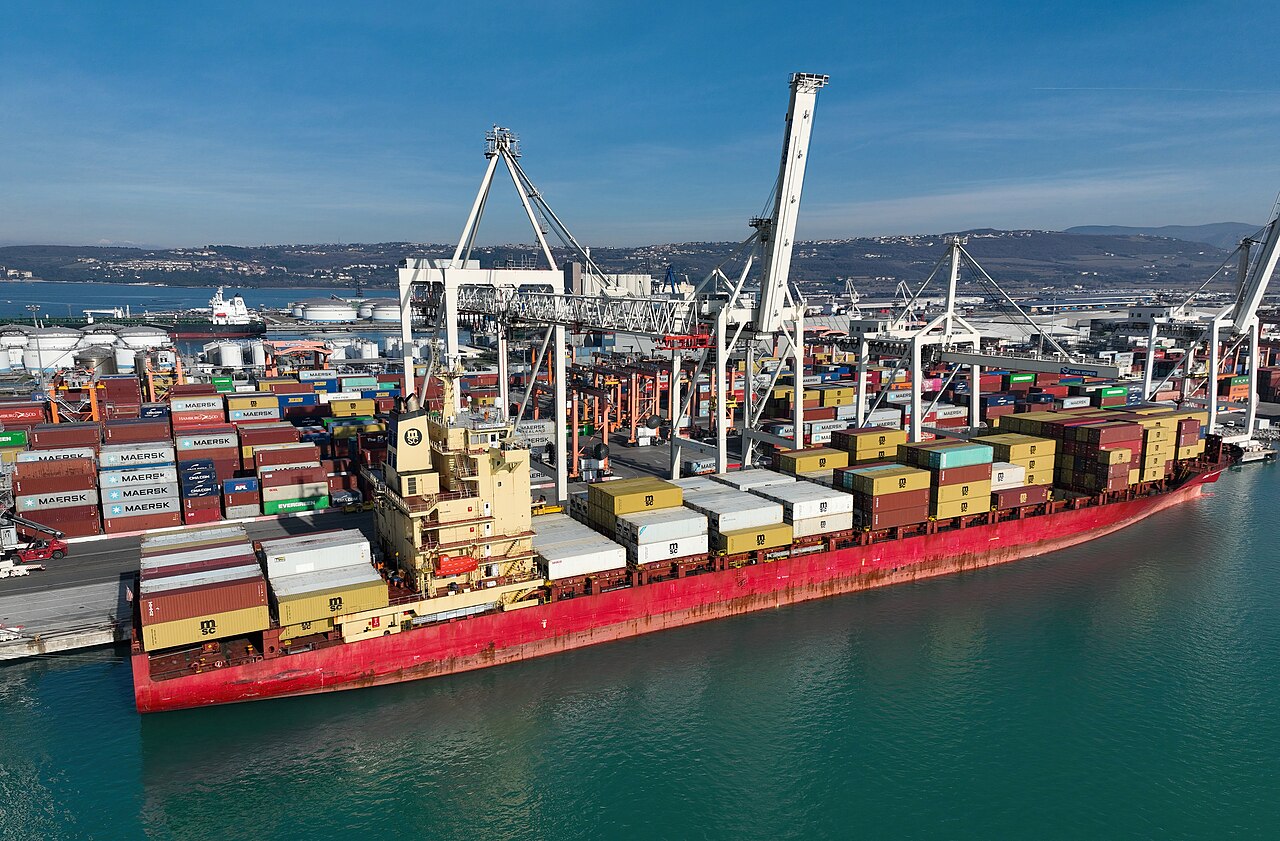
The global fleet of dual-fuel containerships and vehicle carriers has surpassed 500 vessels, with shipowners committing more than $200 billion to ships capable of running on alternative fuels, according to new figures released by the World Shipping Council (WSC) on October 22. The latest WSC Dual-Fuel Fleet Dashboard shows 503 dual-fuel vessels in service as of September 2026, a 41 percent increase from 358 a year earlier.
Another 849 ships are on order, bringing the combined total of delivered and ordered dual-fuel tonnage to 1,352 vessels. The figures underscore the scale of capital container lines and vehicle carrier operators are deploying to prepare for a shift to lower-emission fuels, even as uncertainty over future international climate rules continues to shadow the industry’s investment outlook.
Fleet Growth and Orderbook Composition
The WSC dashboard tracks vessels built with the flexibility to run on either conventional marine fuels or alternative options such as LNG, methanol and ammonia, giving operators room to adapt as cleaner fuel supplies and bunkering infrastructure mature. According to the council, alternative-fuel-capable vessels now account for 65 percent of containerships and 97 percent of vehicle carriers on order when measured by deadweight tonnage, compared with just 23 percent across the rest of the global merchant fleet.
The dashboard has tracked rapid expansion over the past year: the in-service dual-fuel fleet stood at roughly 440 vessels as of March 2026 and has continued climbing toward the 500-ship threshold crossed in September. Even so, the WSC noted that as the overall liner orderbook has expanded, orders for conventionally fuelled ships have also risen compared with a year earlier, a trend the council links directly to unresolved questions over future greenhouse gas regulation.
Industry Reaction
WSC President and CEO Joe Kramek said the container ship and vehicle carrier industry have committed more than $200 billion to ships that can run on cleaner fuels, with more than 500 already sailing and hundreds more on the way, adding that the investment is happening but these ships need commercially competitive alternative fuels to deliver their full potential to reduce emissions. He said ships ordered today will be operating for decades, and that shipping companies and fuel producers need certainty to make the investments that will shape the future fleet and its fuel supply.
The WSC reiterated that it strongly supports a global greenhouse gas measure through the IMO, in line with the organization’s 2023 GHG Strategy, arguing that such a framework is essential to closing the cost gap between conventional fuels and renewable, near-zero-emission alternatives. Kramek said the council trusts IMO member states can come together to deliver that framework, warning that without a global measure the industry risks facing a growing patchwork of regional emissions regulations that would add cost and complexity to international trade.
Regulatory Timeline Ahead
The figures land ahead of a pivotal window for the IMO’s climate agenda: the organization’s Marine Environment Protection Committee is scheduled to meet from November 30 to December 3, with a possible resumed session on the IMO Net-Zero Framework set for December 4. That session is expected to revisit the global measure aimed at cutting shipping’s greenhouse gas emissions, which has faced delays and friction among member states over cost-sharing and enforcement mechanisms.
For fuel suppliers and shipyards, the dashboard data signal sustained near-term demand for dual-fuel newbuildings regardless of the regulatory outcome, since vessels already on order will need fuel-flexible engines capable of running on LNG, methanol or ammonia as supply chains develop. Container lines and car carrier operators have increasingly framed dual-fuel capability as a hedge against both fuel price volatility and tightening environmental rules in regions such as the European Union, where FuelEU Maritime already imposes emissions intensity targets.
Why it matters
The scale of capital committed to dual-fuel newbuildings shows the container and car carrier segments are moving decisively toward fuel flexibility well ahead of binding global rules, locking in technology choices that will shape vessel operations for decades. Yet the WSC’s own data show conventional orders also rising, reflecting owner caution amid IMO regulatory uncertainty that could leave newly built dual-fuel ships running on fossil bunkers if cleaner fuel supply and pricing do not catch up. The outcome of the IMO’s upcoming MEPC session on the Net-Zero Framework will be pivotal in determining whether this investment wave translates into real emissions cuts or remains latent capacity awaiting commercially viable green fuel.
Source: gCaptain