Greece’s Minister of Shipping and Island Policy, Vasilis Kikilias, held a series of meetings in Tokyo this week with senior Japanese officials to advance bilateral maritime cooperation, covering shipyards, port infrastructure, investment and maritime security. The talks, held in the Japanese capital, focused on deepening ties between two countries whose combined merchant fleets represent a major share of global shipping tonnage.
Kikilias met Japan’s Minister of State for Economic Security and Development Strategy, Minoru Kiuchi, Deputy Minister of Infrastructure, Transport and Tourism Kentaro Asahi, and Taro Kono, chair of the Japan-Greece Parliamentary Friendship Group and a former Japanese foreign, defense and digital minister. The meetings also addressed international developments affecting the safety of navigation, including continuing risks in the Strait of Hormuz.
Shipyards, Ports and Investment on the Agenda
During the talks, the two sides confirmed mutual interest in expanding bilateral cooperation in shipping and shipbuilding through the promotion of reciprocal investments. Officials discussed port logistics and infrastructure cooperation, continuing a dialogue that began in September at the Thessaloniki International Fair, where Greek and Japanese representatives first raised the prospect of closer ties in ports and shipyards.
Japanese shipyards have long been a consistent top choice for Greek shipowners placing newbuilding orders, reflecting decades of commercial ties between the two maritime nations. The Tokyo meetings reaffirmed that relationship, with both sides expressing interest in operational cooperation extending to coast guard services as well as commercial shipbuilding and port logistics.
Hormuz Risks and IMO Energy Transition
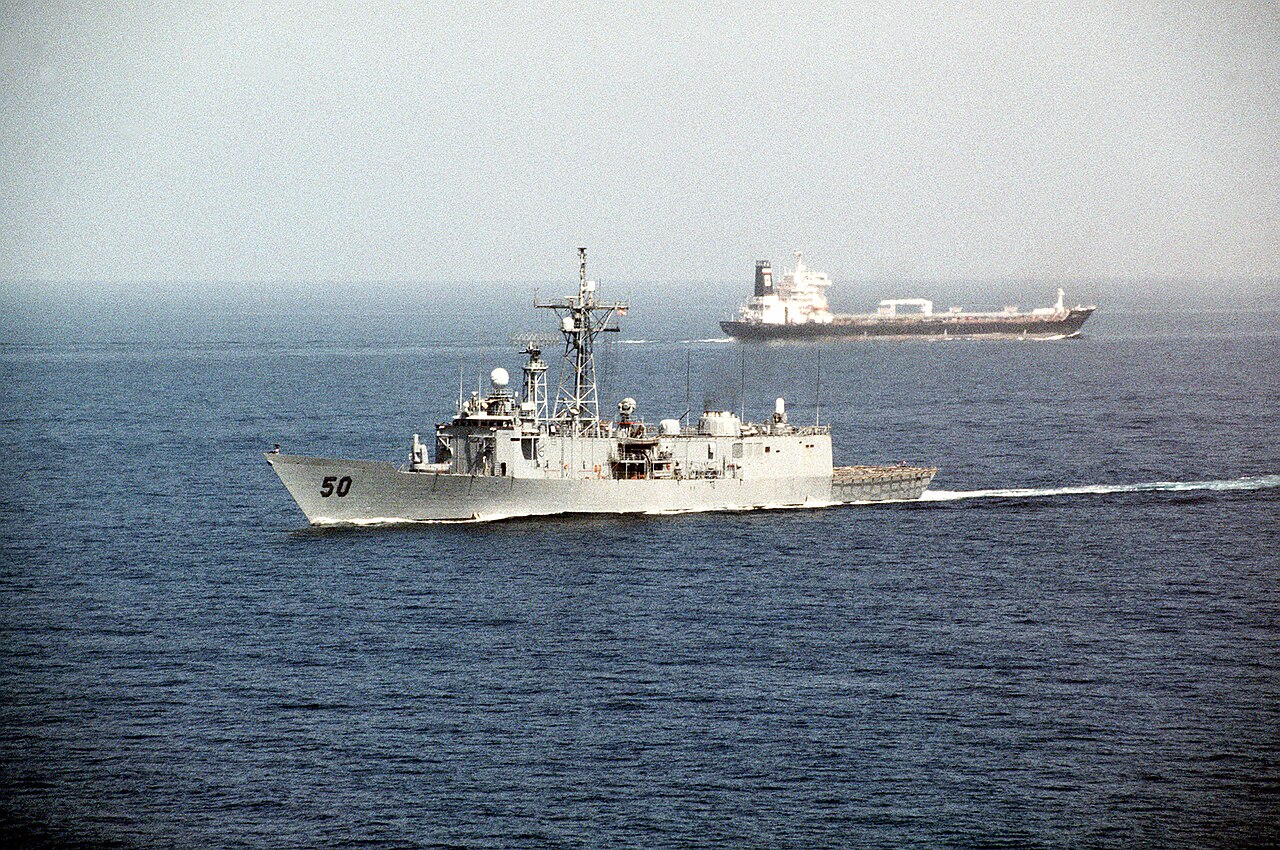
In his meeting with Kiuchi, Kikilias discussed shared concerns over continuing risks to the safety of navigation in the Strait of Hormuz, a chokepoint through which a significant share of the world’s seaborne crude oil and LNG passes. The two ministers reaffirmed their common will to strengthen maritime cooperation both bilaterally and within the International Maritime Organization, where negotiations over the sector’s energy transition framework are ongoing.
Officials also raised the need for fairer treatment of LNG as a transition fuel within the IMO’s forthcoming net-zero framework, a position that aligns with Greek shipowners’ broader lobbying on decarbonization rules. The discussions come as IMO member states continue to negotiate the details of the organization’s emissions-reduction regime for international shipping.
Post-War Ties and Fleet Scale
Kikilias and his Japanese counterparts referenced the strong maritime relationship that has developed between Greece and Japan since the Second World War, underscoring the longstanding presence of Japanese shipbuilding and Greek shipowning interests in each other’s markets. Kikilias noted that Greece and Japan together account for roughly 32 percent of the world’s merchant fleet, a scale he said gives the two countries the ability to influence international regulatory developments.
Beyond Kiuchi and Asahi, Kikilias also met other members of the Japan-Greece Parliamentary Friendship Group, including Deputy Defense Minister Kiyoshi Odawara, reflecting the breadth of institutional contacts cultivated during the visit. No specific investment figures or signed agreements were announced following the meetings, which officials characterized as continuing a dialogue toward deeper structural cooperation.
Why it matters
Greece and Japan together control close to a third of the global merchant fleet, giving coordinated positions between Athens and Tokyo outsized weight in IMO decarbonization negotiations and maritime safety policy. Deeper shipyard and port cooperation could reinforce Japan’s role as a newbuilding destination for Greek owners at a time of record orderbooks, while shared concerns over Strait of Hormuz security reflect the exposure of both countries’ fleets to Middle East chokepoint risks. The talks also extend a dialogue begun at the Thessaloniki International Fair, signaling sustained diplomatic engagement on maritime issues between the two governments.
Source: in.gr