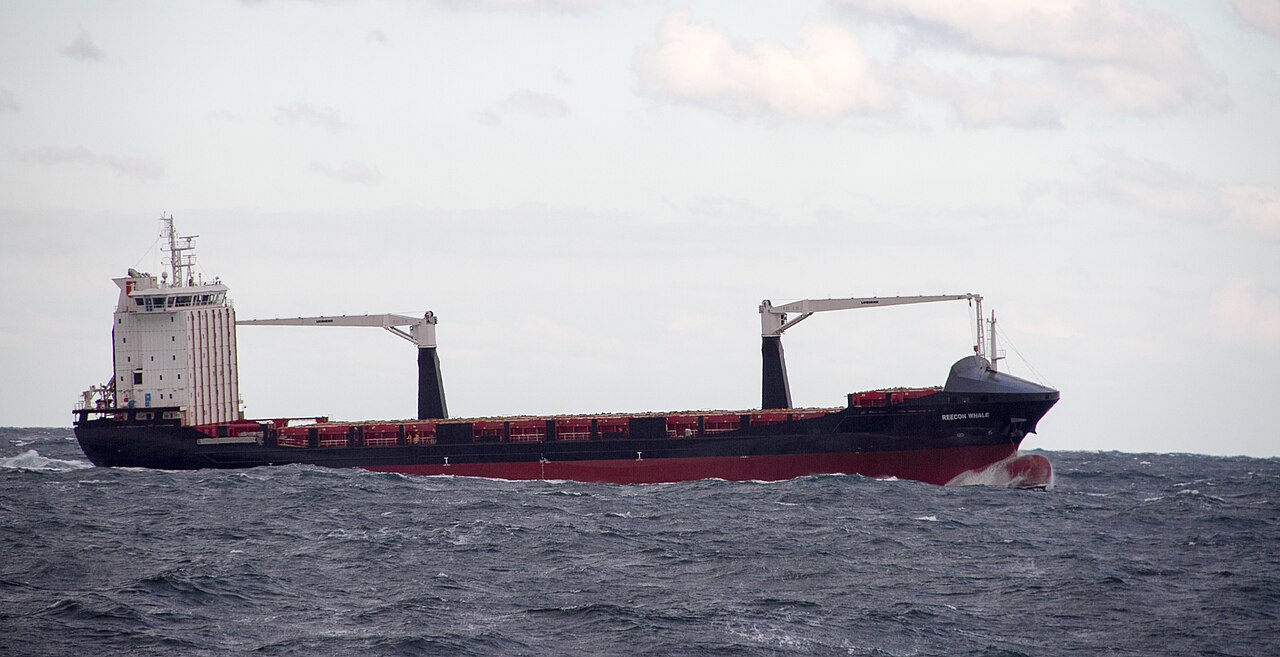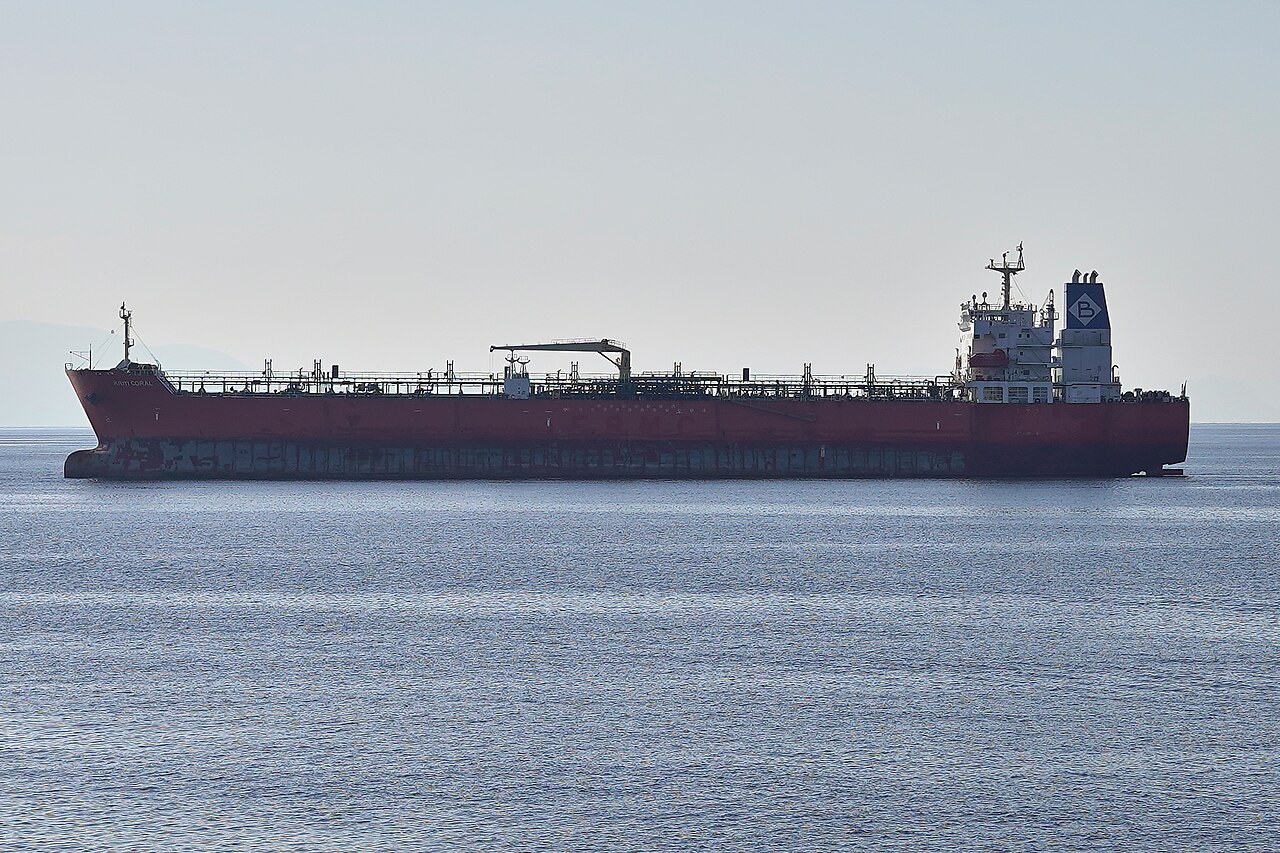
A wave of drone attacks on commercial vessels in the exclusive economic zones of Romania and Bulgaria has killed two people and left at least 25 missing this month, prompting both NATO members to weigh a formal alliance response. The strikes, the latest on Thursday against the San Marino-flagged chemical tanker Wine Trader near the Danube delta port of Sulina, have hit at least seven cargo ships since early October.
Romanian President Nicusor Dan confirmed the Wine Trader was struck by drones while sailing from Tunisia to Romania, triggering a fire and leaving several of its 12 crew unaccounted for despite a rescue operation involving Black Hawk helicopters and patrol boats. The attack came a day after another chemical and oil tanker, the Comoros-flagged Yara J, caught fire following a suspected drone strike near the same stretch of coast, and less than 48 hours after a Turkish-owned bulk carrier laden with corn sank off Romania following a separate strike that killed two crew.
Sequence of Strikes
The attacks began on October 13 when two cargo ships were struck by drones off Bulgaria’s Black Sea coast overnight, prompting Sofia to alert its NATO and European Union representatives and request additional surveillance support. Bulgarian Prime Minister Rumen Radev called the strikes unacceptable and told parliament the logic of the attacks favored Russia rather than Ukraine, pushing back on suggestions Kyiv could be responsible.
The following day a Turkish-owned corn carrier caught fire and later sank off Romania after a drone strike, killing two crew members while eleven others were rescued. On October 15, the Yara J and then the Wine Trader were both hit in rapid succession near the Sulina canal, the Danube outlet that serves as a key export route for Ukrainian grain reaching the Black Sea.
Rescue Operations and Investigations
Romanian naval authorities said the Wine Trader reported explosions and fire at around 07:00 local time roughly 13 nautical miles east of Sulina, with the crew count of missing sailors revised from eight to seven as rescue efforts continued. Two Black Hawk helicopters and rescue vessels were deployed in high seas to reach four crew members confirmed alive, while the search for the remaining missing sailors persisted into Friday.
Romania’s acting Defense Minister Radu Miruta said an investigation into the Yara J incident was underway, while President Dan said authorities wanted full clarity on the attacks before deciding on next steps. Dan said there would be a response from the Romanian state and indicated that Bucharest and Sofia were discussing whether to invoke Article 4 of the NATO treaty, which allows members to call for consultations when territorial integrity or security is threatened.
Alliance and Market Reaction
A NATO source cited by Romanian officials said the drones involved in the strikes originated from Russia, though Moscow has not publicly commented on the specific incidents. The attacks fall within the sovereign economic zones of two NATO members, raising concern within the alliance that continued strikes on commercial shipping could be a deliberate test of collective resolve amid the broader war in Ukraine.
The string of incidents threatens a shipping corridor used for grain, chemicals and oil products passing near the Danube delta, an area shippers and insurers have closely tracked since Black Sea hostilities intensified over the summer. Vessel operators and underwriters are likely to reassess risk premiums and routing near Romanian and Bulgarian waters as rescue and investigation efforts continue.
Why it matters
The strikes mark a significant escalation of Russia-Ukraine war spillover into waters controlled by NATO member states, threatening a shipping lane critical for Ukrainian grain exports and regional energy and chemical trade. Repeated attacks on commercial vessels inside Romanian and Bulgarian exclusive economic zones raise the risk of a direct alliance response and could push up war-risk insurance costs and reroute traffic away from the western Black Sea. The rising crew casualty toll also intensifies pressure on flag states and operators to reassess transit decisions near the Danube delta and Sulina canal.