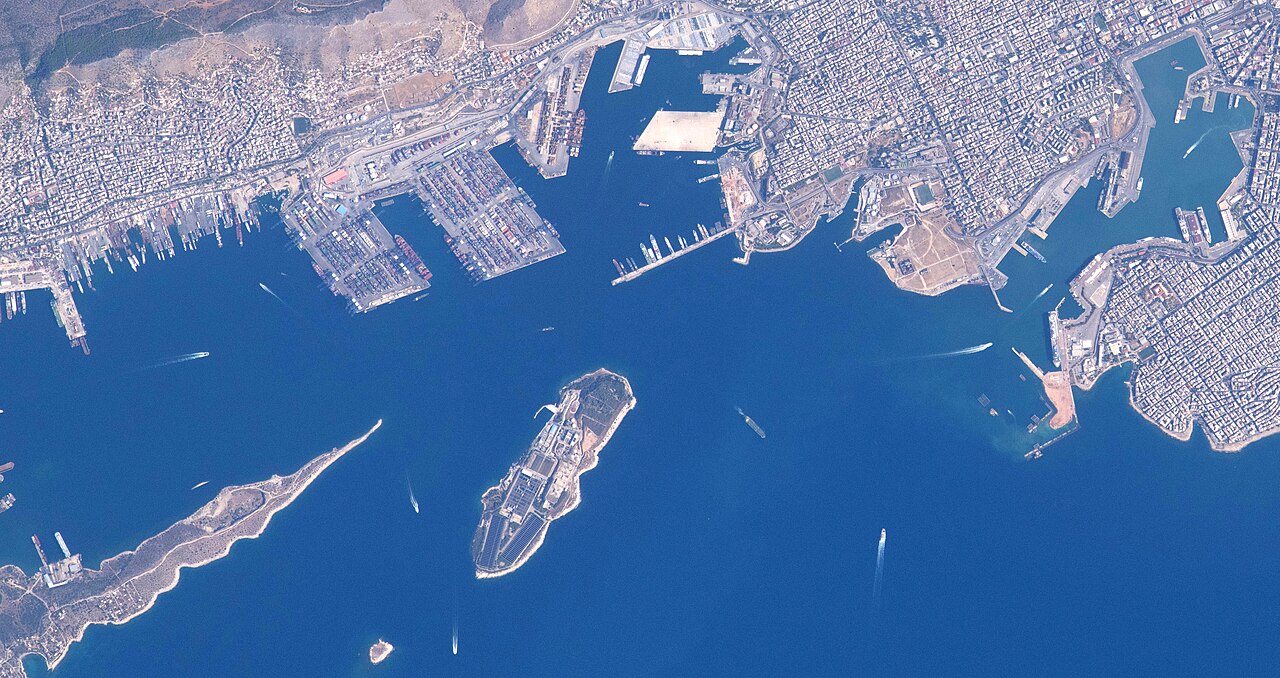
The US Treasury Department on October 21 sanctioned Karnakis and Karnakis, a law firm with offices in Piraeus and Panama City, accusing it of providing legal assistance to Iranian shipping networks for years and of setting up shell companies to conceal the true owners of vessels carrying Iranian oil, petrochemicals and steel. The Office of Foreign Assets Control designated the firm’s two Panamanian-Greek founders along with three additional employees, and also sanctioned Roxette Maritime Shipping and Trading, a related Panama-based entity.
Separately, the Treasury’s Financial Crimes Enforcement Network issued an administrative subpoena to advance an investigation into an unnamed Greek bank over potential ties to Iran, and sent information requests to six other unnamed European banks regarding their relationships with sanctioned Iranian financial institutions. Greece’s Ministry of National Economy and Finance said Thursday it was enforcing applicable sanctions and evaluating the information from Washington in line with national, EU and international law.
Allegations Against the Law Firm
Treasury said Karnakis and Karnakis registered companies that served as owners of vessels operating in Iran’s shadow fleet, helping conceal the identities of those ultimately controlling the ships, while staff at the firm also allegedly served as directors of many of the companies it registered to hide their real owners. The firm was also identified as a key corporate services provider for an Iranian liquefied petroleum gas magnate whose shipping operations have transported Iranian energy products worth hundreds of millions of dollars.
Treasury Secretary Scott Bessent said in a statement that whether someone is “conducting illegal oil transfers at sea or sitting in the corner office of a law firm,” support for the Iranian regime will be met with sanctions. The sanctions list gives the firm addresses in both Panama City and Piraeus, underscoring the dual Greek-Panamanian corporate structure Treasury said the firm used to register shipping companies. The firm did not immediately respond to requests for comment on the allegations.
Greek Bank Investigation and Government Response
FinCEN’s subpoena targeting the unnamed Greek bank forms part of a broader financial investigation that Treasury said is being coordinated with European authorities, including counterparts in Greece, to examine the lender’s possible connections to Iran and its regional proxies. The parallel requests to six other unnamed European banks concerned their relationships with Iranian financial institutions already under US sanctions, suggesting the probe extends beyond a single jurisdiction.
Greece’s finance ministry responded Thursday, saying it had noted the Treasury announcement and was evaluating all available information while taking appropriate measures under national, EU and international law. The ministry added that Greece implements applicable sanctions and supports efforts to combat money laundering and terrorism financing. The bank under investigation has not been publicly named by either US or Greek authorities.
Wider Sanctions Push on Shadow Fleet
The action against the Piraeus-based firm came alongside new US sanctions on Singapore- and UAE-based shipping agents that Treasury said directly aid Iranian shadow fleet operations, part of a continuing campaign of sanctions waves against networks that move Iranian crude, petrochemicals and steel outside the formal banking and insurance system. Washington has held off striking Iran directly this month in the broader conflict that the US and Israel launched in late February, instead maintaining a blockade of Iranian ports alongside the sanctions campaign.
Greek-flagged and Greek-managed vessels and intermediaries have repeatedly drawn US scrutiny over alleged shadow fleet links given Greece’s position as the world’s largest shipowning nation by deadweight tonnage. The latest designations add to a pattern of enforcement actions this year targeting corporate service providers and financial institutions rather than only vessel operators, reflecting Washington’s focus on the legal and banking infrastructure that enables sanctioned oil flows.
Why it matters
The sanctions highlight growing US scrutiny of the legal, corporate and financial infrastructure in Greece that Washington says sustains Iran’s shadow fleet, extending enforcement beyond vessel owners and operators to law firms and banks. For Greek shipping, a sector built on international compliance credibility, the case and the parallel bank subpoena risk reputational and regulatory exposure even though officials have not named the bank involved. The episode also signals that FinCEN and OFAC intend to keep widening sanctions pressure on intermediaries across multiple jurisdictions as the broader Iran conflict continues to disrupt Gulf shipping and oil trade.
Source: Reuters via US News