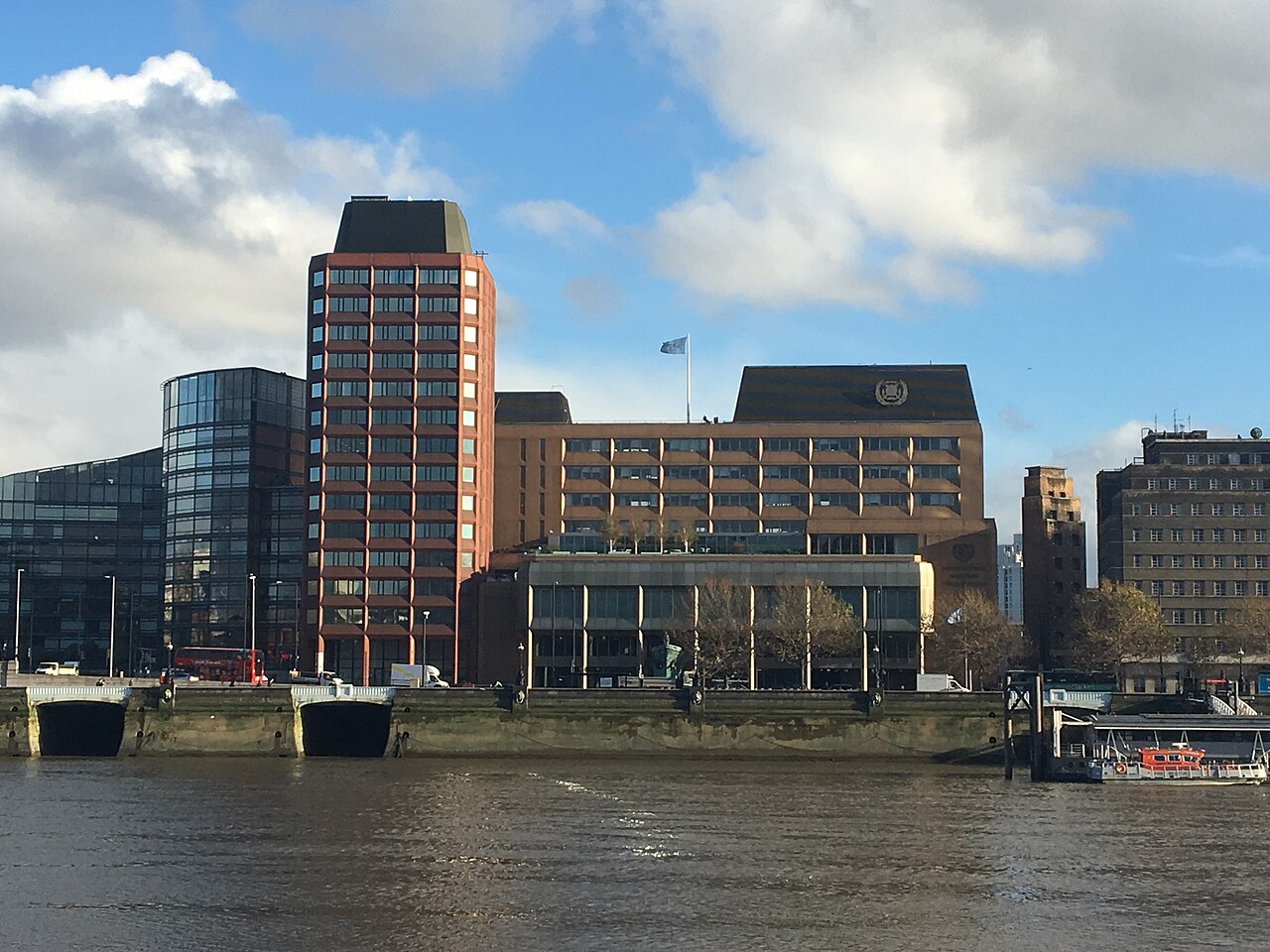
The International Maritime Organization Council recommended on November 4 that Secretary-General Arsenio Dominguez serve a second four-year term, extending his mandate from January 1, 2028 through December 31, 2031. The decision was announced during the Council’s 138th session, held in person at IMO headquarters in London from November 2 to 6.
The recommendation requires formal approval by the IMO Assembly, which next meets in late 2027. Dominguez, a Panamanian naval architect who became the organization’s tenth secretary-general on January 1, 2024, succeeded Kitack Lim and would remain in the post through the end of the decade if confirmed.
Council Decision and Reaction
Council Chair Victor Jimenez of Spain announced the decision on November 4, congratulating Dominguez on behalf of the Council’s 40 member states and confirming the recommendation would go to the Assembly for ratification. Dominguez responded with a statement thanking Council members and reaffirming his commitment to the organization’s work on behalf of global shipping and seafarers.
Dominguez was first elected by the IMO Council at its 129th session in July 2023 for the four-year term beginning January 1, 2024, with that election approved by the IMO Assembly at its 33rd session in December 2023. He joined the IMO secretariat in 2017 as chief of staff to then-secretary-general Kitack Lim, giving him nearly a decade of institutional experience before taking the top post.
A Difficult First Term
Dominguez’s initial term has been dominated by two intertwined crises: a stalled decarbonization agenda and escalating security threats to commercial vessels. In October 2025, IMO member states failed to formally adopt the organization’s landmark Net-Zero Framework, a proposed package of global fuel standards and greenhouse gas pricing measures intended to accelerate the industry’s shift away from fossil fuels.
At the same time, his tenure has coincided with rising geopolitical tensions that have turned commercial ships and seafarers into targets in the Black Sea and the Middle East, an issue on which he has spoken out repeatedly. The 138th Council session this week also took up discussions on protection of vital shipping lanes, freedom of navigation and seafarer safety against that backdrop of regional conflict.
What Lies Ahead
A second term would place Dominguez at the center of efforts to resolve deep divisions among member states over how to implement climate regulations, including disputes over cost distribution that have repeatedly delayed adoption of binding emissions measures. Cyprus, Greece, Malta and Italy have called for the widest possible consensus on measures that are realistic and cost-effective for shipping, consumers and businesses, while the U.S. Federal Maritime Commission has argued the current Net-Zero Framework proposal raises more questions than it answers.
The Assembly’s approval in late 2027 is widely expected to be a formality given the Council’s backing, following the precedent set when Kitack Lim was re-elected to a second term in 2018. Industry observers see continuity in leadership as important for maintaining momentum on unresolved regulatory files as the 2028 term begins.
Why it matters
The decision provides continuity in IMO leadership at a moment when the organization faces simultaneous pressure to finalize global decarbonization rules and to respond to armed threats against merchant shipping in multiple regions. A stable secretariat through 2031 could help shepherd the stalled Net-Zero Framework toward eventual adoption, a measure with direct cost and compliance implications for shipowners worldwide. The outcome also signals that major maritime nations, including Greece and other EU states pushing for consensus-based climate rules, retain confidence in Dominguez’s diplomatic approach to balancing competing national interests within the UN shipping body.
Source: Seatrade Maritime