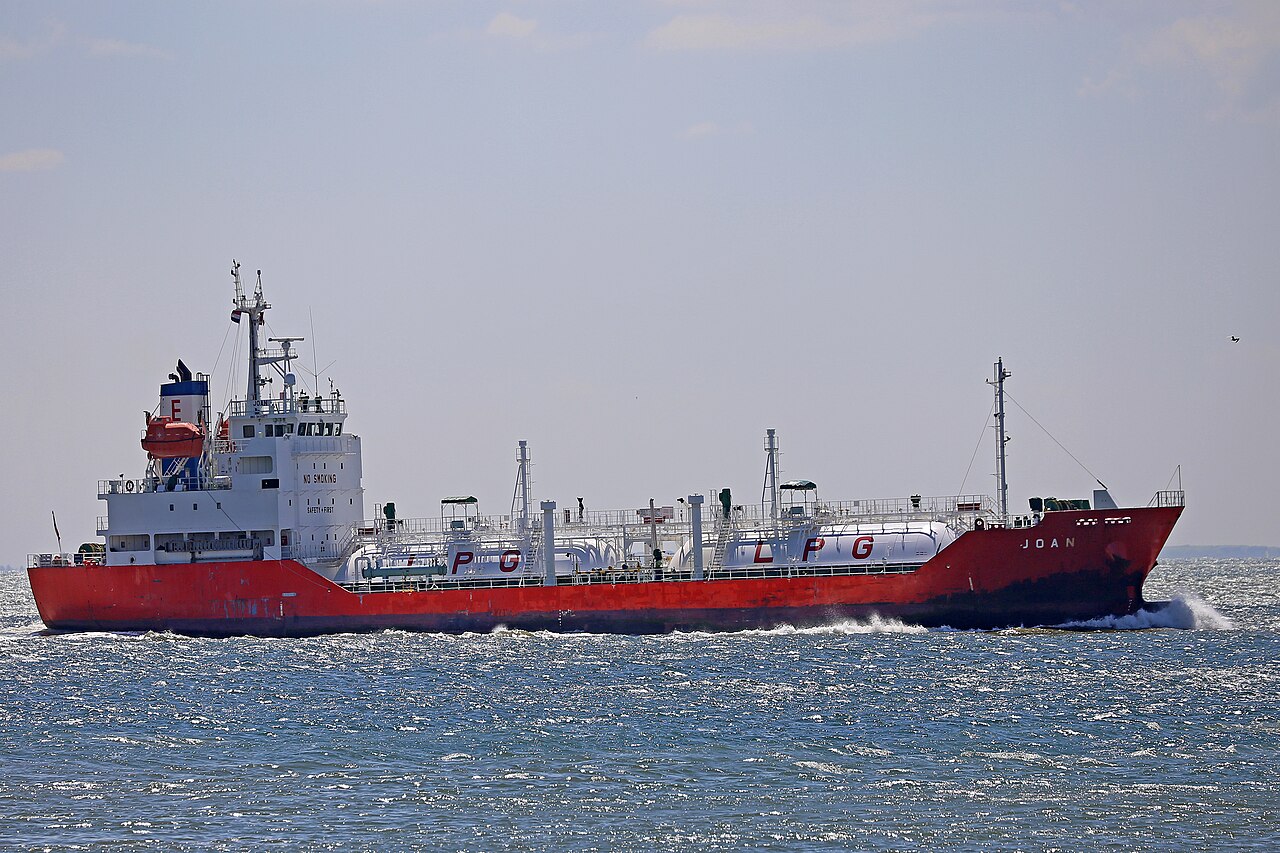
Greek gas carrier owner StealthGas said it has agreed to acquire four modern LPG carriers for $254.6 million from companies affiliated with the family of its chief executive, president and largest shareholder, Harry N. Vafias, in a deal that would expand the Piraeus-linked company’s fleet capacity by 35%. The agreement, dated November 4, 2026, was approved by an independent committee of StealthGas directors and remains subject to stockholder approval and other customary closing conditions.
If completed, the transaction would increase StealthGas’s LPG fleet from 25 to 29 vessels, adding 102,000 cubic metres of capacity for a total of 387,017 cubic metres, while cutting the average age of the fleet from 12.1 to 10.8 years. The company said it expects to take delivery of the vessels, free of existing charters, over the course of 2027.
Vessels and Deal Structure
The four companies selling the vessels are affiliated with members of the Vafias family, and the price was set by a transaction committee of independent StealthGas directors based on average independent vessel valuations. The larger pair of carriers were built in South Korea, while the smaller two came from a Japanese yard, and the fleet acquired includes recently built units such as the Eco Nebula and Eco Texiana.
StealthGas disclosed the agreement in a November 5 regulatory filing, noting that the deal allows the company to defer payment for up to one year without interest. The transaction requires approval by a majority of votes cast at a special meeting of common stockholders before it can close.
Balance Sheet and Strategic Shift
The acquisition marks a shift back toward fleet growth for StealthGas after a 2025 that was largely dedicated to paying down debt and disposing of older tonnage. The company reported more than $270 million in cash and short-term investments as of November 5, and ended 2025 with its wholly owned fleet free of debt after repaying $350 million over three years.
Vafias had earlier outlined plans to modernise the StealthGas fleet and move into larger LPG carriers as opportunities arose, a strategy the latest purchase advances by adding bigger, younger vessels to a fleet otherwise built around smaller pressurised carriers. The company said it intends to finance the acquisition through existing liquidity rather than new borrowing.
Market Backdrop
StealthGas operates an international fleet of modern pressurised LPG carriers ranging from roughly 2,500 to 9,100 cubic metres, transporting propane, butane and ammonia for energy markets worldwide. On a recent earnings call, the company’s management pointed to geopolitical disruptions that have reshaped LPG trade flows and supported freight rates, particularly for Handysize and medium gas carriers, while positioning most of the fleet west of Suez.
Because the sellers are entities tied to the company’s own CEO and top shareholder, the deal falls into the category of related-party transactions that typically draw additional scrutiny from minority shareholders and proxy advisers, which is why StealthGas structured the approval through an independent director committee and made the deal subject to a full stockholder vote.
Why it matters
The deal illustrates how Greek-owned gas carrier operators are moving from deleveraging back into fleet expansion as LPG freight rates remain elevated on shifting global trade patterns. It also highlights the governance considerations that arise when a controlling shareholder is simultaneously the seller of assets to the public company he runs, a structure that will require stockholder approval before the fleet growth can proceed. For the LPG shipping market, the addition of newer, larger tonnage to one of the sector’s established Greek owners could tighten competition for available modern capacity in the 11,000 to 40,000 cubic metre size range.
Source: Splash247