Greek coastal shipping companies are seeking approximately €100 million in state support to cover fuel costs for the winter sailing season, as operators warn that bunker expenses on routes serving the Aegean islands have risen sharply since the start of the year.
The request, outlined by the Association of Passenger Shipping Companies, comes as the head of the group, Dionysis Theodoratos, cited concrete route-level cost increases showing fuel expenses on some island services have more than doubled in under a year, raising concerns about the viability of winter ferry schedules to smaller islands.
Fuel Costs Climb on Island Routes
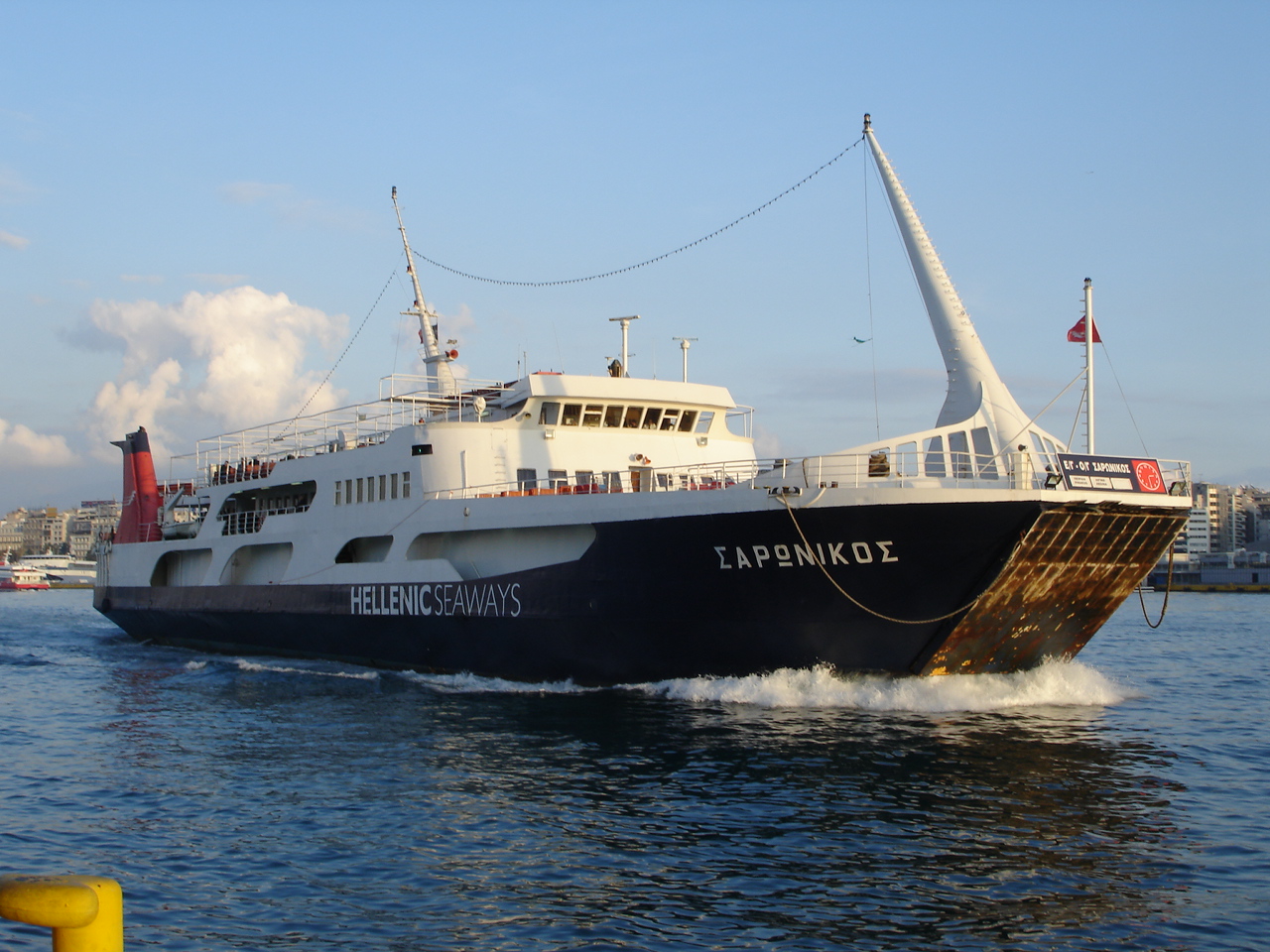
Greek ferries provide the primary transport link for dozens of Aegean and Ionian islands, many of which depend entirely on sea connections for passengers, food and other essential supplies during the winter months when air links are limited or unavailable. The Association of Passenger Shipping Companies represents the operators running these routes, which are often commercially marginal but considered a public service obligation.
According to Theodoratos, a single round trip on the Rafina-Mykonos route cost approximately €19,000 in fuel in January but has since risen to around €40,000. He said costs on the Piraeus-Rhodes route, which calls at Patmos, Leros and Kos, have also increased substantially over the same period, though the full comparative figures were not detailed in available reporting.
Industry Pressure Mounts on Government
Theodoratos said the challenge for the government now is to translate the cost data into concrete policy that ensures ships continue serving island routes through the winter season despite the financial strain on operators. The association’s appeal is aimed at securing funding before the winter timetable, when reduced passenger volumes make the routes even less commercially sustainable for operators absorbing higher fuel bills.
The fuel-cost pressure has compounded a difficult start to October for Greek coastal shipping. Ferry departures from Piraeus, Rafina and Lavrio were suspended for several consecutive days this week as gale-force winds reaching up to 9 on the Beaufort scale swept the Saronic Gulf, with only conventional vessels permitted to sail while hydrofoils remained docked.
Wider Fuel Market Context
The domestic ferry cost pressures mirror broader volatility in global fuel markets. Brent crude was trading at $100.79 a barrel as of early October, reflecting sustained upward pressure tied to the ongoing disruption in the Strait of Hormuz, which has curtailed oil and gas transits through one of the world’s key chokepoints since the conflict escalated.
For Greek coastal operators, whose vessels run on marine fuel priced off those same global benchmarks, the Hormuz-driven price spike has translated directly into higher per-voyage operating costs on top of normal seasonal fluctuations. Industry representatives argue that without state intervention, operators may be forced to cut frequencies or raise fares on routes serving smaller, less populated islands.
Why it matters
Ferry services are a lifeline for Greece’s island communities, and a sustained fuel-cost shock threatens both the frequency and affordability of winter connections to dozens of Aegean destinations. The outcome of the industry’s funding request will test how Athens balances support for a commercially strained but socially essential transport network against broader fiscal constraints, while also illustrating how global oil-market volatility linked to the Hormuz crisis is filtering down into domestic shipping costs far from the Gulf itself.
Source: Οικονομικός Ταχυδρόμος (ot.gr)