The Panama Canal Authority (ACP) announced on October 5 a new phase of its Long-Term Slot Allocation Program, known as LoTSA, covering transit dates from January 3 to April 3, 2027. For the first time, the program will extend beyond the Neopanamax locks to include a pilot scheme for the smaller Panamax locks, allowing customers to secure advance transit slots through sealed-bid auctions during the upcoming dry season.
The Neopanamax auction will be held on November 17, 2026, offering 36 packages totaling 270 transit slots split between 165 northbound and 105 southbound berths. The new Panamax pilot auction will follow on November 24, 2026, making available 51 packages totaling 288 slots, comprising 147 northbound and 141 southbound transits, equivalent to three slots per day over the four-month period.
Program Origins and Design
LoTSA was launched in September 2025 as a mechanism to give shipping lines and other canal customers greater certainty over transit scheduling during the dry season, when water levels in the canal’s reservoirs historically constrain vessel traffic and draft allowances. The program allows a single customer to place bids and secure multiple bookings in one transaction, streamlining what had previously been a more fragmented reservation process.
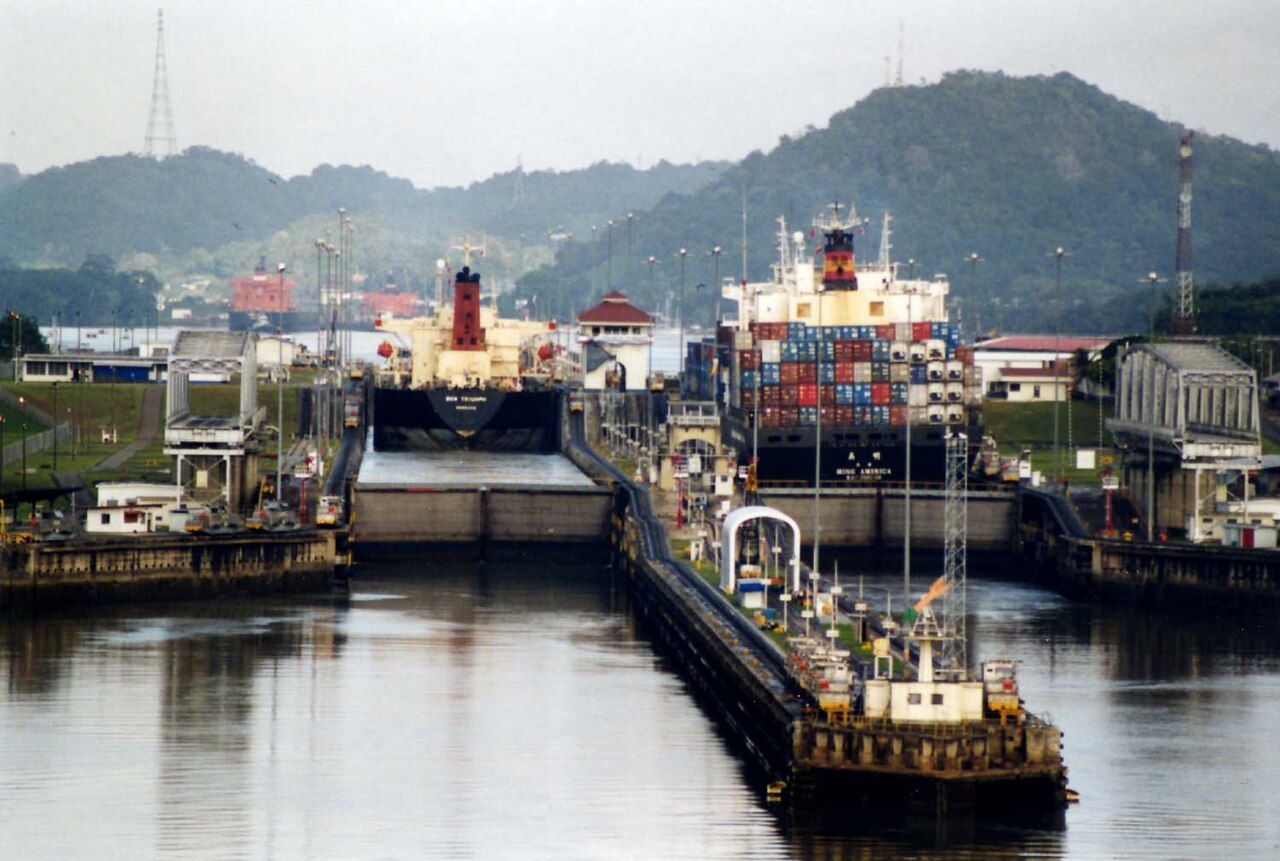
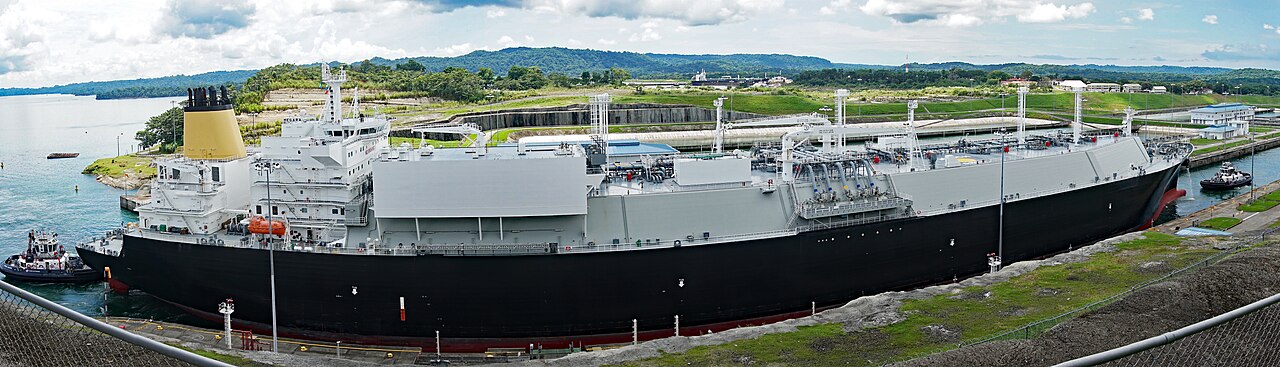
Until now, the long-term booking mechanism applied only to the larger Neopanamax locks, which handle the biggest containerships, tankers and bulk carriers able to transit the expanded canal. The extension to the Panamax locks, used by smaller vessels including many LNG and LPG carriers, marks a structural expansion of the ACP’s approach to managing advance capacity across its entire lock system rather than just its newest infrastructure.
Auction Mechanics and Timeline
Both the Neopanamax and new Panamax pilot slots will be allocated through sealed-bid competitions, with the ACP providing a dedicated customer service team to support participants through the bidding process. The Panamax pilot program introduces a single level of flexibility for the packages on offer, a more limited structure than the Neopanamax scheme, reflecting its experimental first-phase status.
The ACP said remaining transit capacity beyond the long-term allocated slots will continue to be offered through the canal’s regular booking system and standard transit auctions, meaning LoTSA participants secure only a portion of overall capacity rather than displacing the existing queue-based system entirely. Vessel operators that secure packages will be able to lock in slots for the full four-month dry-season window in a single transaction rather than bidding transit-by-transit.
Context of Water Management
The ACP stated that the expanded program is particularly relevant as the canal takes steps to sustain operations amid climatic conditions affecting water availability, a recurring concern since the severe 2023-2024 drought forced deep cuts to daily transit numbers and vessel draft limits. Reservoir levels that feed the canal’s locks remain central to how much capacity the ACP can reliably commit in advance, shaping the scale of each LoTSA phase.
By offering predictable booking windows across both lock systems, the ACP aims to help container lines, tanker operators and bulk carriers plan itineraries months ahead despite the inherent seasonal uncertainty of Gatun Lake water levels. The move follows a pattern of incremental adjustments the authority has made to its booking and pricing systems since the drought, as it balances revenue needs, customer demand for certainty and the physical limits of the waterway’s freshwater supply.
Why it matters
The Panama Canal remains one of the world’s most important maritime chokepoints, and predictable transit scheduling directly affects freight costs, vessel routing decisions and supply chain reliability for container, tanker and bulk trades between the Pacific and Atlantic basins. Extending advance booking to the Panamax locks gives a wider range of operators, including smaller gas carriers and bulkers, the same planning certainty previously reserved for the largest Neopanamax vessels. The pilot also signals how the ACP continues to adapt its commercial systems to the recurring water-availability constraints that have periodically forced transit and draft restrictions in recent years.
Source: Seatrade Maritime News