Russia has stepped up attacks on commercial vessels and port infrastructure in and around Ukraine’s Odesa region, with Moscow’s defence ministry claiming strikes on four dry cargo vessels across Chornomorsk Port, the Bug Estuary, and the northwestern Black Sea over the weekend into October 5, 2026.
Russian forces also hit logistics infrastructure in Chornomorsk, with further air strikes overnight targeting industrial and port facilities and causing several fires, according to the ministry’s statements. Separately, Russia said it had targeted the port of Vylkove and fuel storage facilities at Chornomorsk, claiming without disclosing identities that the struck vessels were carrying military equipment and supplies.
Weekend Strikes on Cargo Vessels
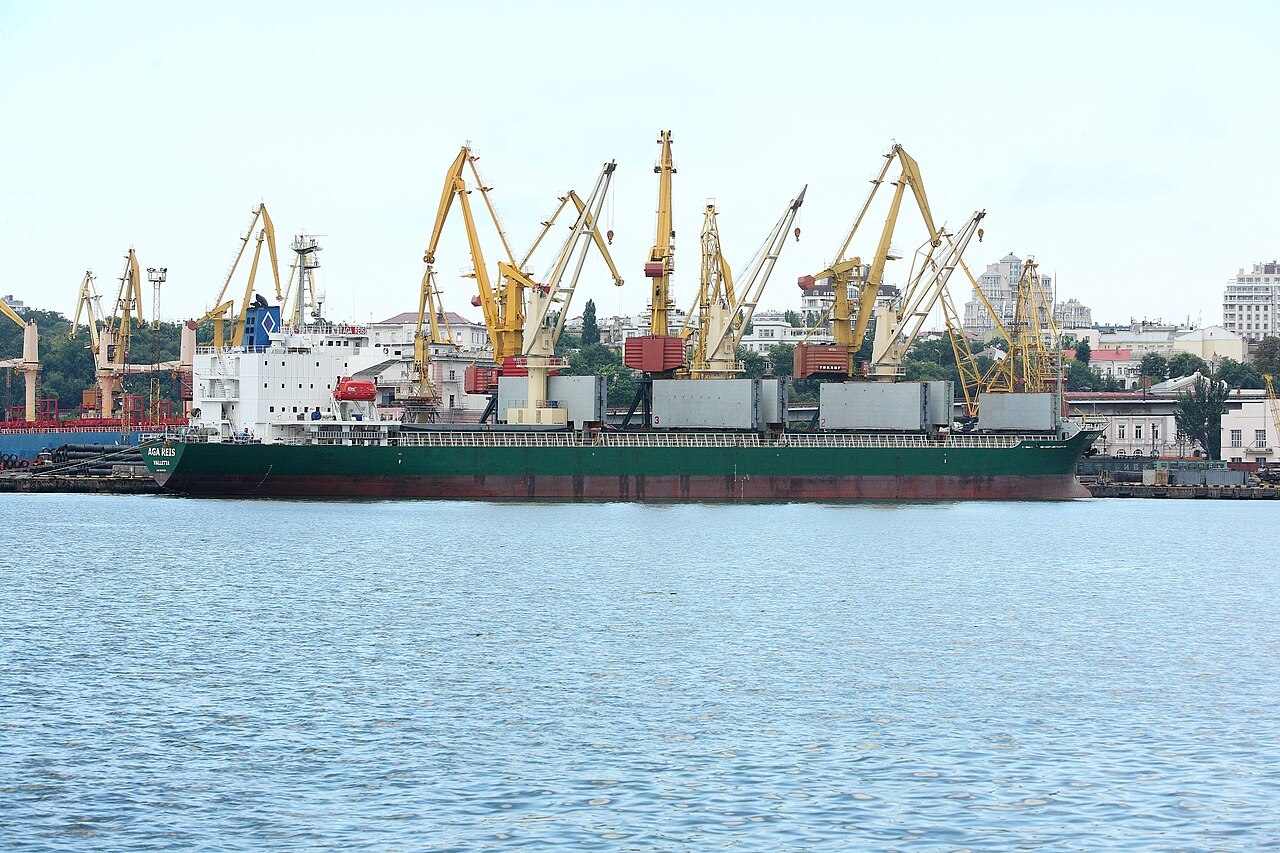
Russia’s defence ministry said its forces struck four dry cargo vessels across Chornomorsk Port, the Bug Estuary, and the northwestern Black Sea, alongside renewed air strikes on logistics infrastructure in Chornomorsk. The attacks continued overnight into October 5, with industrial and port facilities hit and several fires reported in the affected areas. Moscow additionally claimed strikes on the port of Vylkove and fuel storage sites at Chornomorsk as part of the same operation.
The ministry asserted that the targeted vessels were carrying military equipment and supplies for Ukraine, though it did not disclose the identities or flags of the ships involved. Ukrainian authorities have not yet issued a detailed public accounting of damage or casualties from this specific round of strikes, which follows a pattern of unverified Russian claims about military cargo that commercial shipowners and insurers have struggled to independently confirm.
Fatal Strike on Liberian-Flagged Ship
The latest barrage follows a strike on a Liberian-flagged civilian cargo vessel at an Odesa region port on October 3, in which one motorman was killed and three crew members were injured. Another 13 seafarers were evacuated from the vessel following the attack, underscoring the continued danger to merchant crews operating in Ukrainian Black Sea waters.
Russia’s war on shipping along Ukraine’s coast has persisted since it effectively renewed its blockade of Ukrainian Black Sea ports over the summer, disrupting established trade routes and reducing the country’s grain and steel exports. The recurring attacks on crewed commercial vessels, rather than solely on port infrastructure, have heightened concerns among shipowners, flag states and seafarer unions about the risks of continuing to call at Ukrainian terminals.
Mounting Toll on Port Infrastructure
Ukraine’s government said last month that Russian attacks since the start of the full-scale invasion had damaged or partially destroyed 1,173 port infrastructure facilities and 274 civilian vessels. Chornomorsk, Odesa and the Bug Estuary corridor remain central to Ukraine’s reduced but still functioning export routes for grain, steel and other bulk commodities, making repeated strikes on terminals and vessels directly consequential for cargo flows.
Shipowners and charterers operating in the region continue to rely on a western Black Sea corridor that hugs the coastline, in part through the territorial waters of NATO members Romania and Bulgaria, to reduce exposure to strikes further offshore. Insurers and P&I clubs have repeatedly flagged the unpredictability of attacks on vessels at anchor or berth as a key factor keeping war-risk premiums elevated for Black Sea calls.
Why it matters
Continued Russian strikes on commercial vessels and port infrastructure in the Odesa region sustain pressure on Ukraine’s already-reduced Black Sea export capacity for grain and steel, two trades critical to the country’s wartime economy. The killing of crew aboard a Liberian-flagged ship and repeated claims of hits on unidentified cargo vessels raise the risk calculus for owners, insurers and flag states still trading into Ukrainian ports. With over a thousand port facilities and hundreds of civilian vessels damaged since the invasion began, the cumulative toll continues to reshape shipping routes, insurance costs and global grain supply chains reliant on Black Sea corridors.
Source: Splash247