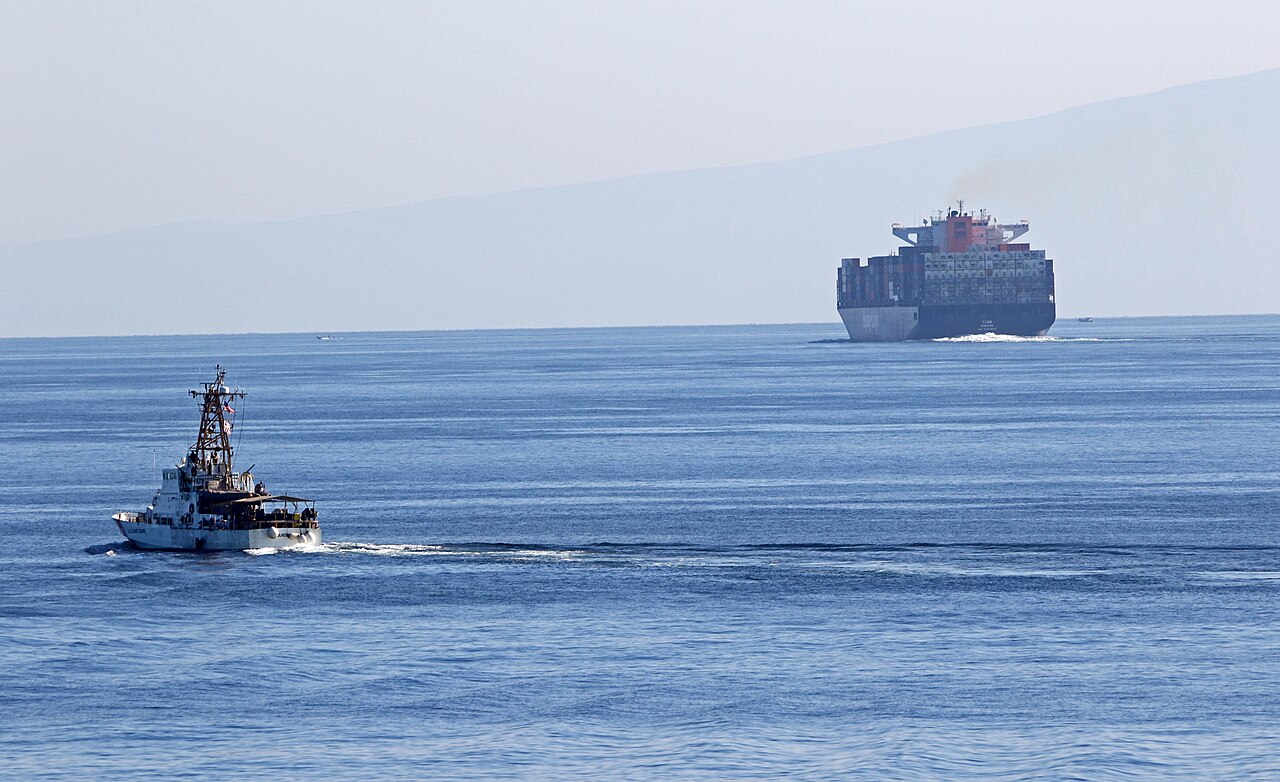
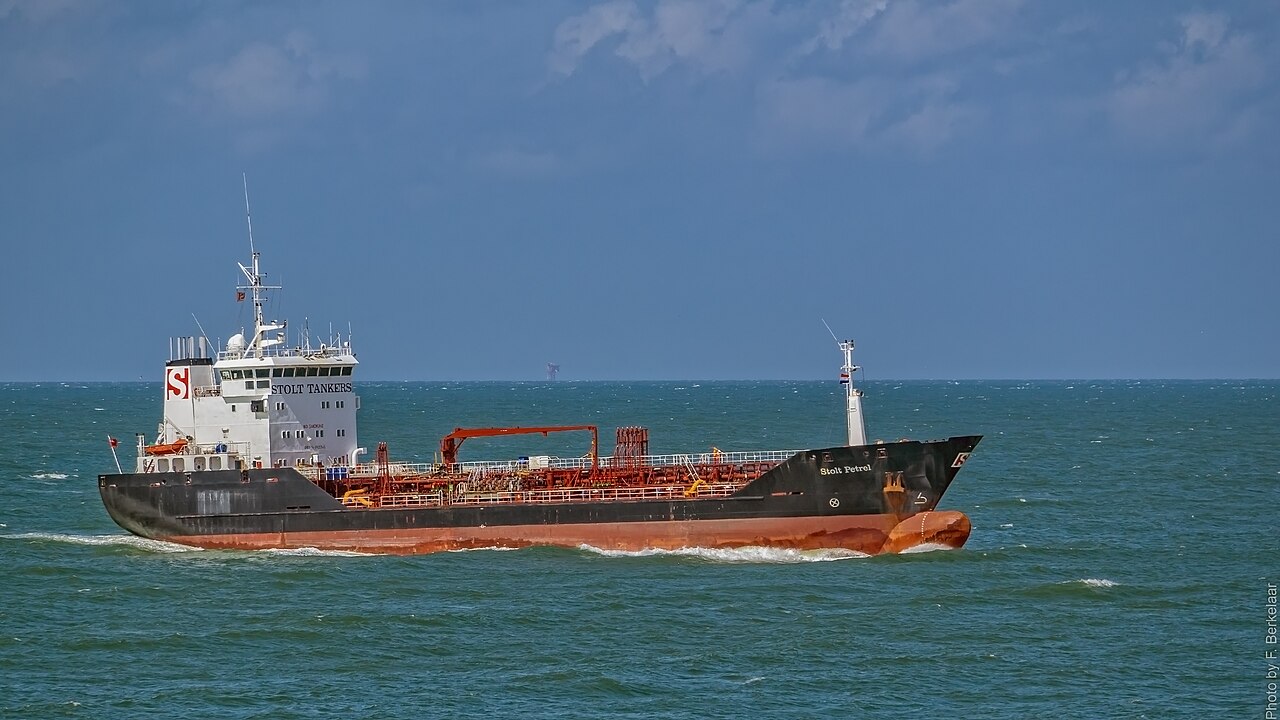
Greece retained its position as the world’s leading shipowning nation in 2025, controlling 15.8 per cent of global shipping capacity, according to the Review of Maritime Transport 2026 published by the United Nations Conference on Trade and Development. The report, based on data as of January 1, 2026, shows the Greek-owned fleet at 5,168 vessels with a combined carrying capacity of approximately 397.1 million deadweight tons.
Despite that ownership dominance, the Greek flag itself ranked only ninth among the world’s registries, with 1,170 vessels and 51.67 million deadweight tons flying the national flag, equivalent to 2.0 per cent of global capacity. The figures underscore a long-standing divergence between where Greek capital owns ships and where those vessels are legally registered, with the overwhelming majority of the Greek-owned fleet sailing under foreign flags.
Ownership Dominance, Registration Gap
UNCTAD’s figures show the gap between Greek ownership and Greek registration has widened rather than narrowed. According to the report, the Greek flag ranked ninth worldwide on January 1, 2026, with 1,170 registered vessels and a combined capacity of 51.67 million deadweight tonnes, representing 2.0 per cent of global shipping capacity. By contrast, Greece’s ownership share stood nearly eight times larger, cementing its position as the top shipowning nation ahead of China and Japan.
UNCTAD estimates that approximately 68.4 per cent of global shipping capacity is registered under a foreign flag, meaning the country of registration differs from the country of ownership, a structural feature of the industry that Greek owners have long used to access flexible tax and crewing regimes offered by open registries such as Liberia, Panama and the Marshall Islands. By value, the Greek flag accounts for just 1.7 per cent of the global fleet, also placing it ninth among flag states despite Greece’s unmatched ownership footprint.
Fleet Size and Capacity Breakdown
The scale of Greek ownership has grown steadily in recent UNCTAD counts. A year earlier, the Review of Maritime Transport 2025 had put Greek-owned tonnage at 398 million deadweight tons and 16.4 per cent of global capacity, with the Union of Greek Shipowners separately citing a broader fleet of roughly 5,800 vessels accounting for 61 per cent of EU-controlled fleet capacity. The latest UNCTAD count of 5,168 Greek-owned vessels and 397.1 million dwt keeps Greece’s lead intact even as global tonnage has expanded.
Earlier UNCTAD data for the same ownership universe recorded 562 vessels under the Greek register against 4,555 flying foreign flags, illustrating that the pattern of predominantly foreign registration has persisted across successive reporting years rather than shifting markedly. The new 2026 figures of 1,170 Greek-flagged vessels against roughly 4,000 Greek-owned ships under other registries extend that same long-running trend.
Market and Policy Implications
The persistence of foreign flagging carries implications beyond statistics, shaping which jurisdictions collect registration fees, enforce safety and labour rules, and benefit from tonnage tax revenue tied to the Greek-owned fleet. As the European Union develops a maritime industrial strategy and discusses strategic autonomy, the scale of Greek ownership is frequently cited as one of Europe’s largest maritime assets, even though most of the capacity it controls sails outside EU and Greek registries. UNCTAD’s broader Review of Maritime Transport 2026 notes that ownership remains concentrated in major maritime economies such as China, Greece and Japan, while registration is concentrated in open registries.
For Greek maritime policymakers, the figures renew a recurring question about incentives to bring more tonnage back under the national flag, a goal successive Greek shipping ministries have pursued through registry reforms and tax arrangements with mixed results. The data gives no indication of a near-term reversal, with the share of Greek-owned capacity registered outside Greece remaining the dominant pattern in this year’s UNCTAD count.
Why it matters
The figures confirm Greece’s unrivalled role in global seaborne trade, with Greek owners controlling capacity far exceeding any other nation, giving the country outsized influence over tanker, bulker and gas-carrier markets worldwide. At the same time, the persistent gap between ownership and flag registration highlights how little of that commercial power translates into direct national registry revenue or regulatory control, a dynamic that shapes debates in Athens and Brussels over taxation, safety oversight and maritime industrial policy. The data also matters for insurers, charterers and regulators who must track beneficial ownership separately from flag-state jurisdiction when assessing compliance and sanctions risk across the Greek-controlled fleet.
Source: Hellenic Shipping News