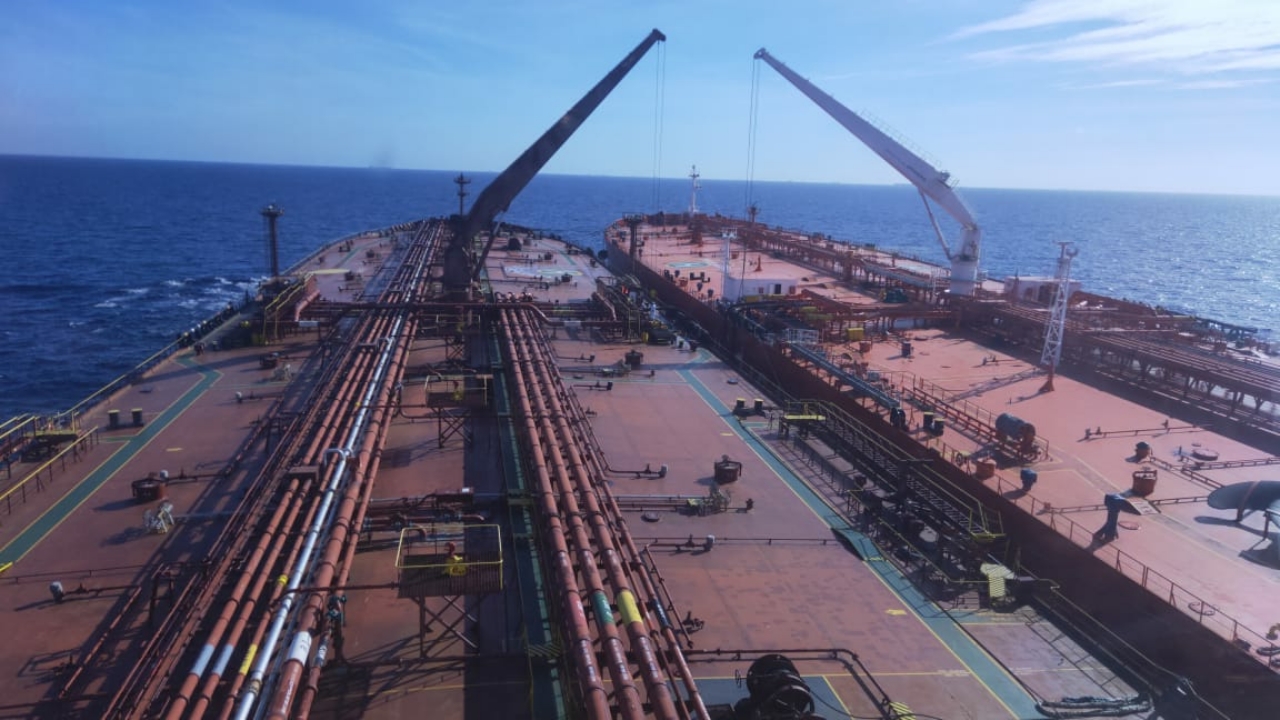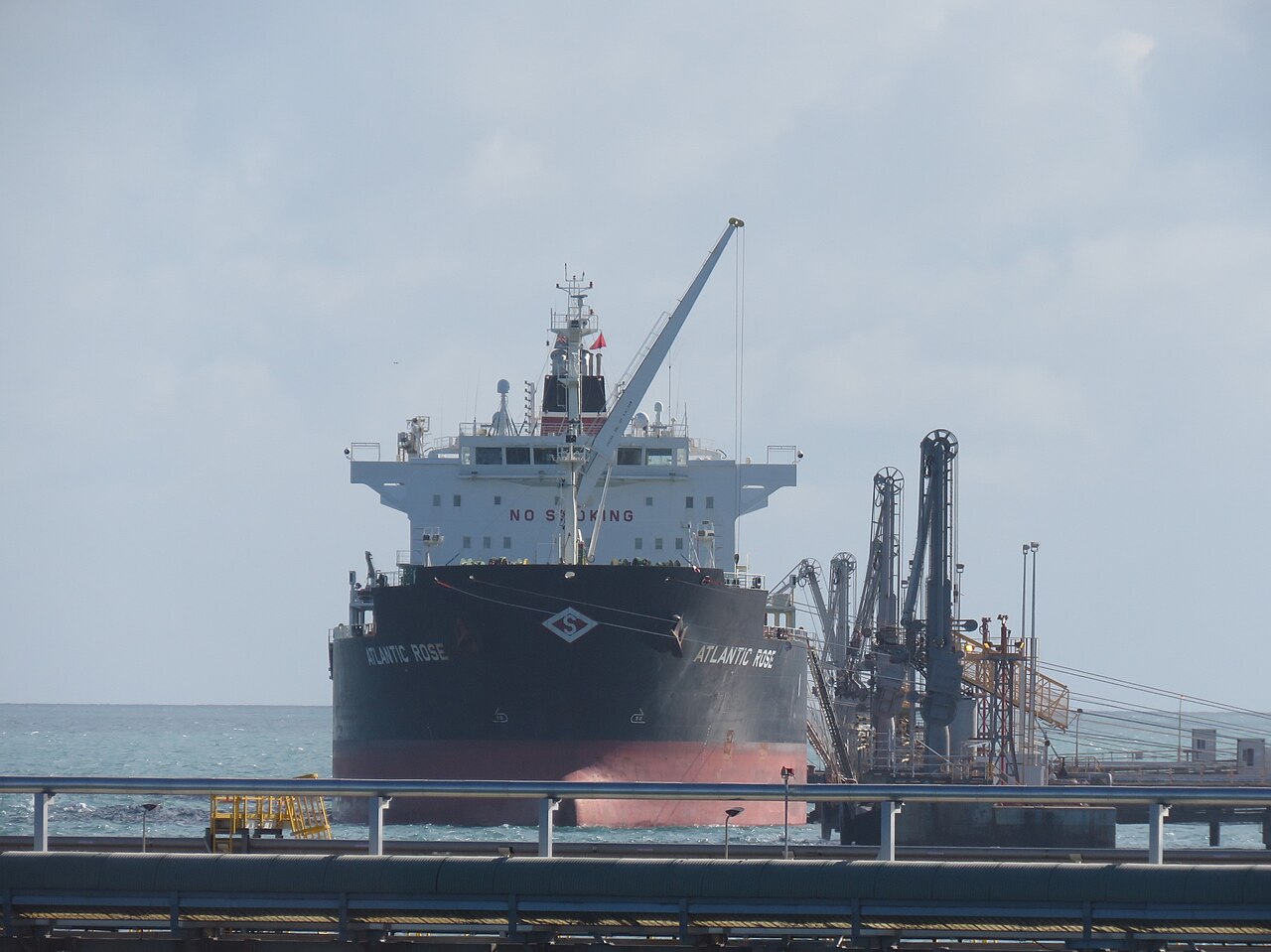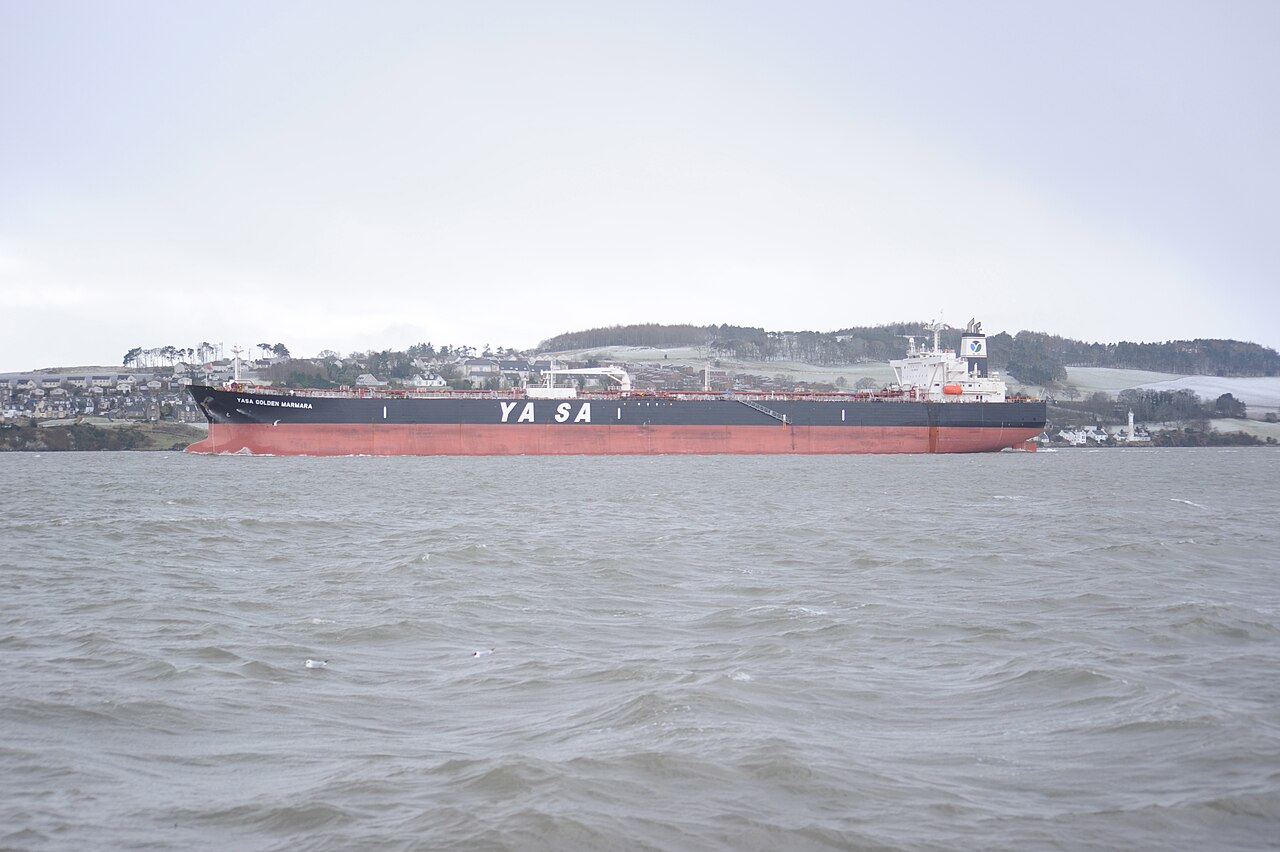
Greek shipowners more than halved their Russian crude oil cargoes in October, cutting shipments to a two-year low as booming freight rates in the Gulf and escalating Black Sea attacks drew tankers away from the Russia trade, according to a Kommersant report published November 10 citing S&P Global data.
Greek-operated tankers carried 8.3 million barrels of Russian oil in October, the lowest monthly total since December 2024. Only one Greek-operated tanker lifted Russian crude from the Black Sea during the month, as four Aframax and four Suezmax vessels shifted to routes east of the Strait of Hormuz, where war-risk premiums and surging demand for larger tonnage have pushed freight rates toward record highs.
Western-Flagged Share of Russian Exports Shrinks
The pullback by Greek owners has coincided with a broader decline in the role Western-linked tankers play in Russia’s seaborne crude trade. G7-linked tankers carried 906,000 barrels a day of Russian crude in October, representing 24.2 percent of all seaborne exports, the lowest share in seven months and down sharply from 1.2 million barrels a day, or 29.2 percent, in September.
Ships without any G7 link, predominantly shadow fleet tankers, carried 2.8 million barrels a day in October, according to S&P Global’s Commodities at Sea and Maritime Intelligence Risk Suite data cited in the report. The shift means a larger proportion of Russian oil is now moving outside the price-cap framework that Western governments designed to limit Moscow’s export revenue while keeping some volumes flowing to global markets.
Commercial Pull and Security Risk Combine
A market source quoted in the report said Black Sea attacks may have played the decisive role in October’s drop, compounding the commercial incentive to redeploy tonnage toward the booming Gulf freight market. Britain’s expanded sanctions on shadow fleet tankers introduced in October, along with inspections of vessels in international waters by EU states, have also made it harder for ships to sail under borrowed or flags of convenience, adding further friction to the Russia trade.
Greece is the largest shipowning nation in both the EU and the G7, meaning its tanker fleet’s retreat from Russian routes carries outsized weight for the overall balance of the trade. Athens and Valletta blocked a full EU ban on shipping Russian oil in August to protect their shipowners’ commercial interests, but the pull of record Gulf freight rates has now achieved in practice what sanctions policy stopped short of mandating.
Context of a Fluid Trading Pattern
The October decline extends a volatile pattern in Greek participation in the Russian oil trade over the past year. Earlier in 2026, Greek-owned tankers had at times carried as much as 40 percent of Russia’s seaborne crude when Urals prices traded below the $60 per barrel cap, with Greek shipping companies collectively earning billions of dollars in freight fees from the trade since the invasion of Ukraine.
Greek owners have also been identified as the largest sellers of older tankers that subsequently joined the shadow fleet, with research cited in prior reporting estimating that more than half of Western-owned vessels now in that fleet were previously Greek-controlled. The latest figures suggest that commercial opportunity in the Gulf, rather than sanctions enforcement alone, is currently the stronger force shaping where Greek tonnage chooses to trade.
Why it matters
Greece controls the world’s largest tanker fleet, so shifts in how its owners allocate tonnage directly affect how much Russian oil moves under price-cap compliant, insured arrangements versus through the opaque shadow fleet. A continued retreat by Greek owners could widen the shadow fleet’s role in Russian exports, undermining Western efforts to use price caps and sanctions to constrain Moscow’s oil revenue, while reinforcing how freight-rate economics in competing trade routes can reshape sanctions-sensitive shipping patterns faster than policy intervention.
Source: bne IntelliNews