Singapore’s government introduced the Maritime and Port Authority of Singapore (Amendment) Bill for First Reading in Parliament on October 6, 2026, proposing one of the most substantial updates to the city-state’s maritime regulatory framework since the current law took effect three decades ago. The bill addresses digitalisation, autonomous vessels and other emerging maritime technologies that have outpaced the existing Maritime and Port Authority of Singapore Act 1996.
The legislation establishes a comprehensive licensing framework for maritime service providers, strengthens the Maritime and Port Authority’s intervention powers over stranded vessels, introduces cybersecurity requirements under a sectoral framework, and expands investigative and enforcement powers. Parliament is scheduled to debate the bill at Second Reading in November 2026.
Updating a Three-Decade-Old Framework
The Maritime and Port Authority of Singapore Act has governed the regulation of the Port of Singapore since 1996, a period that predates widespread containerisation of regulatory oversight, networked vessel systems and autonomous shipping technology. The bill seeks to amend the Act to address these developments, strengthen safeguards against emerging risks, and enable the authority to intervene effectively to maintain the safe, reliable, and efficient operation of the port.
Currently, the Act contains several separate frameworks for licensing and regulating different categories of maritime services that support port operations, an arrangement officials say has become fragmented as the range of service types has expanded. The proposed amendments consolidate these into a single licensing structure, giving the authority explicit statutory criteria for assessing applications and issuing directions.
Licensing, Cyber Rules and Stranded-Vessel Powers
Under the bill, the Maritime and Port Authority would gain the power to issue binding directions to licensees covering efficiency, safety, reliability, environmental sustainability and service quality, extending its regulatory reach beyond the narrower categories covered by existing licensing schemes. The amendments also aim to help the authority better support the provision and maintenance of essential port infrastructure as digital and automated systems become more deeply embedded in daily operations.
Maritime is already designated one of eleven critical information infrastructure sectors under Singapore’s Cybersecurity Act, alongside energy, water, banking, aviation and land transport, and the new bill introduces a sectoral cybersecurity framework specific to port and maritime operations. The legislation would also formalise the authority’s powers to intervene when vessels become stranded within port waters, addressing a gap that existing provisions do not clearly cover.
Timeline and Industry Implications
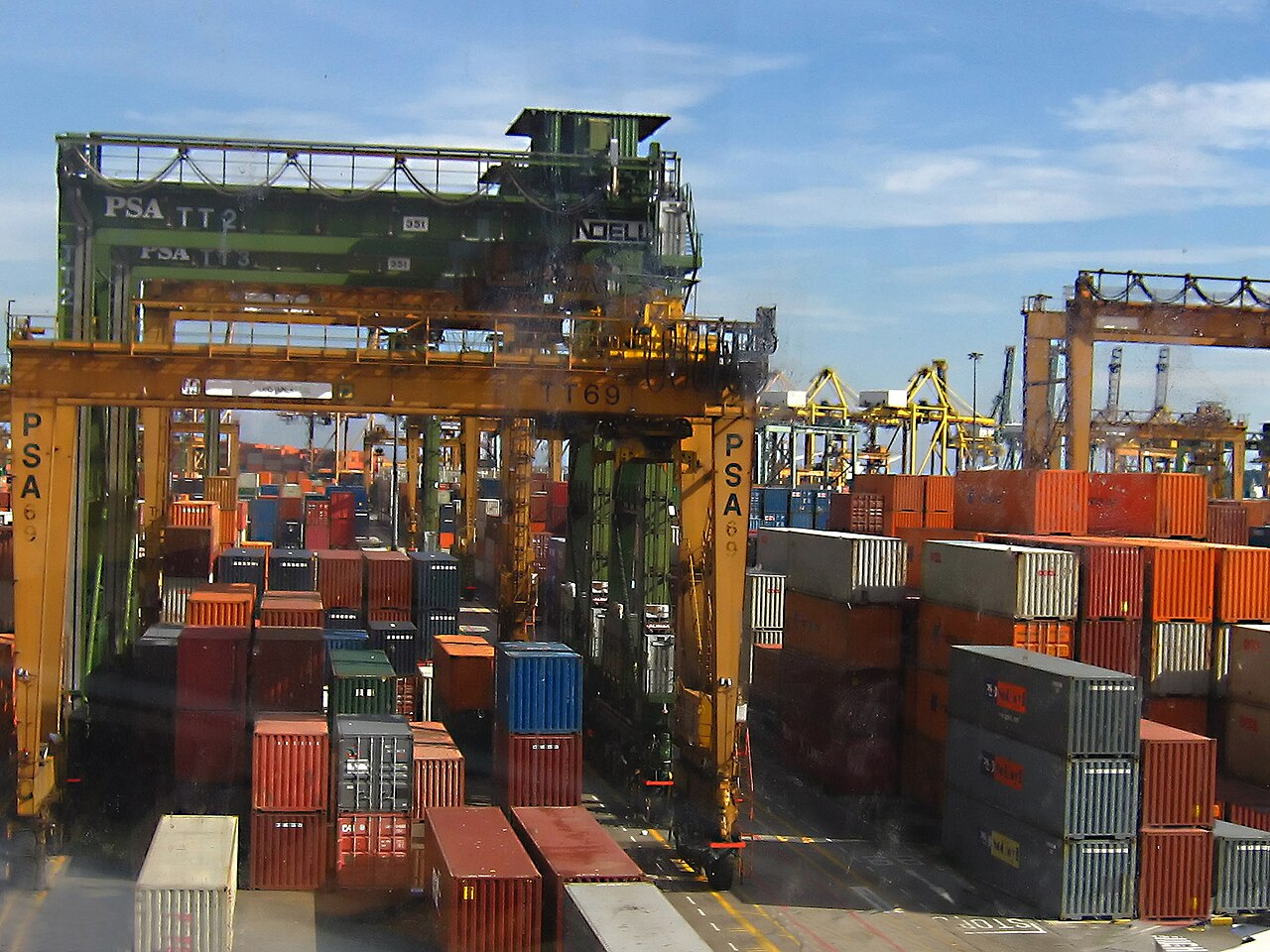
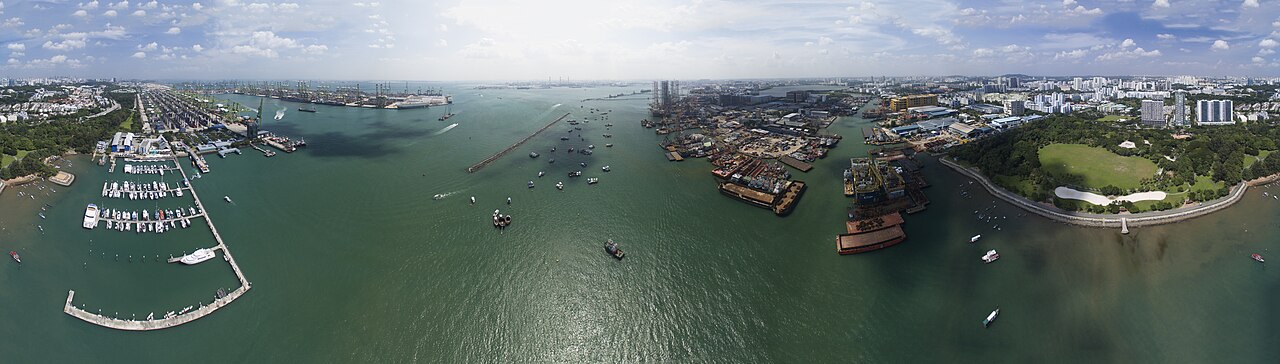
The bill cleared its First Reading on October 6, 2026, and lawmakers are expected to take it up for substantive debate and a Second Reading in November 2026, giving the maritime sector several weeks to review the proposed obligations before they advance further through the legislative process. Singapore ranks among the world’s busiest transshipment and bunkering hubs, meaning any change to licensing or cybersecurity obligations touches a dense ecosystem of pilotage, towage, harbour craft and terminal operators.
The push follows a broader tightening of Singapore’s cybersecurity regime, including a 2024 amendment that extended the Cyber Security Agency’s oversight to overseas-hosted and vendor-run systems supporting essential services. Operators connected to critical infrastructure platforms through data-sharing arrangements, even those not directly designated as critical infrastructure owners, are increasingly expected to account for cyber risk in their own systems under the evolving framework.
Why it matters
Singapore’s port handles one of the highest volumes of transshipment and bunkering traffic in the world, so changes to its licensing and cybersecurity rules set a reference point other major hubs may follow as autonomous vessels and networked port systems become more common. A unified licensing regime and formal cyber obligations could raise compliance costs for smaller marine-service operators while reducing regulatory fragmentation for larger terminal and shipping interests. The bill also signals how port authorities globally are beginning to adapt decades-old legal frameworks to address risks from automation and digital interconnection rather than purely physical port operations.
Source: DataPortuaria