Suez Canal traffic climbed to its highest post-crisis level for a fifth consecutive month in October 2026, as the world’s largest container lines completed a staged return to the waterway after nearly two years of rerouting around the Cape of Good Hope to avoid Houthi attacks in the Red Sea.
Lloyd’s List Intelligence recorded 1,338 transits in October, equivalent to 125.6 million deadweight tons, an 18 percent increase in tonnage over September, while the Suez Canal Authority separately reported 1,490 vessels generating 724 million dollars in revenue, its best month since the crisis began in late 2023.
Monthly Traffic Figures Point to Sustained Rebound
Suez Canal Authority Chairman Admiral Osama Rabie told a roundtable organized by the Egyptian Businessmen Association that October’s 1,490 transits carried a combined net tonnage of 88 million tons, representing year-on-year increases of 32 percent in vessel traffic, 86 percent in net tonnage and 94 percent in revenue compared with October 2025. Lloyd’s List Intelligence data showed the average monthly transit count from January to November 2023, before the mass exodus from the Red Sea, stood at 2,009 vessels, underscoring that the canal remains well below its historical potential despite the recovery.
Container ship transits totaled 426 in October, up from 315 in September and 230 a year earlier, according to Lloyd’s List Intelligence. Activity at the Bab el-Mandeb chokepoint also grew 17 percent in October to 1,363 transits, or 112.3 million deadweight tons, with crude oil traffic through Suez reaching 47.13 million deadweight tons on the back of a rebound in Yanbu crude loadings.
Evergreen, Maersk and Alliance Partners Finish the Shift
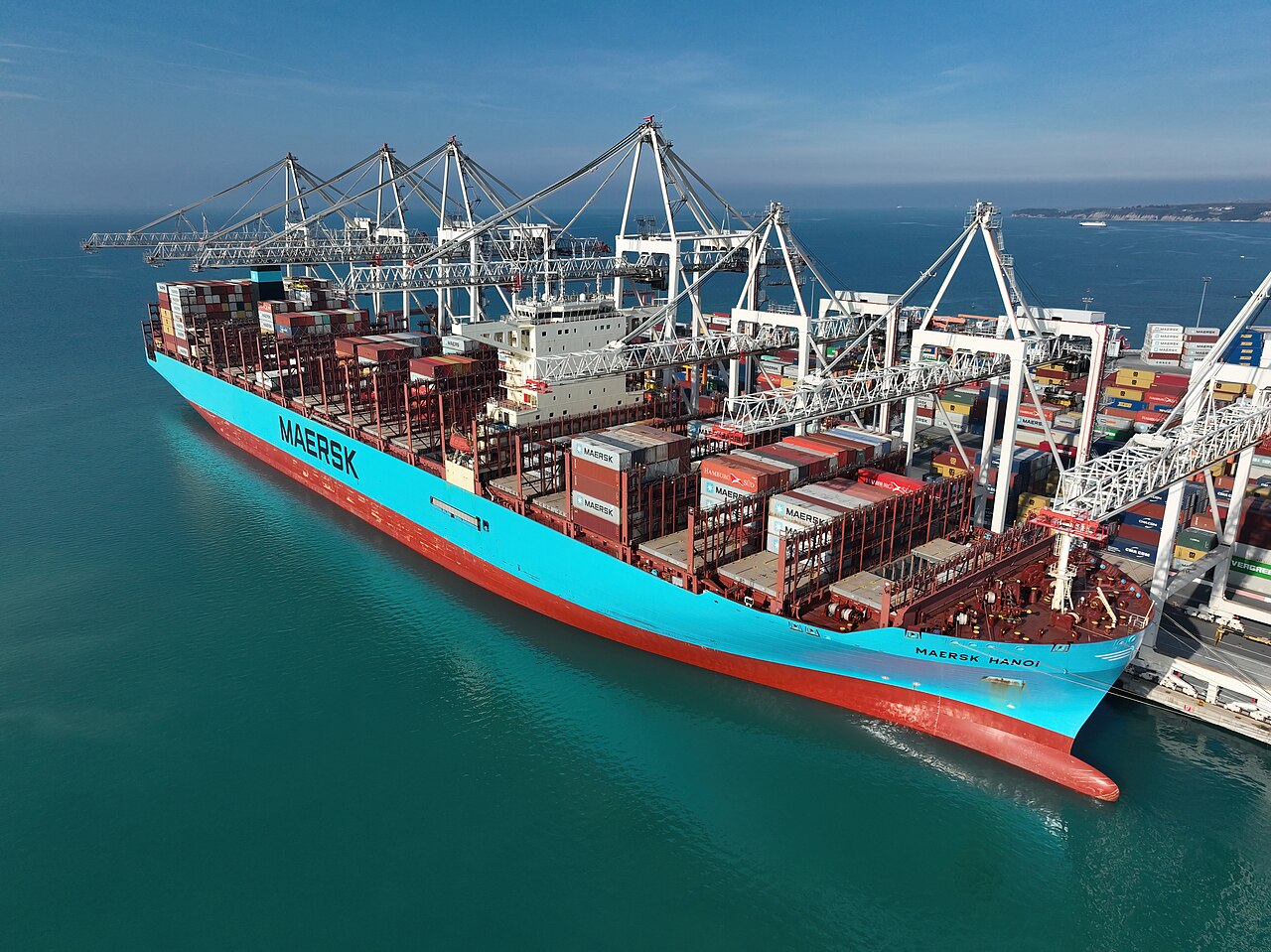
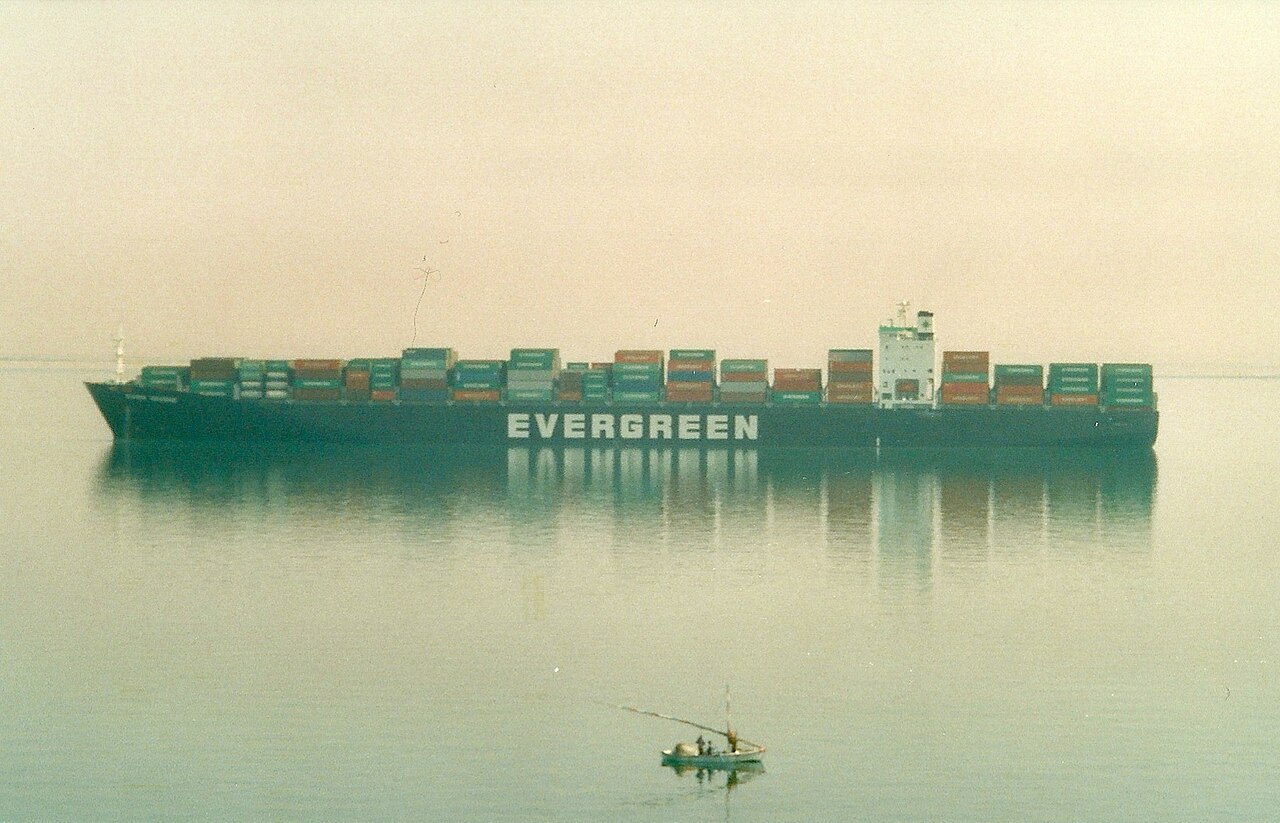
Evergreen’s 20,124-TEU Ever Gifted, the largest boxship yet to make the return transit, crossed the canal on November 16, completing what shipping sources described as the major-carrier resumption of Suez routings. Maersk restored its ME1 service via Suez with a first eastbound sailing on November 13, while the Premier Alliance’s MD1 service switched back to the canal from November 14 and Ocean Network Express made its own transit on November 15, with three further Premier Alliance services due to follow.
Emirates Shipping Line’s CRC service also made its first Suez sailing on November 13. TradeWinds confirmed on November 19 that Zim remains the only major line keeping its own vessels off the Red Sea, while Hapag-Lloyd has indicated its full return will not be complete until early 2027, reflecting a staggered rather than uniform industry shift back to the shorter Asia-Europe routing.
Congestion and Oversupply Risks Emerge
The pace of return has outstripped expectations even as security risks persist: roughly half of all containership transits through the canal in October were made with vessel-tracking systems disabled, a practice known as going dark, reflecting continued operator caution despite the commercial pull of the shorter route. Flexport forecast that Northern European port arrivals in the week of November 16-22 would run at 131 percent of normal capacity, above its 120 percent congestion-risk threshold, as diverted and returning vessel flows converge on regional terminals.
Analysts have flagged that the capacity released by carriers abandoning the longer Cape of Good Hope route, combined with slowing cargo demand, risks pushing container and tanker markets toward oversupply. The Suez Canal Authority has sought to lock in the gains by renewing transit-fee discounts through June 2027, aiming to keep lines committed to the waterway even if the security picture in the Red Sea and Bab el-Mandeb remains unresolved.
Why it matters
The near-complete return of major container lines to the Suez Canal marks a turning point after nearly two years of costly Cape of Good Hope diversions that strained vessel supply and inflated freight rates worldwide. Faster transit times free up tonnage, but the uneven, partly dark nature of the return highlights that underlying security risks from Houthi attacks have not disappeared, leaving carriers to balance cost savings against continued operational caution. For Egypt, the rebound in canal revenue is a significant fiscal boost, while for global shippers it signals a potential easing of the capacity constraints and congestion that have periodically disrupted Asia-Europe trade since late 2023.
Source: Lloyd’s List Intelligence