This week’s news flow underlined how deeply the Ukraine war continues to reshape commercial shipping far from the front lines, even as other conflict-linked disruptions showed tentative signs of easing. Drone strikes hit three vessels near Romania’s Sulina Canal, sank a Greek-managed LPG carrier off Bulgaria, and set a Russian-flagged cargo ship ablaze in the Gulf of Finland, pulling NATO members Romania and Finland further into the maritime fallout of the war. At the same time, Iran and Oman held fresh talks on safeguarding Hormuz shipping corridors, and major container lines completed their return to the Suez Canal after nearly two years of Red Sea avoidance.
Against this backdrop of conflict-driven disruption, Greek shipping had a standout week, topped by a sharp rise in Piraeus-Athens’ global ranking and a string of newbuilding and infrastructure announcements. Meanwhile, ports and labor relations in North America and the UK showed the structural strain facing global logistics networks, from a looming strike threat in Los Angeles and Long Beach to persistent congestion at Felixstowe and London Gateway.
War Spills Further Into Commercial Shipping Lanes
The Black Sea remained a flashpoint, with drones striking three commercial vessels near Romania’s Sulina Canal, including the Greek-flagged tanker Evia Petrol V and bulk carrier Marsol, prompting Romania to scramble fighter jets and secure a French maritime patrol aircraft deployment. Bucharest called the strikes a violation of international law, underscoring how a critical Ukrainian export corridor keeps drawing NATO member states into direct exposure. Within days, the Greek-managed LPG carrier Gas Husky sank in the Black Sea off Bulgaria, with all 19 crew rescued in a multinational operation after what Romanian authorities suspected was a drone strike, the second Black Sea sinking in 24 hours and a direct hit on Greek maritime interests.
Further north, the Russian-flagged cargo ship Sparta II caught fire after a drone strike in the Gulf of Finland, drifting into Finnish waters and prompting Helsinki to warn that the Russia-Ukraine war is increasingly spilling into neighboring states. Taken together, the three incidents show that vessels of varying flags and cargo types are being caught up in the conflict’s maritime spillover, raising insurance, routing and crew-safety concerns well beyond the Black Sea’s immediate approaches.
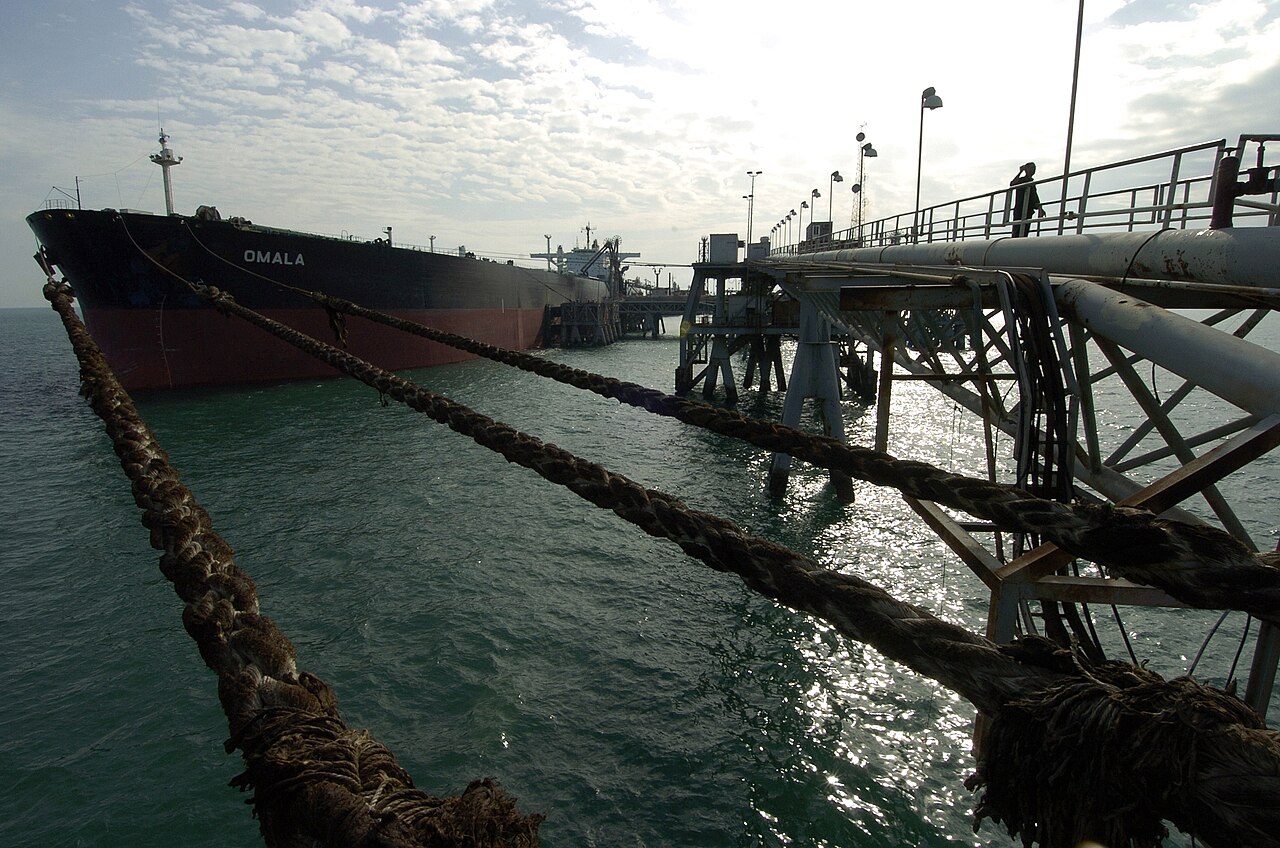
In the Gulf region, Iran and Oman’s foreign ministers discussed safeguarding Hormuz shipping corridors amid the ongoing US naval blockade and continued tanker attacks, though no formal breakthrough emerged after nine months of conflict. The unresolved chokepoint crisis also explains why Washington extended the Jones Act waiver for a further 90 days, the longest such waiver in the law’s history, as foreign-flagged tonnage continues plugging gaps in US coastal fuel logistics tied to Hormuz-related disruption.
Greek Shipping’s Global Standing Reinforced
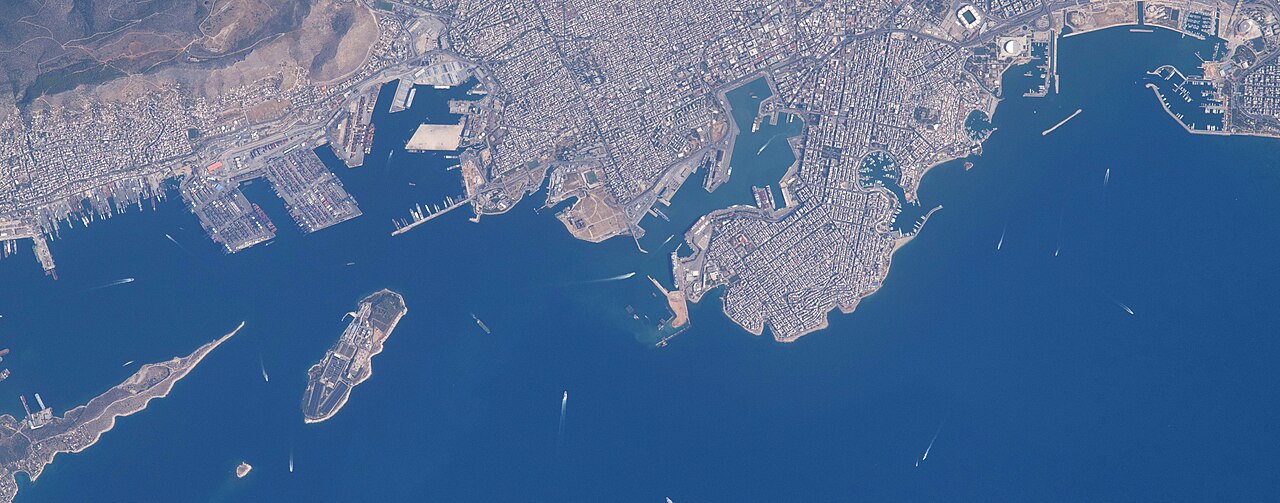
Greek shipping had a week of reinforced global standing, headlined by Piraeus-Athens climbing 22 places to 13th in the Leading Maritime Cities 2026 ranking, with Athens confirmed as the world’s leading shipowning hub by fleet value and capacity, far ahead of second-placed Tokyo. The report’s authors flagged gaps in maritime technology and education infrastructure as areas Greece still needs to address relative to rivals such as Singapore and Shanghai.
Piraeus itself featured repeatedly: Neptune Group marked its 50th anniversary by welcoming the PCTC Nikos Travlos and expanding its Genesis Project newbuilding programme to ten vessels, with Minister Vassilis Kikilias praising the Greek-flag registration, while Hong Kong and the Piraeus Port Authority signed the first European green shipping corridor tied to COSCO’s broader Asia-Europe fuel supply chain. On the water, a captain was arrested after a supply tanker struck a moored tugboat in Piraeus during a bunkering departure, a reminder of operational risk even as the port authority manages a mixed financial year.
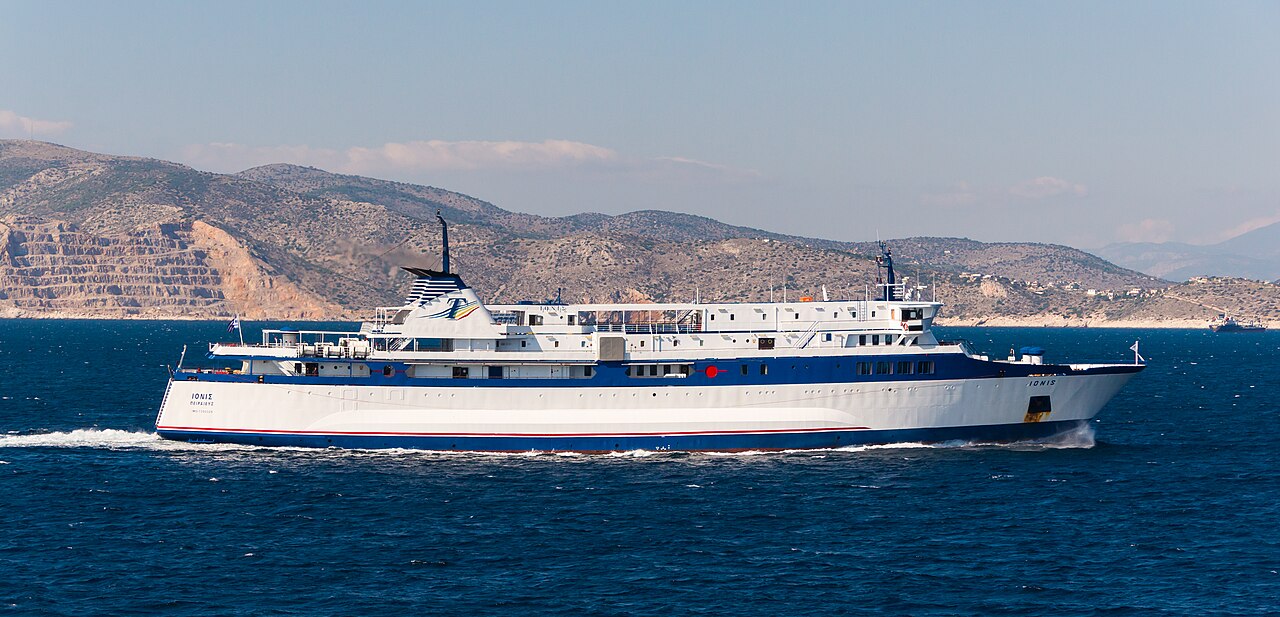
Elsewhere in the Greek fleet, Maran Tankers took delivery of the Maran Myron, the sixth of eight LNG dual-fuel Suezmax tankers in the Angelicoussis Group’s newbuilding programme, continuing a sector-wide push toward dual-fuel tonnage ahead of IMO talks. On the policy side, Athens also moved to shore up domestic connectivity with a new €32 million fuel subsidy for ferry operators, bringing total state support for coastal shipping to €92 million this year.
Port Congestion and Labor Tensions Test Global Supply Chains
Port operations on both sides of the Atlantic showed signs of strain. In the UK, Maersk repeatedly closed and reopened London Gateway and Felixstowe to empty container returns, a cycle of suspensions running since late October that points to structural yard capacity problems rather than a one-off event, just as 2027 contract talks approach. In the US, a contract covering roughly 250 security watchmen at the ports of Los Angeles and Long Beach expired without agreement, raising the risk that other dockworkers could honor picket lines and halt operations at the terminals handling the bulk of the complex’s cargo during the peak holiday shipping window.
Labor relations fared better in Canada, where the Port of Halifax reached a tentative three-year agreement with the ILA following a similar settlement at Montreal, part of a federal push for longshore stability ahead of West Coast Canadian talks. In Houston, a ship pilot was indicted on a seaman’s manslaughter charge over a fatal 2024 channel collision, an unprecedented criminal case highlighting scrutiny of bridge conduct and personal device use in congested waterways.
On the infrastructure side, a Louisiana judge dismissed a lawsuit seeking to block financing for a $400 million Mississippi River dock serving the Hyundai-POSCO steel project, while Silvi Materials won approval to build a deep-water cement import terminal at the Port of Wilmington, part of a broader pattern of US ports courting bulk commodity investment.
Fleet Renewal, Fuel Infrastructure and the Suez Canal Recovery
Newbuilding activity remained robust, led by COSCO Shipping Development’s order for 16 VLCCs worth $2.01 billion from China State Shipbuilding Group, one of the largest single tanker contracts of the year and part of a roughly 40-ship COSCO fleet-renewal push. Alternative fuel infrastructure also advanced, with Germany completing its four-terminal floating LNG programme at Stade to bolster winter gas security, and Singapore opening a licensing round for LNG floating storage units to support its position as the world’s largest bunkering port.
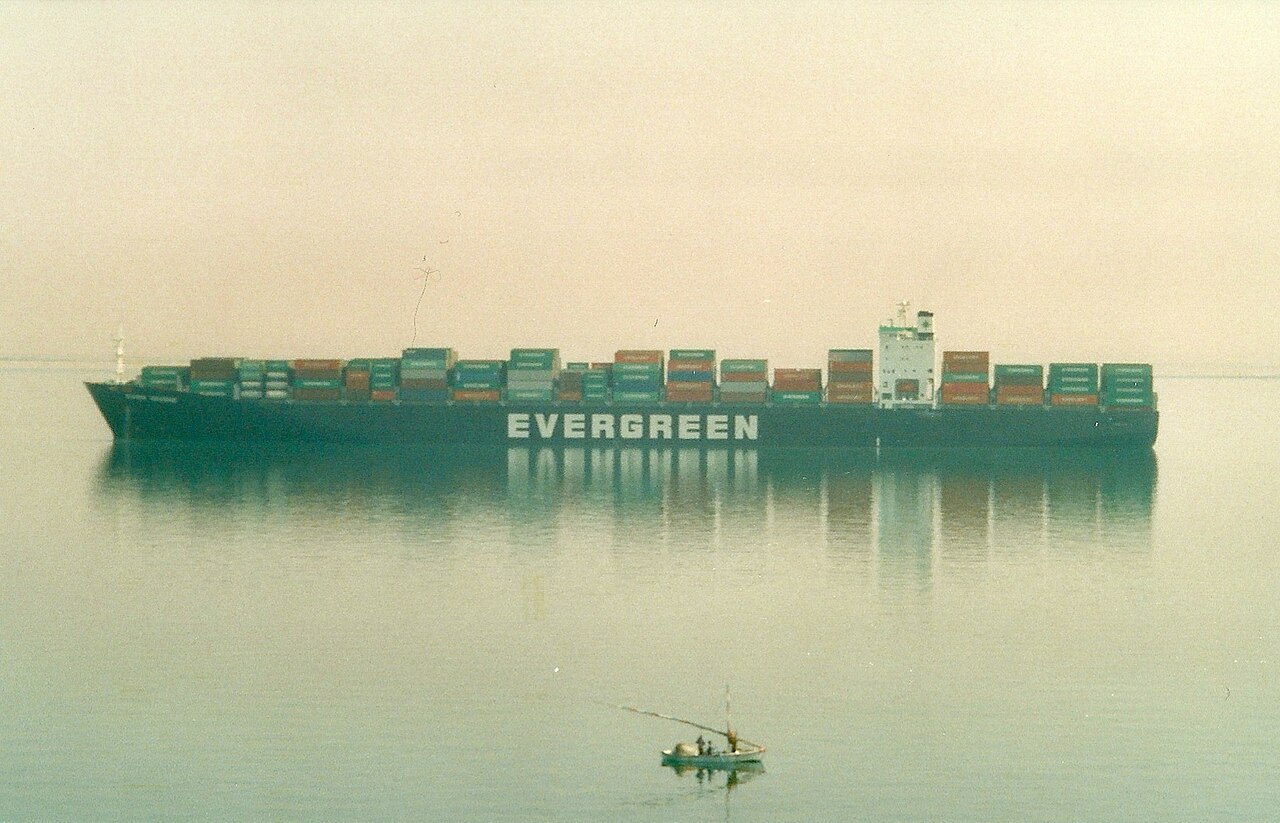
The most consequential development may be Suez Canal traffic hitting a fifth consecutive monthly record as Evergreen, Maersk and other major carriers completed their staged return from Cape of Good Hope diversions. Analysts flagged that roughly half of container transits still sailed with tracking systems disabled, and that the released capacity, combined with slowing demand, risks pushing container and tanker markets toward oversupply even as Egypt’s canal revenue rebounds sharply.
What to watch next week
Next week will show whether the Los Angeles-Long Beach watchmen dispute escalates into a broader work stoppage during the critical pre-holiday shipping window, and whether Halifax’s tentative labor deal is ratified ahead of West Coast Canadian negotiations. In the Black Sea and Baltic, further drone incidents near Sulina and the Gulf of Finland would test NATO’s collective response mechanisms, while any formal outcome from Iran-Oman talks on a Hormuz navigation corridor would be closely watched by tanker owners and insurers still pricing in war-risk premiums.
On the commercial side, continued congestion cycles at Felixstowe and London Gateway bear watching ahead of 2027 carrier contract talks, as does the pace of the Suez Canal’s rebound against warnings of container and tanker oversupply, and Hapag-Lloyd’s and Zim’s remaining steps back to Red Sea routing.