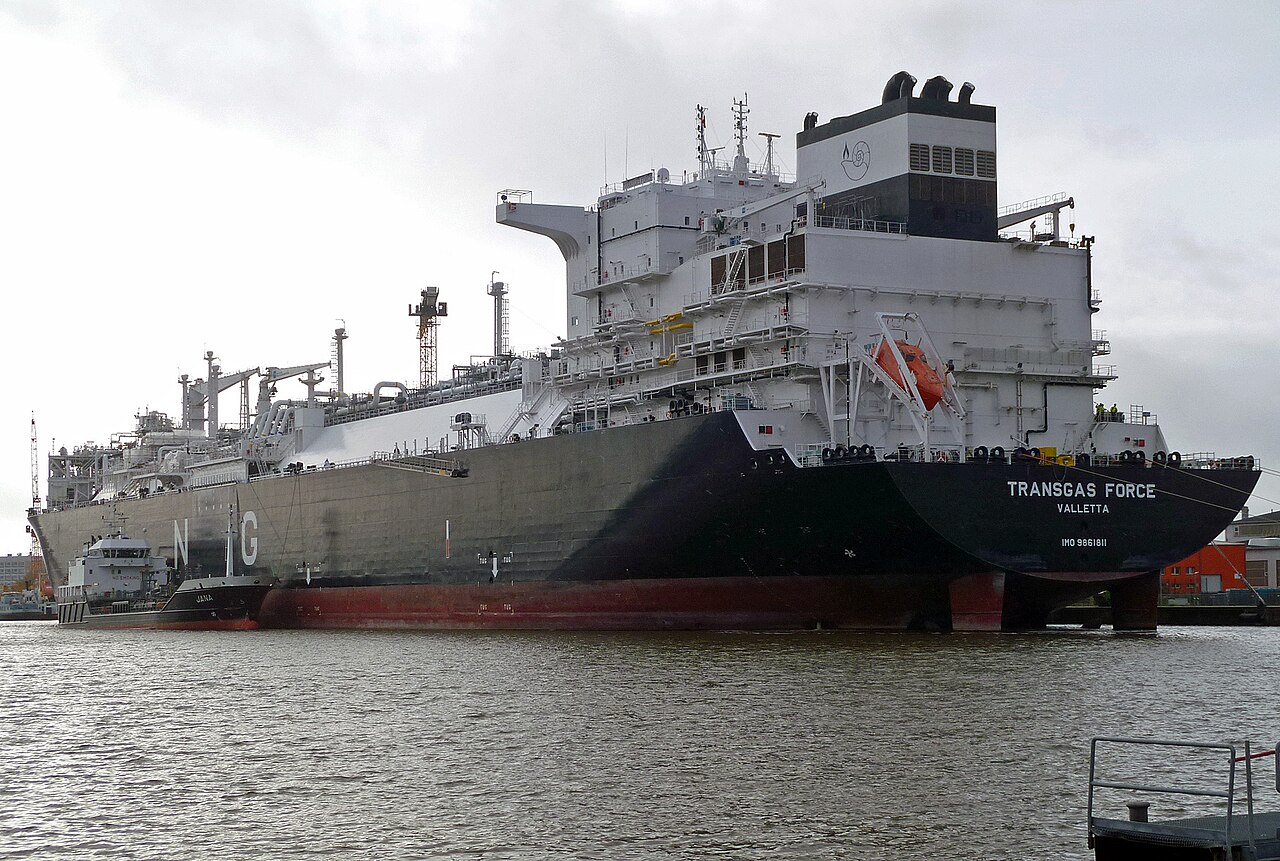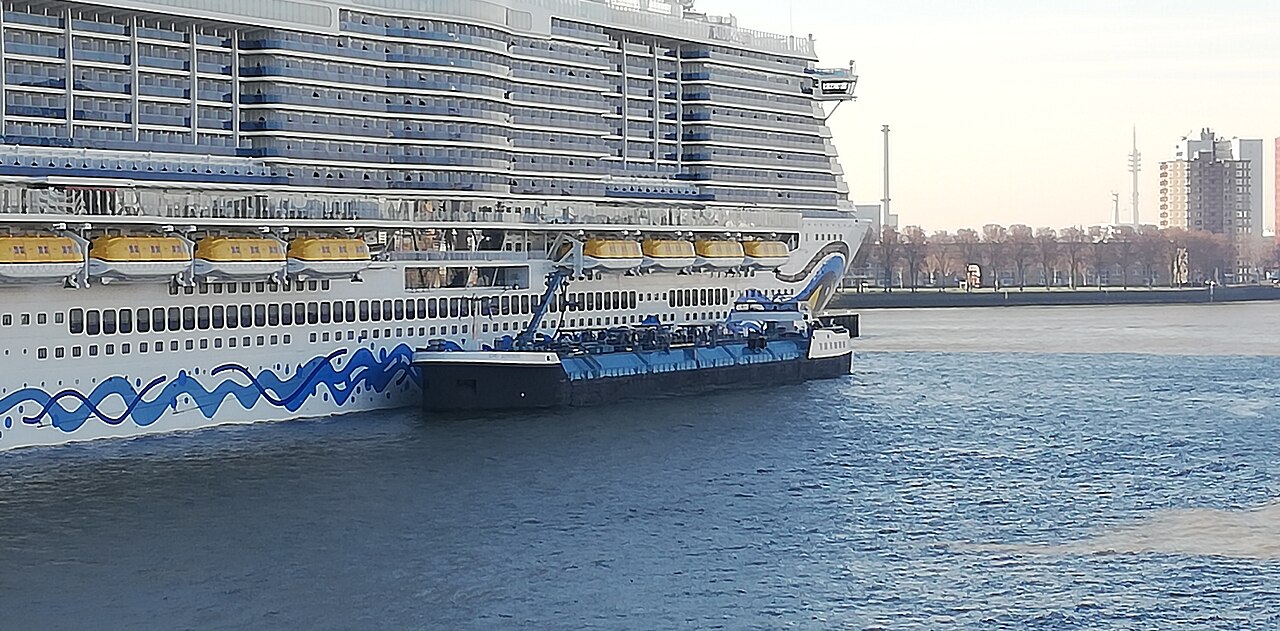
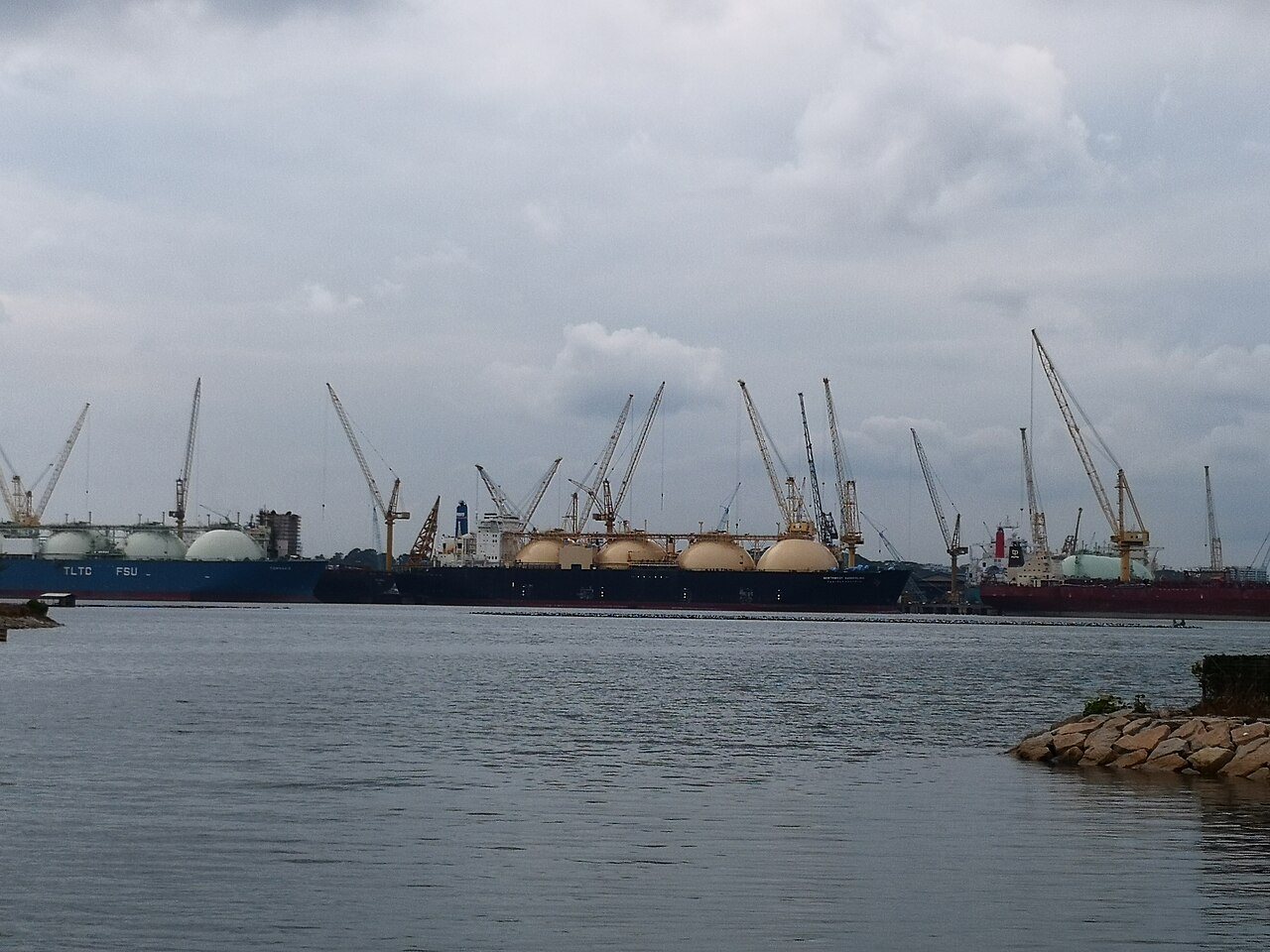
The Maritime and Port Authority of Singapore (MPA) has opened applications for licences to operate up to two liquefied natural gas floating storage units (FSUs) in the port’s anchorages, the authority said. The call, issued on November 12, is intended to diversify LNG storage and reloading options as the city-state’s bunkering market expands.
Each licence will run for five years, and applications are open only to companies already holding LNG bunker supplier licences, who may partner with third-party terminal operators for storage expertise. MPA set a deadline of February 4, 2027 for submissions and will hold a briefing for interested applicants on December 4.
Follow-On to July Supplier Awards
The FSU tender follows MPA’s award of eight new LNG bunker supplier licences in July 2026, a move that expanded the field beyond the three incumbents that had served the market for years. The authority said the floating storage units are meant to complement that broader supplier base by giving operators more flexibility in sourcing and reloading cargo rather than relying solely on fixed onshore terminal capacity.
Before the July awards, Singapore’s LNG bunkering market was served by three licensed suppliers. The expansion reflects steady growth in demand for the fuel among owners operating dual-fuel vessels, as LNG remains one of the more established alternative fuels available at scale in Asian bunkering hubs.
Capacity and Compliance Requirements
Applicants must own or charter at least one FSU with a minimum storage capacity of 130,000 cubic metres, registered with the Singapore Registry of Ships, and meeting MPA’s safety and operational standards. Most of each unit’s capacity must be allocated to LNG bunkering, with a minimum share reserved for access by other licensed suppliers on open terms, preventing any single operator from monopolising reloading slots.
Operators will also be required to disclose to MPA the maximum fees they intend to charge for LNG reloading services, a transparency measure aimed at keeping costs predictable for bunker buyers. The units must additionally hold ISCC-EU certification, enabling them to handle bio-LNG and e-LNG alongside conventional LNG as lower-emission variants reach the market.
Market Context
Singapore remains the world’s largest bunkering port, and LNG sales there rose 23.1 percent year-on-year in 2025, reaching 571,400 tonnes, according to Ship & Bunker’s analysis of MPA data. The FSU licensing plan was first flagged by MPA at October’s Singapore International Bunkering Conference, when the authority said it would invite applications before year-end.
The move comes as shipowners continue to add LNG dual-fuel tonnage to orderbooks across tanker, container and bulk segments, sustaining demand for reliable bunkering infrastructure in major Asian hub ports. Additional floating storage capacity would give suppliers more flexibility to manage cargo logistics without being constrained by fixed terminal throughput.
Why it matters
The licensing round signals Singapore’s effort to lock in its position as the leading LNG bunkering hub as global dual-fuel newbuilding orders continue to rise. Additional floating storage capacity reduces the risk of supply bottlenecks that could otherwise slow bunkering turnaround times for LNG-fuelled vessels transiting one of the world’s busiest shipping lanes. The ISCC-EU certification requirement also positions Singapore to supply bio-LNG and e-LNG as shipowners face tightening IMO and EU emissions rules, giving the port an early foothold in lower-carbon marine fuel distribution.
Source: Ship & Bunker