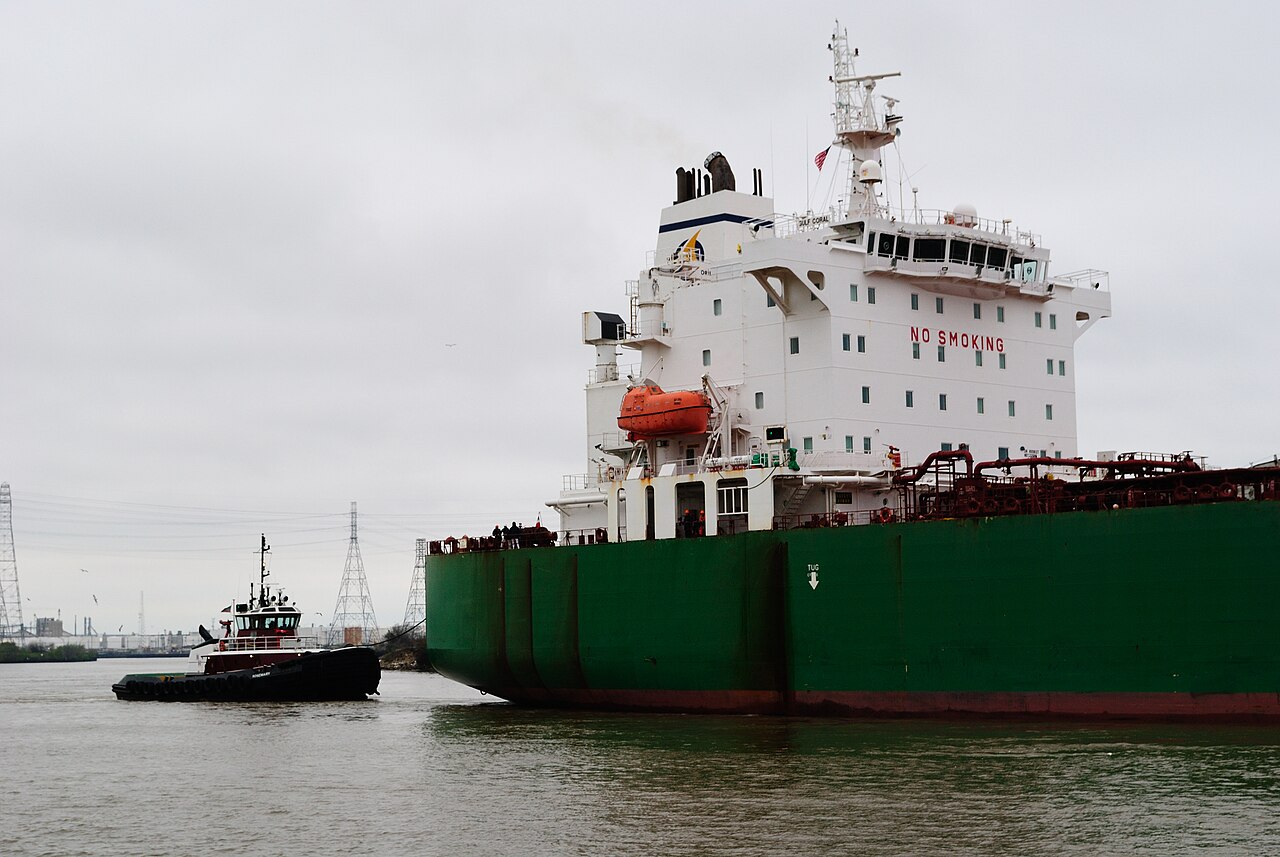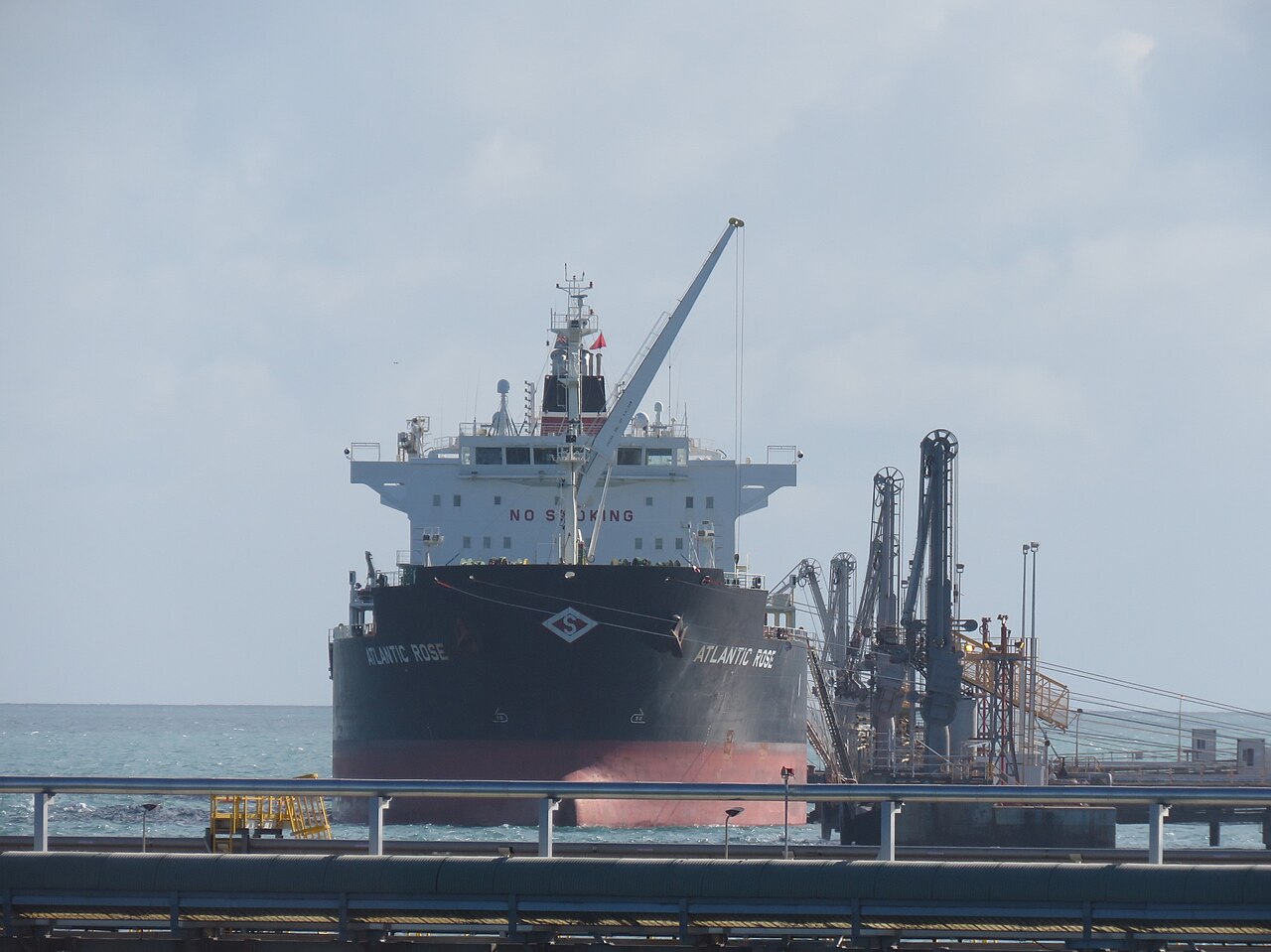
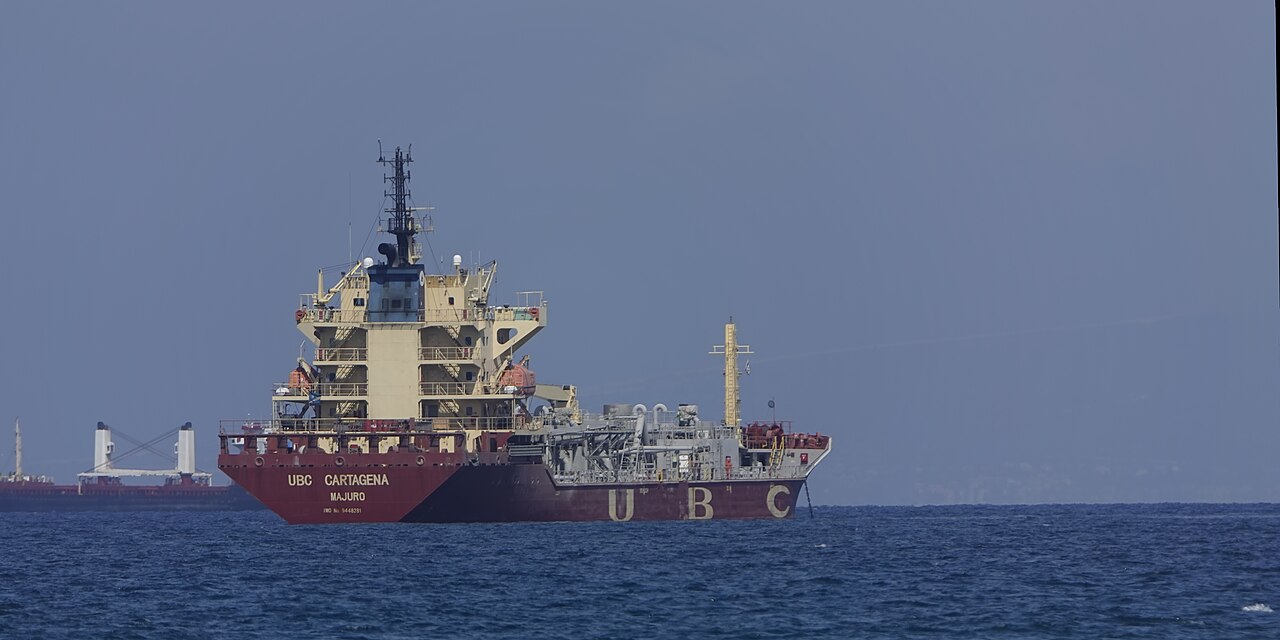
Silvi Materials announced on November 16 that its proposal to develop a deep-water cement import terminal at the Port of Wilmington, North Carolina, has been accepted by the North Carolina State Ports Authority. The facility will be designed to receive large ocean-going bulk vessels and distribute cementitious materials by truck and rail to customers across the southeastern United States.
The Wilmington terminal will feature a 100,000-ton storage dome, a pneumatic ship unloader, two rail loadouts and four truck loadouts, with direct access to the CSX rail network. The company has not disclosed the project’s investment cost or a commissioning timetable.
Rail-Linked Bulk Capacity Expansion
The Wilmington project complements a terminal Silvi is developing at North Carolina’s Port of Morehead City, which will include two 100,000-ton storage domes and a connection to the Norfolk Southern network. Together the two sites will give the company access to separate major rail networks, broadening its distribution reach across the region.
North Carolina Ports Executive Director Brian Clark said the project would enhance the region’s access to essential construction materials and support continued growth across the state. The addition of a second deep-water bulk cement facility strengthens Wilmington’s position alongside other East Coast ports competing for growing bulk commodity volumes tied to construction activity.
Company Expansion Strategy
The Wilmington selection follows Silvi’s 2025 acquisition of Eagle Rock Concrete, which operates nine ready-mix plants in the Raleigh-Durham market, and the company’s opening of a Southeast regional headquarters in Raleigh on November 1. The new import terminal builds on Silvi’s existing cement import operations in Bristol, Pennsylvania, extending its supply chain further south.
Laurence J. Silvi II, Co-President of Silvi Materials, said the investment reflected the company’s confidence in the region and its commitment to building a supply network able to support customers for decades. He said the combination of the Morehead City and Wilmington facilities, each linked to a different railroad, would let the company reach more customers and strengthen supply reliability.
Regional Construction Demand
Cement import terminals have become a focal point of investment along the US East and Gulf coasts as regional construction activity outpaces domestic production capacity in several states. North Carolina’s population and infrastructure growth have increased demand for imported cementitious materials, and ports along the Atlantic seaboard have sought to attract bulk terminal operators to diversify cargo mixes beyond containers.
No construction timeline or cost figures have been released for the Wilmington facility, and the project remains subject to further development steps at the port. The terminal’s eventual commissioning would add a new category of recurring bulk vessel calls to Wilmington’s cargo profile, alongside its existing container and breakbulk business.
Why it matters
The project adds a new deep-water bulk import facility to the US East Coast’s construction supply chain, diversifying the Port of Wilmington’s cargo base beyond containers and breakbulk trade. For Silvi Materials, pairing rail-linked terminals at Wilmington and Morehead City creates redundancy across two major railroads, reducing exposure to single-corridor disruptions. The investment also reflects a broader pattern of US ports courting bulk commodity terminal operators to capture growth tied to regional construction demand.
Source: Global Cement