Oman and Iran discussed on Tuesday safeguarding maritime corridors and ensuring the smooth flow of global shipping and trade, as well as revitalising channels for dialogue to prevent further escalation, the Omani foreign ministry said in a statement.
The talks took place during a visit by Iran’s Foreign Minister Abbas Araqchi to Oman, which holds the southern coast of the Strait of Hormuz and has played a mediating role in the crisis that broke out when the United States and Israel struck the Islamic Republic on February 28.
Visit Comes Amid Rising Tanker Attacks
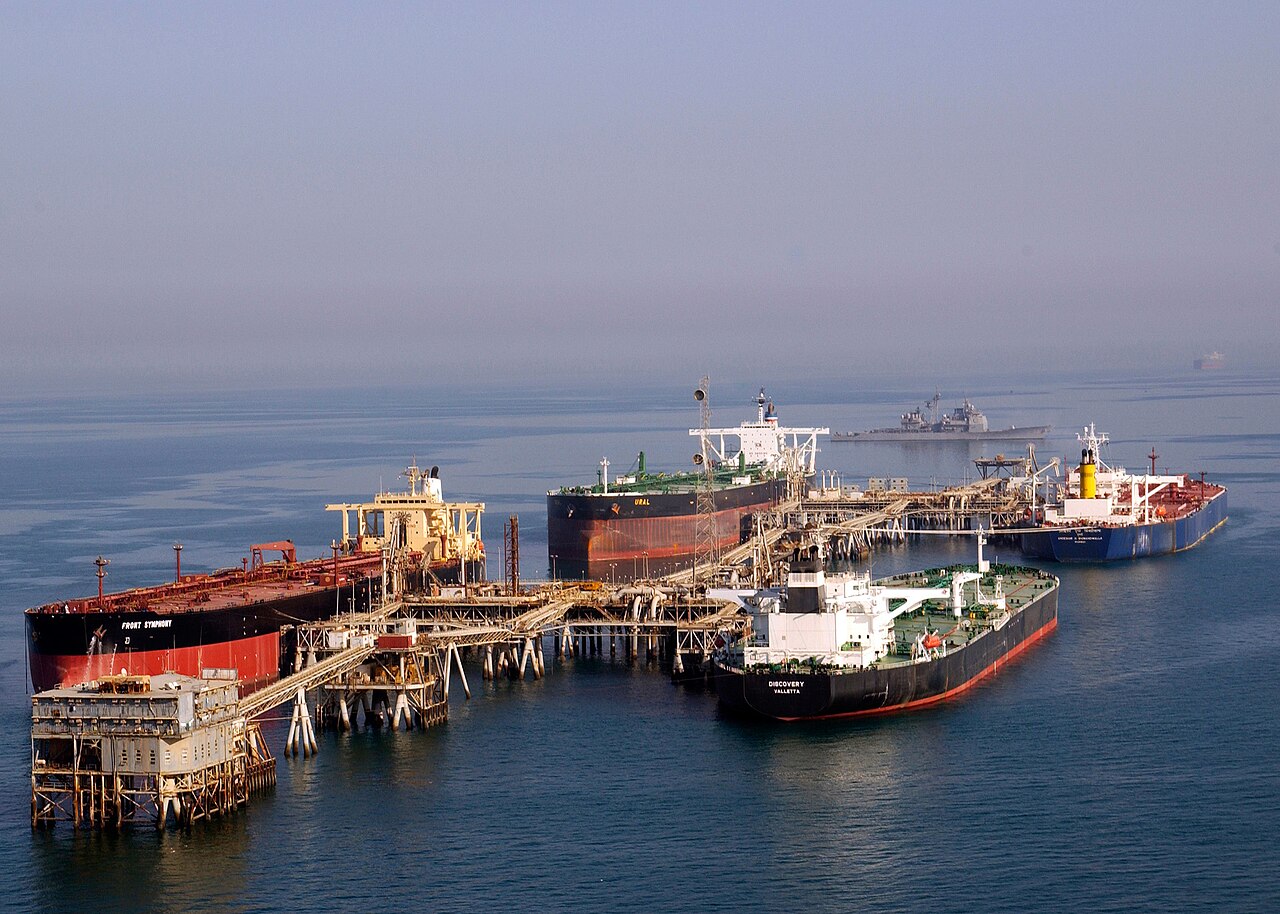
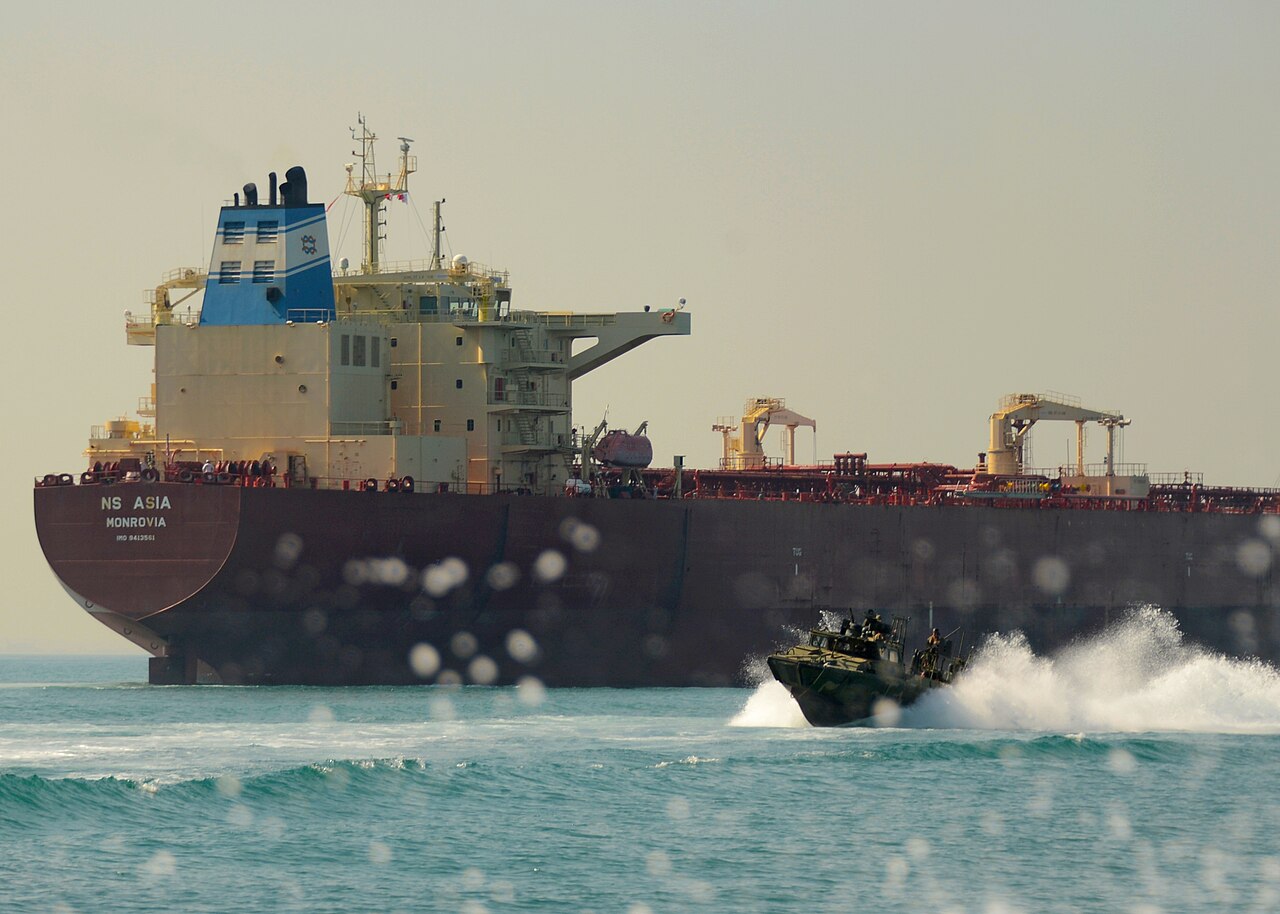
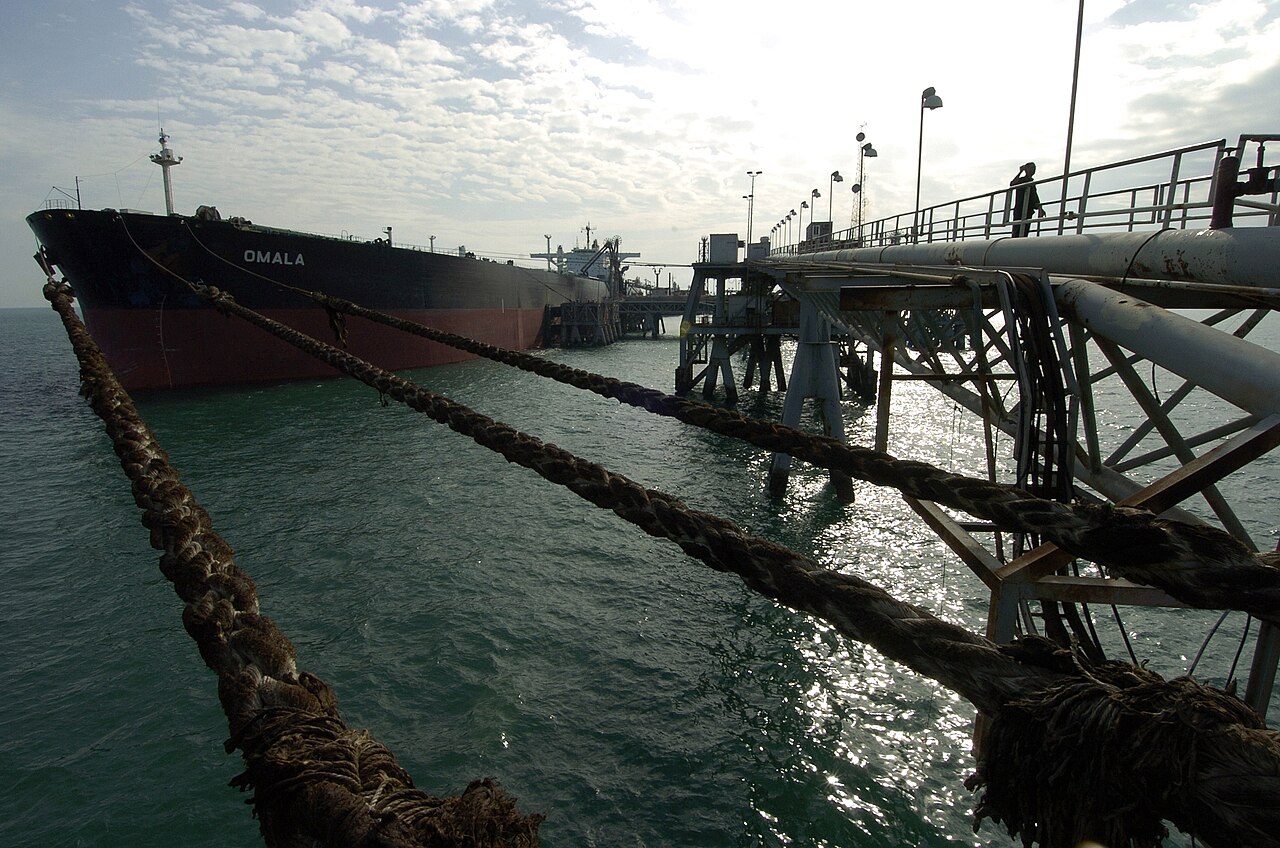
The visit comes against the backdrop of increased attacks on tankers in the strait as Tehran continues to disrupt shipping in the vital waterway while Washington maintains a naval blockade on Iran in response. The chokepoint carried roughly one-fifth of global energy supplies before the conflict erupted, and its disruption has forced tanker operators to reroute or suspend voyages through one of the world’s most strategically important oil and gas corridors.
Iran’s Deputy Foreign Minister Kazem Gharibabadi had previously indicated that any temporary transit arrangement would route inbound traffic entering the Persian Gulf from the Gulf of Oman through Iranian waters, with outbound traffic passing through waters belonging to either Iran or Oman. Oman’s Foreign Minister Badr al-Busaidi has referenced Article 5 of the now-defunct Islamabad Memorandum, the interim peace framework signed by the United States and Iran in June, as the basis for discussions on future management of the strait.
Nine-Month Conflict Still Unresolved
The Strait of Hormuz remains a sticking point in negotiations aimed at ending the nine-month-old war between the United States and Iran, which have not yet yielded a breakthrough. Earlier rounds of Iran-Oman diplomacy produced proposed frameworks for a temporary joint navigation corridor and a joint mine-clearing project in the waterway, though none has been formally implemented.
Araqchi’s trip to Muscat follows Iranian state media reports that he would meet his Omani counterpart to discuss arrangements for restoring safe and uninterrupted navigation through the strait. Iran has previously linked any restoration of commercial shipping to the broader negotiations with Washington, while insisting on retaining a role in governing navigation through the waterway.
Market and Operational Fallout
The prolonged disruption has reshaped regional shipping patterns, with owners and charterers diverting tonnage away from Gulf routes and freight rates for vessels willing to transit the strait rising sharply. Shadow-fleet and sanctioned tankers have continued operating in the area despite the risks, while mainstream operators have scaled back exposure amid the US naval blockade and reported mine strikes.
Gulf energy exporters, including Saudi Arabia, the UAE and Qatar, have faced continued uncertainty over export logistics as the chokepoint’s status remains unresolved. Any durable agreement on a navigation corridor would be closely watched by tanker owners, insurers and energy traders who have had to price in elevated war-risk premiums since the conflict began in February.
Why it matters
The Strait of Hormuz is one of the world’s most critical energy chokepoints, and its continued disruption has forced tankers to reroute, driven up freight and insurance costs, and introduced sustained volatility into global oil and gas markets. Renewed Iran-Oman dialogue signals a potential diplomatic opening after months of naval blockade and tanker attacks, but the lack of a formal breakthrough means shipowners, insurers and energy traders must continue operating under heightened war-risk conditions in the Gulf. Any eventual corridor agreement would have direct implications for VLCC and LNG carrier routing, charter rates and regional maritime security arrangements.
Source: Reuters