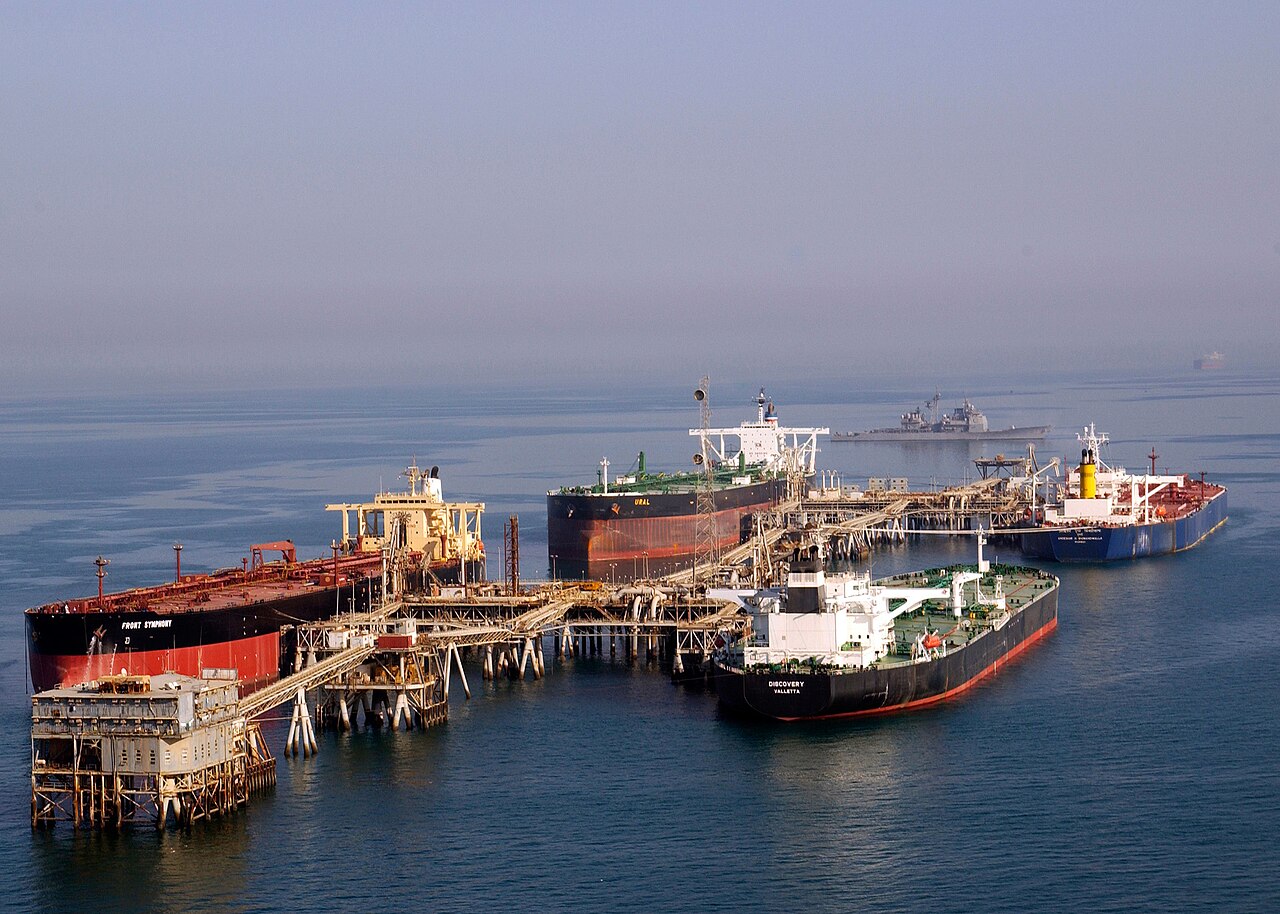
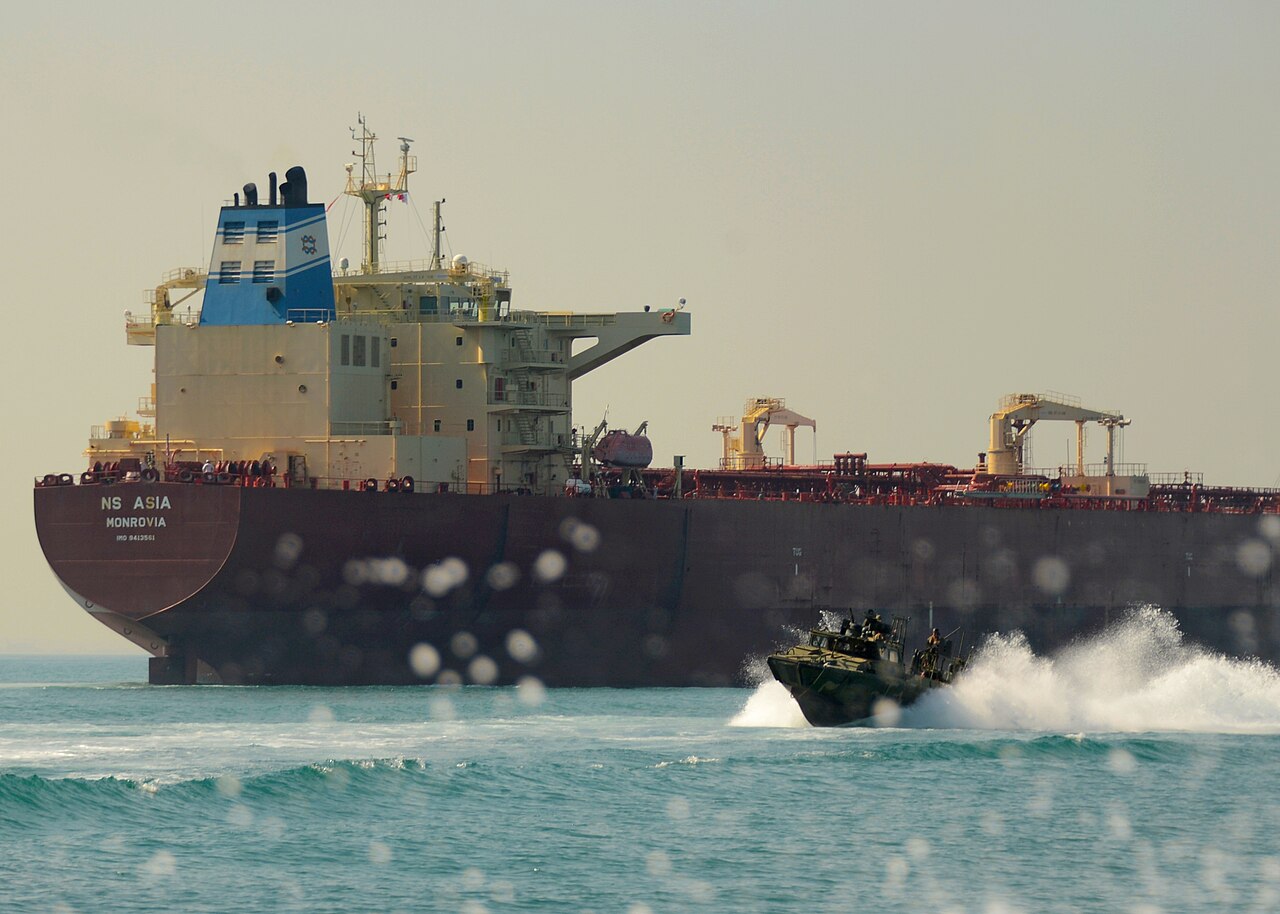
Iran’s Islamic Revolutionary Guard Corps Navy said early Sunday that two oil tankers struck naval mines and caught fire south of the Strait of Hormuz, while the country’s regular Armed Forces Navy separately reported a third tanker hit a mine and stopped after a fire broke out east of the waterway. The statements, carried by Iranian state broadcaster IRIB, did not name the vessels or report casualties.
Iranian naval forces said the tankers had switched off their navigation and automatic identification systems and were attempting to transit what Tehran calls an unauthorized route through the strait’s southern approaches. The claims follow a similar announcement by the Revolutionary Guard two days earlier describing two other tankers striking mines in the same area, part of a pattern of incidents Iranian forces have reported in recent weeks without independent confirmation from international maritime security monitors.
Unconfirmed Claims Mount Since Ceasefire
The latest reports add to a string of mine-strike claims Iranian forces have issued since a ceasefire ended the US-Israel war on Iran in April, following strikes that began February 28. Iran’s armed forces have repeatedly said vessels moving through restricted zones east and south of Hormuz have struck mines and caught fire, often describing the ships as violating navigation warnings issued by the IRGC’s Naval Traffic Control Centre.
No maritime security authority has independently verified the mine strikes reported this weekend, and the Iranian statements have given varying tallies, with Tehran’s cumulative count across its announcements reaching four vessels. The Revolutionary Guard’s navy stated that any tanker entering the restricted area east of the strait would be set ablaze by striking a mine, underscoring Iran’s continued insistence on enforcing its own navigation boundaries in the waterway.
Toll on Seafarers and Vessel Traffic
The United Nations has said 25 seafarers have been killed in and around the Strait of Hormuz since the war on Iran began, a toll reflecting the sustained danger to merchant crews transiting the corridor despite the April ceasefire. Tracking data showed roughly 50 AIS-visible vessels holding position away from berths within the Hormuz and wider Gulf watch box as of Saturday night, a figure that excludes ships already close to a working port.
Iran has designated sections of the strait’s eastern and southern approaches as unsafe or prohibited zones, warning vessels to keep tracking systems active or risk being treated as violators. Shipowners and charterers have had to weigh those warnings against commercial pressure to keep tankers moving through one of the world’s most critical oil chokepoints, through which roughly a fifth of global oil consumption typically passes.
Gulf Oil Flows Still Strained
Global oil markets are beginning to recover from the broader Iran war, but shipping through the Strait of Hormuz remains severely disrupted, with vessel traffic patterns still reflecting elevated risk months after the ceasefire took hold. Tanker owners and insurers continue to price in war-risk premiums for Gulf transits, and the latest mine-strike claims are likely to reinforce that caution among operators moving crude and products through the strait.
The incidents come as Washington and Tehran continue negotiations over navigation rights through Hormuz, with the waterway remaining a central point of friction in talks. Continued reports of mine strikes, even where unverified, add to the risk calculus for charterers and underwriters assessing whether to route tonnage through the strait or seek alternative, costlier paths for Gulf crude and refined product cargoes.
Why it matters
The Strait of Hormuz remains the world’s most critical oil chokepoint, and recurring Iranian claims of mine strikes on tankers, even unverified, sustain war-risk premiums, insurance costs and operational caution for shipowners months after the formal ceasefire. Continued danger to seafarers, with the UN citing 25 deaths since the war began, underscores the human cost layered atop the commercial disruption. Any further escalation or confirmed incident could prompt renewed rerouting of crude flows and tighter naval escort arrangements through the corridor.
Source: Anadolu Agency (AA)