The week brought a sharp reminder that the Strait of Hormuz remains an active conflict zone for commercial shipping, even as Greek owners doubled down on newbuilding investment across tankers, gas carriers and, for the first time, dry bulk. Away from the Gulf, a cluster of collisions and cruise-ship controversies tested operators and regulators on several continents, while behind the scenes sanctions diplomacy, a Panama Canal recovery and a ransomware attack on Maersk underscored how commercial, political and cyber pressures continue to intersect across the industry.
Taken together, the week’s stories show a shipping sector operating on two tracks at once: owners committing record capital to fleet renewal on the strength of strong freight markets, even as security, safety and regulatory risks multiply in chokepoints and ports from Hormuz to the Mississippi.
Strait of Hormuz Remains a War Zone for Tankers
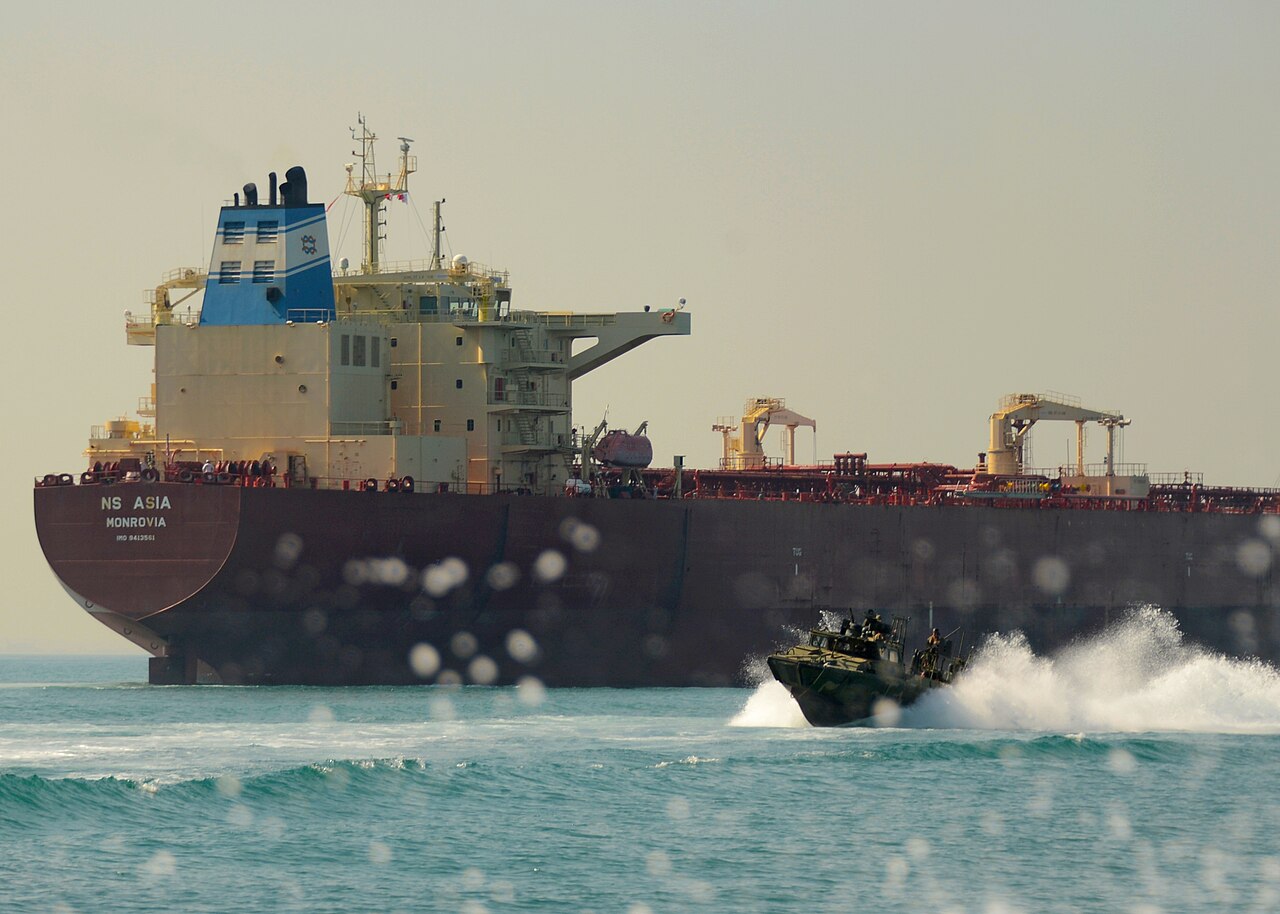
The Strait of Hormuz saw renewed violence this week, with the ADNOC-chartered tanker Navig8 Messi set ablaze roughly eight nautical miles off Khasab in what maritime security monitors tallied as the fifth reported attack off Oman’s Musandam coast since November 1. The product tanker had already been struck by drones in August alongside the Aframax Tarif, and its second hit after returning to the same trade lane underscores how specific charterers and vessels appear to remain recurring targets. A separate vessel was also reported hit by a projectile the same day, while CENTCOM confirmed it directed crew off a different ship ahead of a strike it carried out, pointing to a multi-sided confrontation playing out in the waterway.
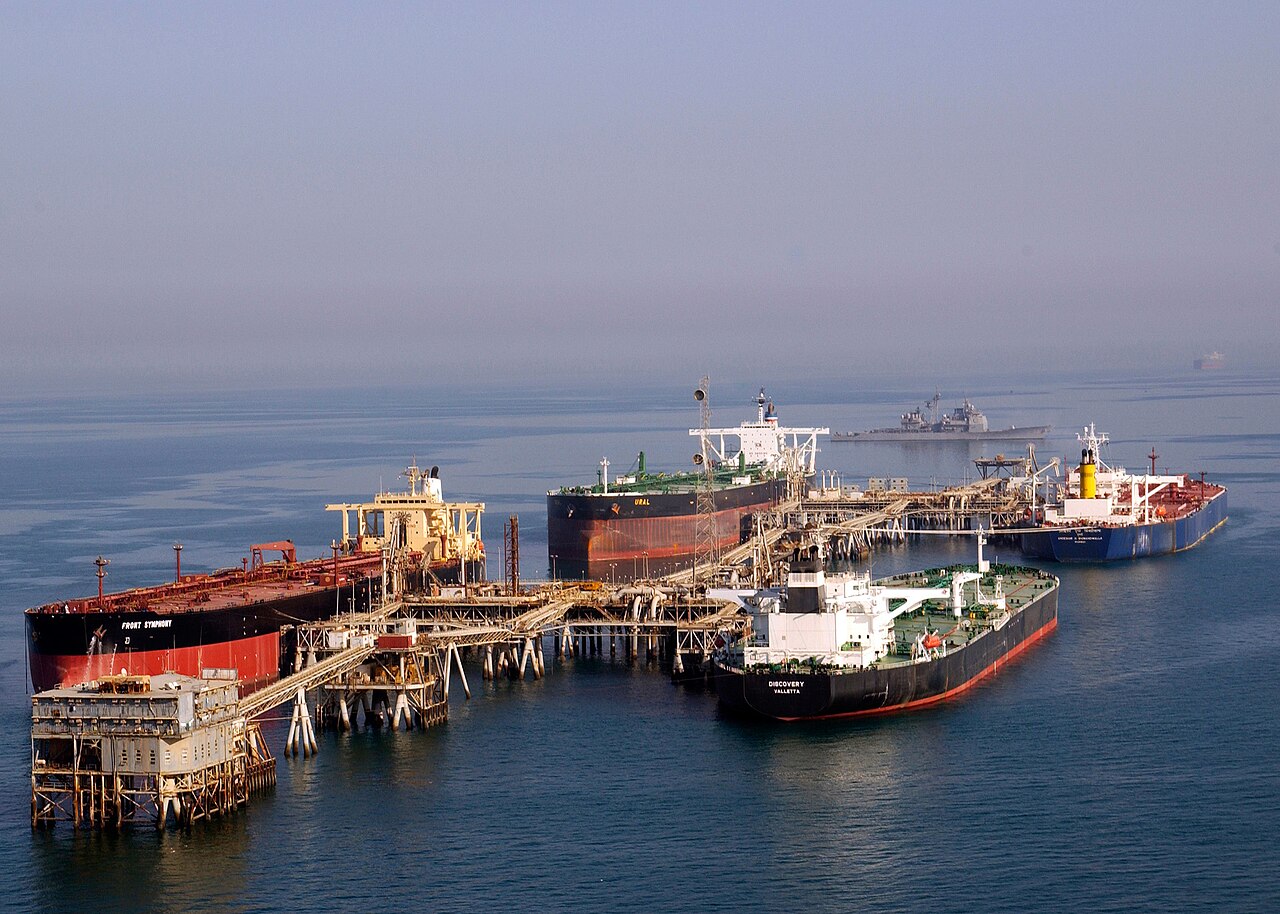
Iran’s navy added to the uncertainty by claiming that three oil tankers struck naval mines near the Strait of Hormuz, part of a pattern of unverified incidents Tehran has reported since the ceasefire that ended the US-Israel war on Iran. The United Nations has said 25 seafarers have been killed in and around the strait since the conflict began, a toll that illustrates the human cost layered on top of commercial disruption. With roughly a fifth of the world’s seaborne crude and LNG normally passing through the corridor, continued strikes and mine claims keep war-risk premiums elevated and complicate transit planning for owners and charterers alike.
These Hormuz developments also help explain a separate story this week: Greek tankers halving their Russian crude shipments as owners redeployed Aframax and Suezmax tonnage toward booming, higher-paying Gulf routes despite the security risk, showing how freight economics and geopolitical danger are now pulling Greek-controlled tonnage in the same direction.
Greek Owners Lead a Global Newbuilding Wave
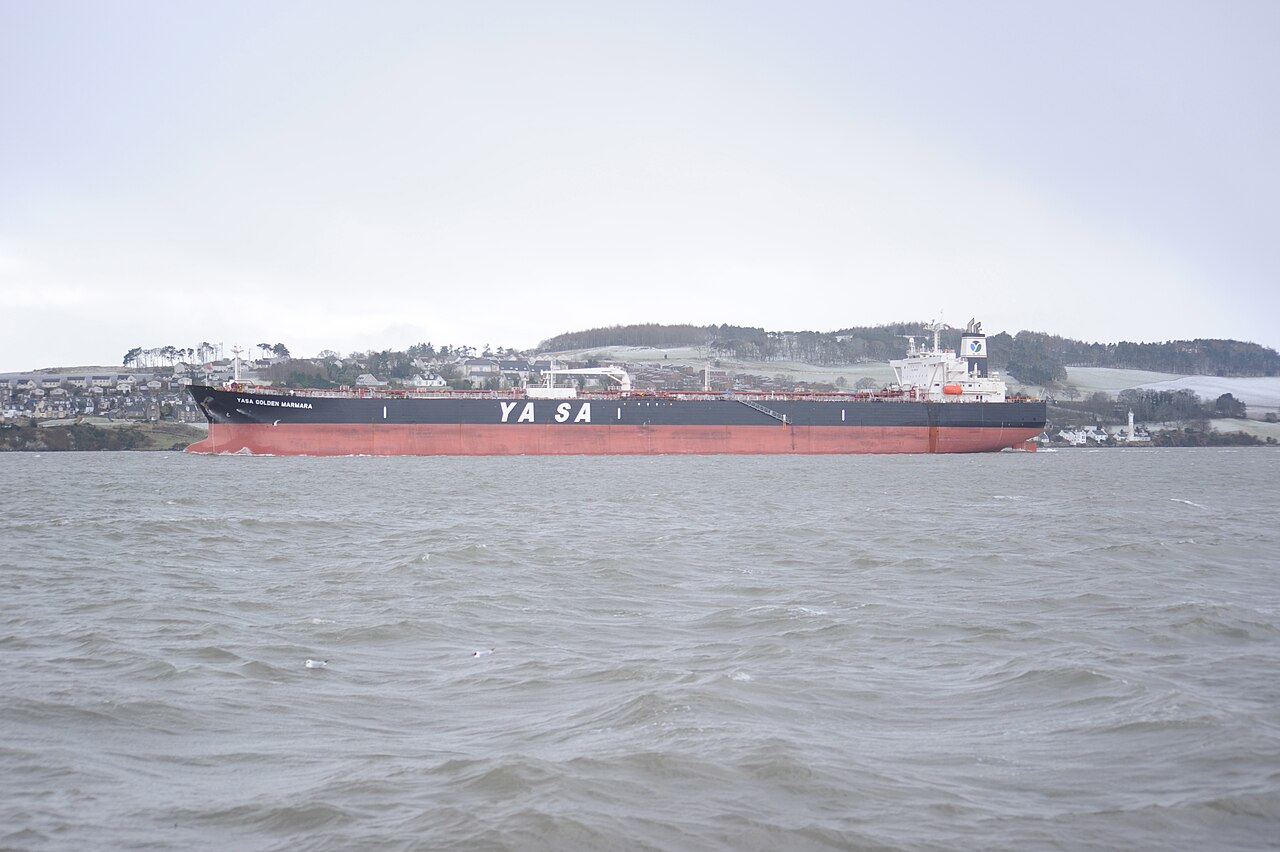
Greek shipowners expanded their newbuilding commitments across almost every vessel segment this week. Athens-based Leon Shipping ordered its first dry bulk vessel, a kamsarmax at China’s Hengli Heavy Industries, diversifying a fleet historically built around tankers. Piraeus’s Venergy Maritime went further, with Vyron Vasileiadis doubling his VLCC orderbook to four ships at Hengli Shipbuilding, part of a newbuilding programme that has grown to 34 vessels and more than $2 billion in commitments in roughly sixteen months.
The Angelicoussis Shipping Group’s Maran Tankers took delivery of the LNG dual-fuel Suezmax Maran Myron, the latest of an eight-vessel series built in China, reflecting how major Greek owners are using newbuildings rather than retrofits to pre-empt tightening IMO carbon rules. StealthGas, meanwhile, agreed to acquire four LPG carriers for $254.6 million from companies tied to CEO Harry Vafias’s family, a related-party deal structured through an independent director committee that would expand the company’s fleet capacity by 35% and mark a return to growth after a year spent deleveraging.
The Greek activity sits within a wider global surge in tanker contracting: China’s COSCO Shipping Energy unveiled firm orders and bareboat charters covering 24 new VLCCs, split across Chinese shipyards and financial lessors. Together these orders point to tightening newbuilding slots at Chinese yards into 2029 and 2030, with owners across nationalities racing to secure capacity while freight markets remain strong.
Collisions, Detentions and a Cruise Homicide Test Safety Systems
A string of incidents this week highlighted how quickly vessel operations can collide with critical infrastructure. In Philadelphia, the Singapore-flagged bulk carrier Strategic Alliance struck the Tacony-Palmyra Bridge over the Delaware River, jamming its draw span for roughly seven hours and inviting immediate comparisons to the 2024 Key Bridge collapse in Baltimore. In New Orleans, the tanker Atlantic Asphalt struck and capsized the riverboat American Heritage on the Mississippi River, hospitalising 32 people and forcing a multi-mile closure of one of the country’s busiest commercial waterways. At China’s Yantian port, the Maersk containership Maersk Cincinnati toppled a quay crane while berthing amid strong winds, the terminal’s second such incident since 2024, disrupting the Gemini Cooperation’s Asia-Europe network.
The cruise sector faced its own scrutiny. The US Coast Guard’s detention of the MSC Poesia at PortMiami over undisclosed safety deficiencies forced MSC to cancel an 11-night Caribbean voyage and issue refunds, while the FBI opened a homicide investigation aboard the MSC Seascape after the ship was ordered back to Galveston and a passenger was charged with murder. Separately, a Florida judge cleared the way for the historic SS United States to be sunk as the world’s largest artificial reef, rejecting a preservation group’s emergency bid to halt the plan over environmental and heritage objections.
None of these incidents caused the kind of structural catastrophe seen in past disasters, but collectively they illustrate how congested waterways, ageing infrastructure, weather and onboard conduct continue to generate operational, legal and reputational risk across very different corners of the industry.
Sanctions Diplomacy, Port Logistics and Cyber Risk
Geopolitical manoeuvring shaped commercial conditions well beyond the Gulf. China’s Ministry of Transport extended its suspension of port fees on US-linked vessels until January 2027, mirroring US relief and tied to the Kuala Lumpur and Washington trade talks ahead of an expected Xi-Trump meeting at the APEC summit. In the Eastern Mediterranean, Greece dismissed a Turkish counter-NAVTEX over the Crete-Cyprus Great Sea Interconnector cable survey, reasserting exclusive authority over the route as the Abeille Marengo resumed seabed work. Off the US East Coast, the Russian diesel tanker Agioi Fanendes reversed course amid a legal clash between a federal waiver and a standing import ban, with New Jersey’s governor warning terminal operators to refuse the cargo.
Elsewhere, infrastructure and logistics showed signs of easing even as new risks emerged. The Panama Canal raised daily transit capacity to 34 vessels and restored full draft at its Neopanamax locks as watershed rainfall recovered, while on the US West Coast the PMA and ILWU Local 26 pushed their strike deadline at Los Angeles and Long Beach to November 20, keeping cargo moving through the nation’s busiest container complex for now. Wallem Group appointed Apostolos Poulovassilis to lead an expansion of its Greek ship management business, reflecting continued competition among international managers for Piraeus-based clients. Maersk, meanwhile, confirmed a data breach after the WhiteArmor ransomware gang demanded $5 million, though the company said the intrusion was confined to a legacy system acquired through a past deal rather than its core operations.
What to watch next week
The Strait of Hormuz will remain the week’s most consequential flashpoint to track, with both the Navig8 Messi’s repeated targeting and Iran’s unverified mine claims likely to keep war-risk premiums and rerouting decisions elevated regardless of independent confirmation. The expected Xi-Trump meeting at the APEC summit will be watched for whether it hardens or further extends the fragile US-China port fee and tariff truce, while the November 20 deadline in the PMA-ILWU Local 26 talks at Los Angeles and Long Beach will determine whether holiday-season cargo flows face disruption. The Panama Canal’s phased capacity increases through November 24, the 30-day countdown on WhiteArmor’s ransom demand to Maersk, and the stockholder votes still required for StealthGas’s related-party LPG deal and COSCO Shipping Energy’s VLCC programme are also near-term items that could move markets and fleets alike.