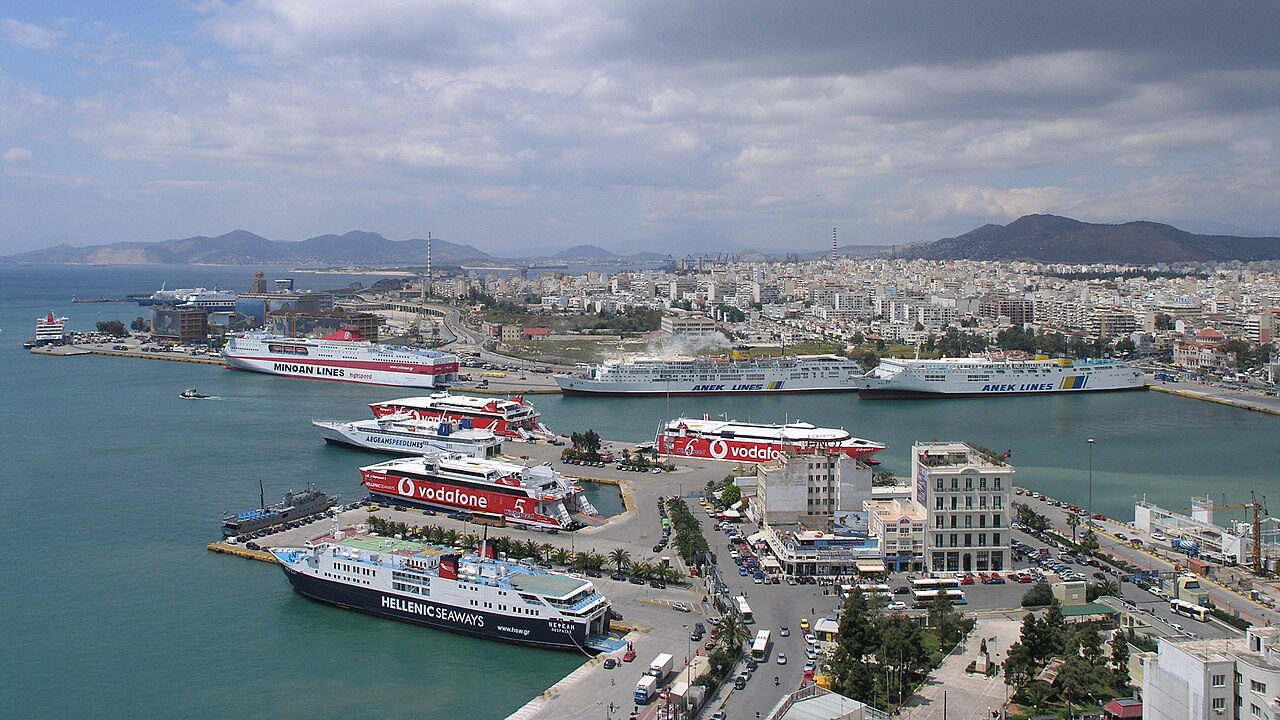
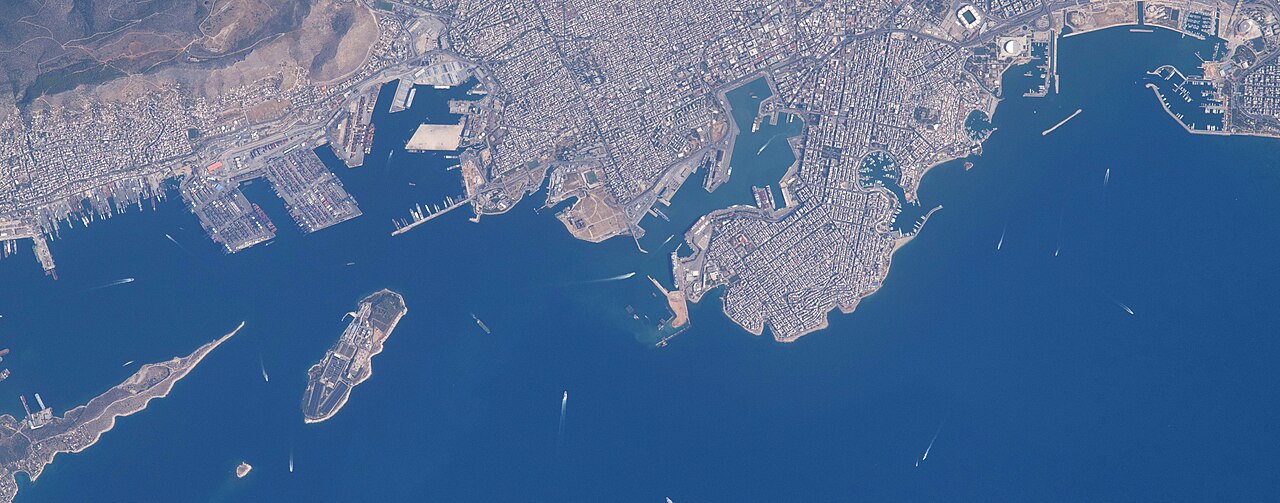
Piraeus-Athens has climbed 22 places to 13th among the world’s leading maritime cities in the 2026 Leading Maritime Cities report, released by DNV and Menon Economics on November 12. The Greek hub ranked 35th in the previous 2024 edition, making it one of the biggest movers in this year’s table of 50 cities.
The seventh edition of the biennial study assessed more than 15,000 cities worldwide before narrowing the field to 50 finalists, ranking them across five categories: shipping, maritime finance and law, maritime technology, ports and logistics, and attractiveness and competitiveness. Piraeus-Athens held onto second place in the shipping category, behind only Singapore, while Singapore itself retained the overall top spot for a seventh consecutive edition.
Fleet Value and Size Lead the World
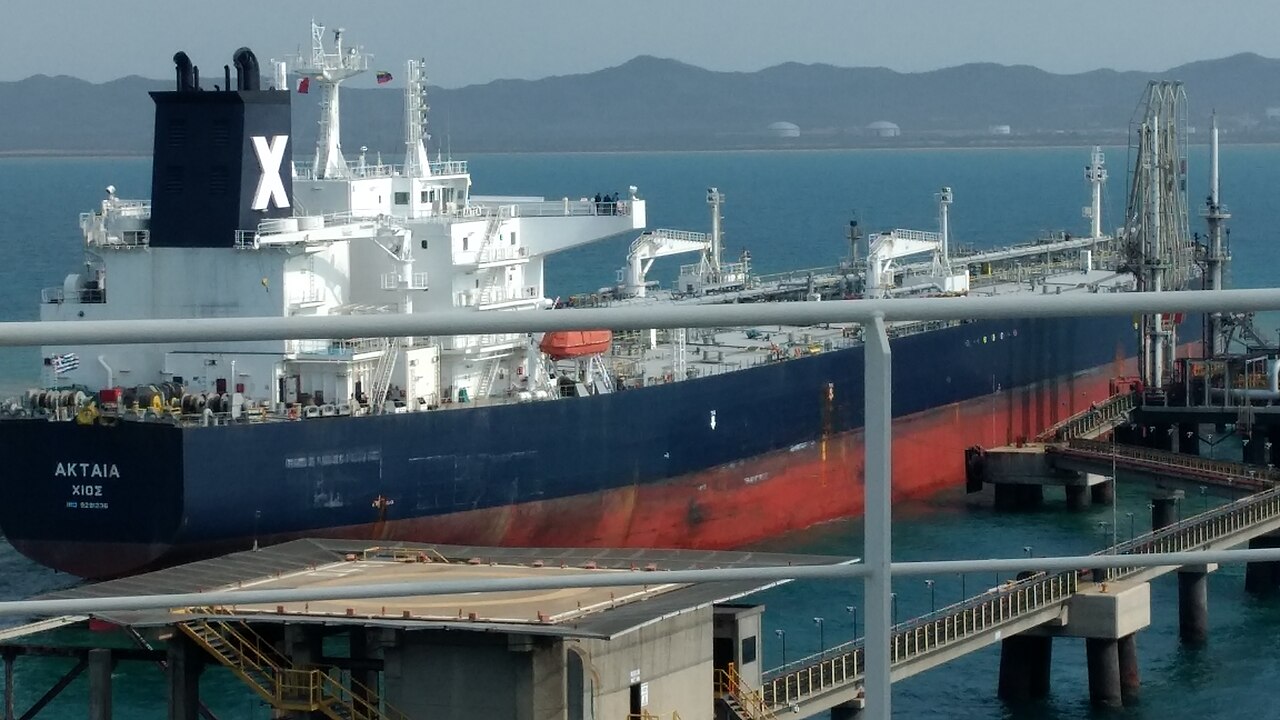
The report identifies Athens as the world’s leading shipowning hub by a wide margin, crediting shipowners based in Piraeus-Athens with a fleet worth approximately 203 billion dollars, more than double the 90 billion dollar valuation attributed to second-placed Tokyo. Companies in the Greek hub own about 117.6 million compensated gross tonnes of shipping and manage roughly 110.3 million CGT, according to the study’s data, which was compiled using Clarksons Research figures extracted by DNV in March 2026.
Athens also ranks first worldwide in fleet capacity under management, at 227.9 million CGT, reaffirming the scale of Greek-controlled tonnage relative to other global centres. The city placed second among maritime hubs for the number of shipping companies operating more than five vessels, with 248 such firms based in the Piraeus-Athens area. Experts surveyed for the report independently ranked Piraeus-Athens third in overall importance among maritime cities, behind only Singapore and Shanghai.
Methodology and Survey Base
The 2026 edition drew on 48 objective and subjective indicators, expanding on prior editions by adding measures covering fleet energy efficiency, shore power availability, alternative-fuel infrastructure, start-up activity, engineering research and human capital. Survey responses came from 208 maritime industry experts across 25 cities and 18 countries, gathered in August and September 2026, up from the respondent pool in the 2024 edition.
DNV and Menon Economics cautioned that the methodological changes introduced this year affect direct comparisons with the 2024 rankings, meaning some of the shift attributed to Piraeus-Athens reflects both genuine market gains and recalibrated scoring criteria. The global top ten was led by Singapore, followed by Shanghai, London, Rotterdam, Tokyo, Oslo, Busan, New York, Hamburg and Copenhagen, with Asia now holding three of the top five positions, up from two in the 2024 report.
Gaps in Technology and Education
Despite its commanding position in shipowning, the report highlights structural weaknesses for Athens in other pillars, particularly maritime technology and academic infrastructure. The study counted just 11 university programs in maritime-related subjects based in Piraeus-Athens, compared with 29 in London, underscoring a gap in research and education capacity relative to the city’s commercial weight.
Report authors framed the overall rankings around broader industry shifts, noting that cities able to support current shipping activity while preparing for longer-term changes in trade, regulation, technology and workforce needs are best positioned going forward. For Piraeus-Athens, that implies continued dominance in ship ownership and finance paired with a need to build out technology and training ecosystems to match rivals such as Singapore and Shanghai.
Why it matters
The ranking underscores Greece’s enduring centrality to global shipping, with Athens-based owners controlling more tonnage and fleet value than any other maritime hub worldwide, a position that shapes freight markets, newbuilding orders and charter rates across tanker, bulk and gas segments. The jump to 13th overall signals growing international recognition of Greek shipping’s resilience amid high freight rates and geopolitical disruption affecting trade routes. At the same time, the report’s identification of gaps in maritime technology and university infrastructure points to areas where Greece may need further investment to sustain its competitive edge against rising Asian and Gulf maritime centres.
Source: Greek City Times