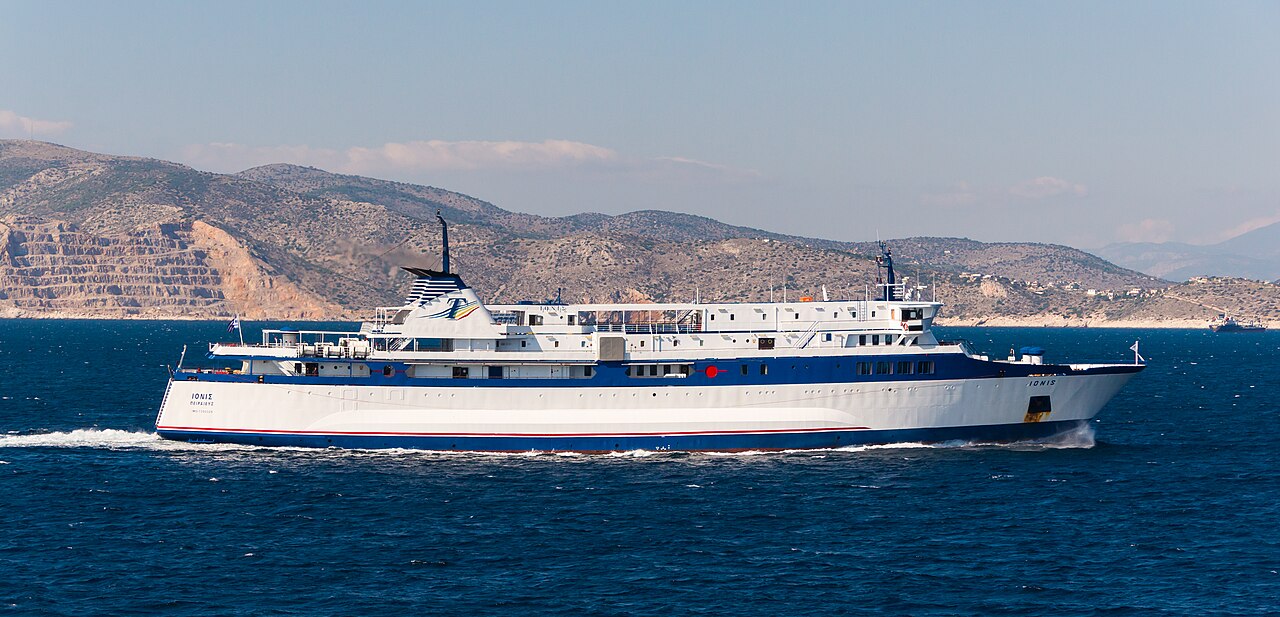
The Greek government has announced a new €32 million ($35 million) subsidy to help ferry operators absorb rising fuel costs, keep ticket prices in check and maintain sea links to the islands, government spokesperson Pavlos Marinakis said this week.
The measure, confirmed by Shipping and Island Policy Minister Vassilis Kikilias, brings total state support for the coastal shipping sector to €92 million this year, combining the new fuel subsidy with a separate €60 million scheme introduced for the first time in 2026 to compensate operators for mandatory passenger discounts.
Subsidy Mechanism and Timeline
Under the scheme, ferry companies will receive €0.16 per litre ($0.18 per litre) for marine fuel purchased between September 1 and December 31, 2026. Because the window was opened retroactively, operators can claim support for fuel bought before the formal announcement was made, reaching back several months into the current operating season.
The subsidy applies to both commercially operated routes and services run under the Public Service Obligation framework, which guarantees links to islands that would otherwise be commercially unviable. The scheme is being jointly implemented by the Ministry of Maritime Affairs and Insular Policy together with the Ministry of National Economy and Finance.
Pressure From Rising Bunker Costs
The fuel subsidy follows warnings from ferry companies that rising marine fuel prices, combined with the seasonal decline in passenger traffic during autumn and winter, could force them to cut services on routes connecting the mainland to dozens of Aegean and Ionian islands. Many of these islands lack airports and depend entirely on sea transport for passengers, food and other essential goods.
Kikilias linked the new package to earlier government interventions, noting that similar support had already been provided during 2025 and over the summer of 2026. “We achieved this in 2025 and during the summer of 2026,” he said, framing the latest measure as a continuation of that approach rather than a one-off response.
EU Approval and Wider Support Package
The scheme is expected to operate under the European Union’s METSAF state-aid framework and remains subject to approval from the European Commission before funds can be disbursed to operators. That approval process means the €32 million has been announced but is not yet available for companies to claim directly.
The new fuel measure adds to an existing €60 million compensation scheme, established for the first time this year under a decision by Prime Minister Kyriakos Mitsotakis, that reimburses operators for discounts they are legally required to offer certain categories of passengers. Combined, the two programmes could deliver up to €92 million in state support to the ferry sector this year.
Why it matters
Greece’s ferry network is the primary transport link for dozens of Aegean and Ionian islands that lack airports, making affordable, reliable sailings essential to island economies and tourism. Rising bunker costs threaten to push up fares or reduce service frequency during the low season, directly affecting connectivity and supply chains for remote communities. The subsidy illustrates the financial strain facing short-sea and coastal shipping operators as marine fuel prices climb, and offers a test case for how EU member states balance fuel-cost pressures against affordability and connectivity obligations in peripheral regions.
Source: ENGINE