A potential strike by approximately 250 port watchmen could bring operations to a halt at container terminals handling more than half of the cargo moving through the ports of Los Angeles and Long Beach, the Pacific Maritime Association warned this week. The union representing the workers, International Longshore and Warehouse Union Local 26, notified fellow maritime unions that its members may walk out when the latest extension of their labor agreement expires on Sunday, November 1.
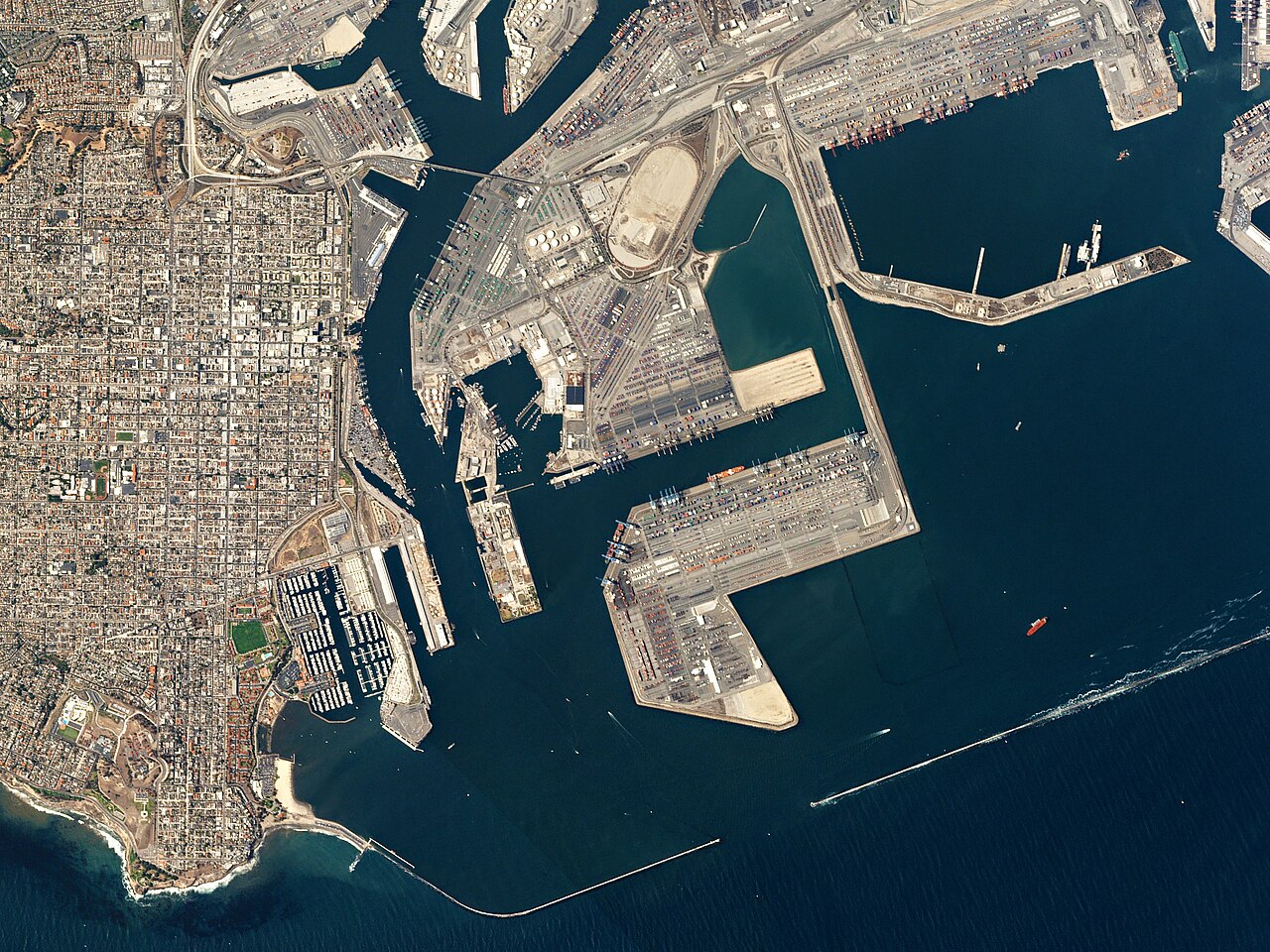
The employer association said that while the watchmen represent just 2% of the ILWU workforce at the two ports, the eight terminals where they work handle roughly 85% of Long Beach’s cargo and 33% of Los Angeles’ cargo. Affected facilities reportedly include APM Terminals, Long Beach Container Terminal, Pacific Container Terminal and Total Terminals International, among other SSA-operated berths.
Small Union, Outsized Leverage
Local 26 watchmen handle gate and cargo security duties at the Southern California port complex, the nation’s busiest for container traffic. Despite their small numbers, the union’s reach stems from picket-line solidarity rather than headcount: the PMA said other ILWU members are not expected to cross any Local 26 picket lines, a dynamic that could halt vessel, yard and gate operations at the affected terminals entirely.
In an October 23 letter, Local 26 president Luisa Gratz said negotiations with employers and the PMA had stalled despite talks continuing since 2025 and the involvement of federal mediators, and that the union had received “nothing of value” from the employer side. The PMA has since asked the Federal Mediation and Conciliation Service to join the talks, and the union has agreed to participate. The dispute is separate from the broader coastwide ILWU dockworker contract, which runs through 2028.
Pay, Benefits and Stalled Talks
The PMA said it had presented what it described as a strong economic offer, including wage increases and pension improvements, noting that full-time watchmen currently earn an average of more than $170,000 annually along with fully employer-paid healthcare and pension benefits. Local 26 has not publicly detailed its outstanding economic demands in the notice circulated to other maritime unions.
The standoff comes as the two ports are already under operational strain from an extended peak shipping season. The complex handled a combined 2.04 million TEUs in September, a record monthly volume, while nearly 35,700 import containers were awaiting on-dock rail service as of October 26, including more than 10,500 that had sat at terminals for nine days or longer. Average rail-bound container dwell times rose to 7.19 days in September from 6.75 days in August, according to data cited by logistics trackers.
Timing Raises Stakes for Holiday Cargo
A walkout beginning at 5 p.m. Pacific time on November 1 would land at a sensitive moment for retailers racing to land final holiday-season shipments, intensifying pressure on both sides to reach a deal before the deadline. As of late October, offshore vessel queues at the complex remained light, with trackers reporting only a handful of ships awaiting berths, suggesting the immediate risk lies more in landside gate and yard paralysis than in a vessel backlog.
The threat also surfaces amid broader federal funding pressure on U.S. port infrastructure, with the American Association of Port Authorities warning that grant funding is set to fall to a five-year low without new congressional appropriations. Transportation Secretary Sean Duffy has highlighted the economic importance of port operations as the funding debate continues alongside the labor talks.
Why it matters
A disruption at the Los Angeles-Long Beach complex, which handles the largest share of U.S. containerized imports, would ripple through supply chains already strained by record cargo volumes and rail congestion ahead of the holiday season. Because other ILWU members are expected to honor Local 26’s picket lines, a small bargaining unit could trigger a disproportionately large shutdown of vessel, yard and gate operations. The outcome of the talks will be closely watched by retailers, carriers and freight forwarders managing time-sensitive holiday inventory, and could set a precedent for how narrow craft-specific labor disputes affect broader port operations.
Source: gCaptain