The Office of the U.S. Trade Representative has proposed extending the suspension of port fees targeting China-linked vessels for another two months, pushing their potential return into January 2027 as Washington and Beijing continue negotiations over China’s dominance of global shipbuilding. The proposal was outlined in a Federal Register notice scheduled for publication on October 26.
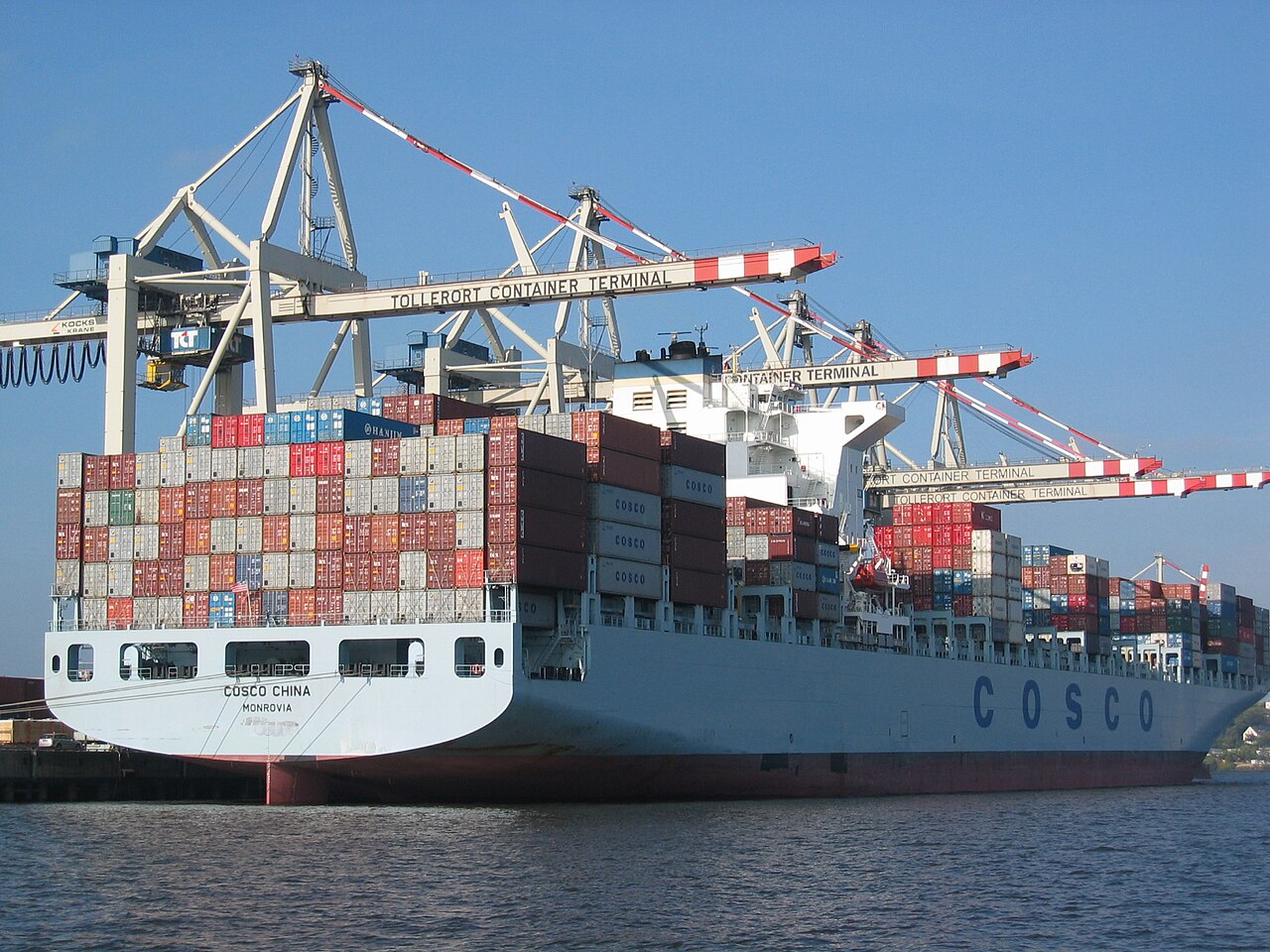
Under the plan, the existing one-year suspension, currently due to expire on November 9, would be extended through January 9, 2027. The measures would remain suspended from November 10, 2026, through January 9, 2027, sparing shipping companies from fees on Chinese-owned, Chinese-operated and Chinese-built vessels, as well as certain foreign-built vehicle carriers, calling at U.S. ports.
Formalizing a September Truce
The proposed extension comes nearly a year after President Donald Trump and Chinese President Xi Jinping agreed to suspend the port fees as part of a broader trade agreement reached in South Korea. Treasury Secretary Scott Bessent had announced on September 23 that the two countries agreed to extend the so-called Busan Agreement from November 10, 2026, to January 10, 2027, ahead of a meeting between Xi and Trump in Washington.
However, under U.S. administrative law, only a formal USTR Federal Register notice can extend the suspension, and none had been published in the weeks following Bessent’s announcement, leaving carriers and importers in a state of legal uncertainty. The notice set for October 26 publication closes that gap, converting the verbal understanding into an enforceable administrative action.
Fees and Fleet Impact
During the suspension period, shipping companies would not incur liability for port fees under Annexes I, II and III of the original Section 301 action, and the pause would also continue to cover certain duties on ship-to-shore cranes and cargo-handling equipment. Washington began collecting the fees on October 14, 2025, but suspended them on November 10, meaning the measures were in effect for less than four weeks before being paused; China also suspended its own retaliatory fees on U.S.-linked vessels.
The original measures stemmed from a Section 301 investigation launched during the Biden administration following a 2024 petition by the United Steelworkers and other labor organizations seeking to rebuild U.S. shipbuilding capacity. Last year, USTR said many China-linked ships arriving at U.S. ports could face fees ranging from $18 per net ton to $120 per container, with rates set to rise annually.
Industry Lobbying and Outlook
Several shipper associations, trade groups and logistics providers had urged USTR in a September 23 letter to extend the suspension, arguing that persistent domestic shipbuilding capacity constraints, workforce shortages and a lack of competitive U.S.-flag alternatives made the fees impractical to implement. USTR said in the notice that the United States continues to engage with China with the goal of eliminating the practices at issue in the underlying investigation.
Trade lawyers have cautioned that the suspension does not equate to withdrawal of the investigation, leaving the statutory threat intact as negotiating leverage should talks falter. The next expiry date of January 9, 2027, is expected to serve as the de facto checkpoint for whether the broader US-China trade truce, including related tariff and shipbuilding commitments, continues to hold.
Why it matters
The formal extension removes near-term legal uncertainty for container lines, car carriers and other operators of Chinese-built or Chinese-linked tonnage calling at U.S. ports, averting fees that could have reached tens of thousands of dollars per port call. It also signals that the broader US-China trade and shipbuilding dispute, which has shaped vessel ordering, crane procurement and routing decisions across the industry, remains unresolved but contained through early 2027. The outcome will influence shipowner newbuilding strategy and port equipment sourcing as the two governments continue negotiating over China’s shipbuilding dominance.
Source: gCaptain