Russia’s Foreign Ministry on October 25 said detentions of vessels in the Baltic Sea by European Union member states amount to hostile and provocative acts, sharpening a dispute over Western efforts to curb Moscow’s sanctions-evading tanker fleet. Vladislav Maslennikov, director of the ministry’s Department of European Problems, told the state news agency RIA Novosti that Moscow views the practice as deliberately hostile.
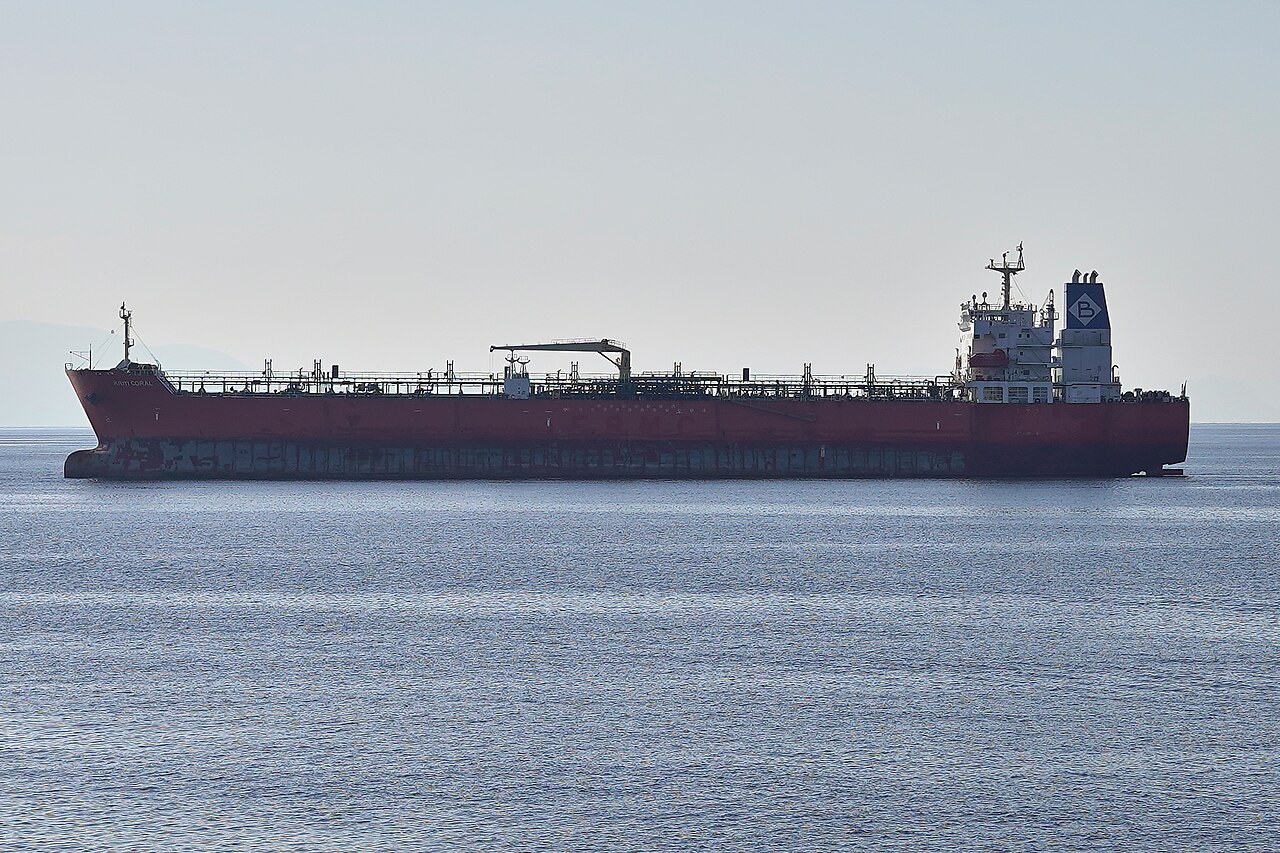
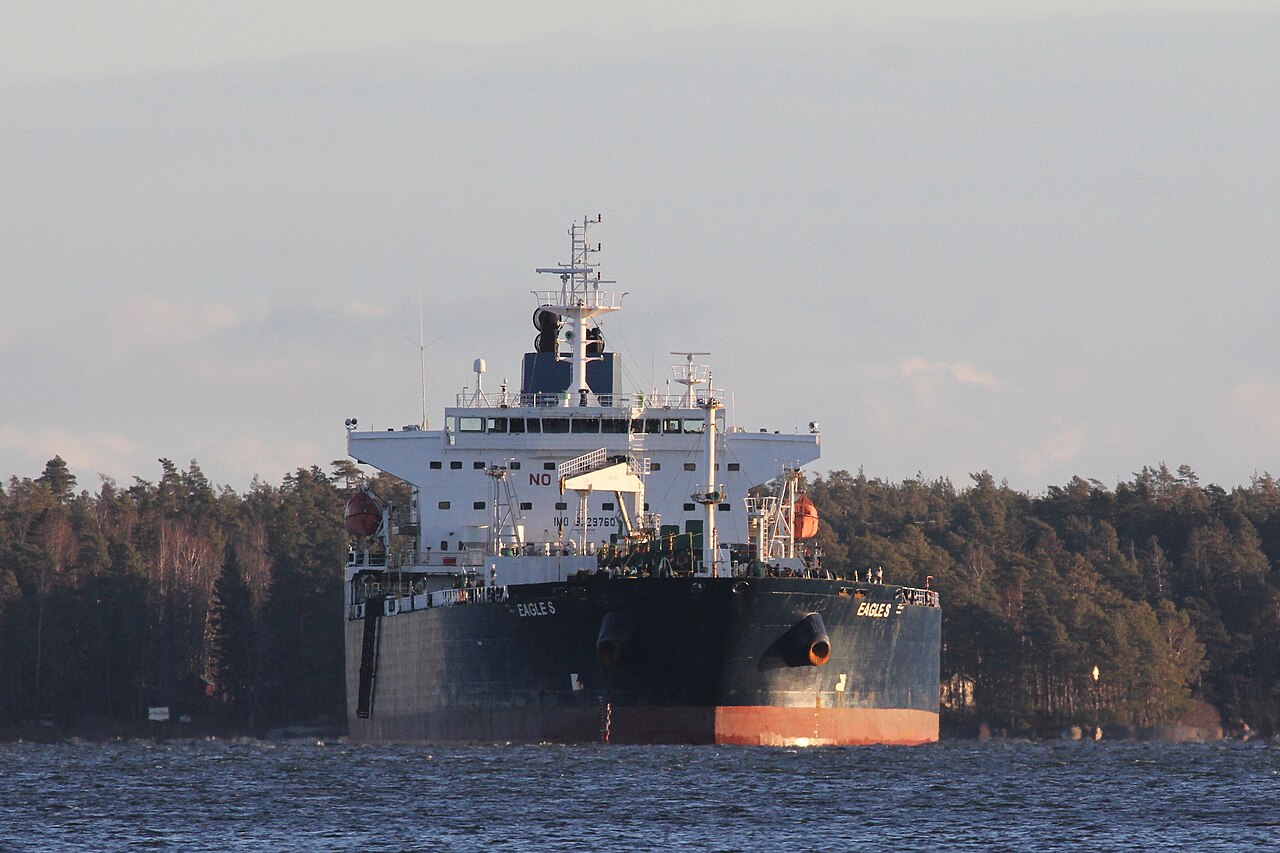
The statement follows weeks of escalating friction in the Baltic, where Denmark, Germany, Finland and other coastal states have tightened inspections and, in some cases, seized tankers linked to Russia’s so-called shadow fleet, the aging, opaquely owned vessels Moscow uses to move oil above the Western price cap. Russian officials have warned that further interceptions could be met with retaliation, raising the stakes in a waterway that handles a large share of Russia’s seaborne crude exports.
Kremlin Threatens Retaliation
Maslennikov said Russia is already implementing retaliatory measures over what he described as Western states’ actions to detain ships in the Baltic Sea, characterizing NATO and EU member states as engaged in what he called a maritime racket. He added that individual EU states are consistently taking measures that could complicate international shipping, and pointed to the Western use of the term shadow fleet as linked to claims about maritime safety and environmental risk.
The rhetoric builds on warnings issued two days earlier, when the Russian Embassy in Denmark told the news outlet Izvestia that Copenhagen was preparing what it called pirate operations against ships carrying Russian cargo, and cautioned that such moves would draw a strong rebuff from Moscow. Danish lawmakers have been pressing the government to take more forceful steps after Copenhagen began demanding insurance documentation from tankers transiting its waters in July, though analysts note Denmark has the military capacity to detain vessels but faces escalation risks that could deter actual seizures.
European Enforcement Escalates
The dispute follows a joint statement issued in January by fourteen European countries, including Denmark, Finland, Germany, Poland, Sweden and the United Kingdom, declaring that tankers which change flags, disable transponders or lack proper documentation will be treated as stateless vessels subject to detention for failing to comply with international conventions such as SOLAS, MARPOL and UNCLOS. The declaration marked one of the most coordinated attempts yet by European states to assert jurisdiction over the fleet transiting the Danish Straits.
Denmark’s own data illustrates the scale of the traffic at issue: the Danish Maritime Authority reported 292 voyages by EU-sanctioned tankers through Danish waters in 2025 alone, roughly one transit a day. Those vessels sail from Russian Baltic terminals, primarily Ust-Luga and Primorsk, carrying crude oil and refined products such as diesel and gasoline toward buyers in Asia and elsewhere, often using aging ships that raise spill concerns among coastal states.
Legal and Environmental Stakes
Western governments remain legally constrained in how far they can go. Under current EU and UK law, a foreign-flagged vessel in international waters does not automatically commit a sanctions offense merely by carrying sanctioned cargo, and every vessel seized in Europe during 2024 and 2025 was ultimately released with its cargo intact, even as criminal investigations continued in some cases.
Concrete seizures have nonetheless occurred: German customs authorities confiscated the Panama-flagged tanker Eventin in March after it was found stranded off Ruegen having sailed from Ust-Luga toward Egypt, towing it to waters off Sassnitz for monitoring by the coast guard and federal police. Such episodes, alongside the insurance gaps that leave shadow fleet vessels exposed in the event of a spill or collision, continue to anchor European states’ environmental and safety rationale for tightening Baltic Sea enforcement.
Why it matters
The Baltic Sea is a critical corridor for Russian seaborne oil exports, and the standoff over tanker detentions sits at the intersection of sanctions enforcement, maritime law and NATO-Russia tensions. Aging, poorly insured shadow fleet vessels pose a persistent spill risk in one of the world’s busiest and most ecologically sensitive shipping lanes. Moscow’s threat of retaliatory measures raises the prospect of further disruption to commercial shipping in the region, while European states’ reliance on contested legal grounds, environmental rules and anti-piracy statutes, rather than clear-cut sanctions law, underscores how unsettled the international legal framework remains for policing sanctioned fleets.
Source: Izvestia (en.iz.ru)