Shipping traffic along Russia’s Northern Sea Route (NSR) has broken last year’s full-season transit record with more than a month still remaining in the 2026 navigation window, according to new data from Norway’s Centre for High North Logistics (CHNL). The monitoring body recorded 104 confirmed transits by September 30, already surpassing the 103 logged across the whole of 2025 and 97 in 2024.
Estimated transit cargo through the Arctic corridor reached 3.7 million tonnes by the end of September, up 15 percent on the full-year 2025 figure, while the combined deadweight of vessels using the route climbed 26 percent to 7.8 million dwt. CHNL said the final season tally could run considerably higher, with another 45 potential transits identified as underway or already within the route at the end of September, a pace that could push the total season count toward 150 voyages and beyond 4.5 million tonnes of cargo.
Tankers and Bulkers Drive Volume Growth
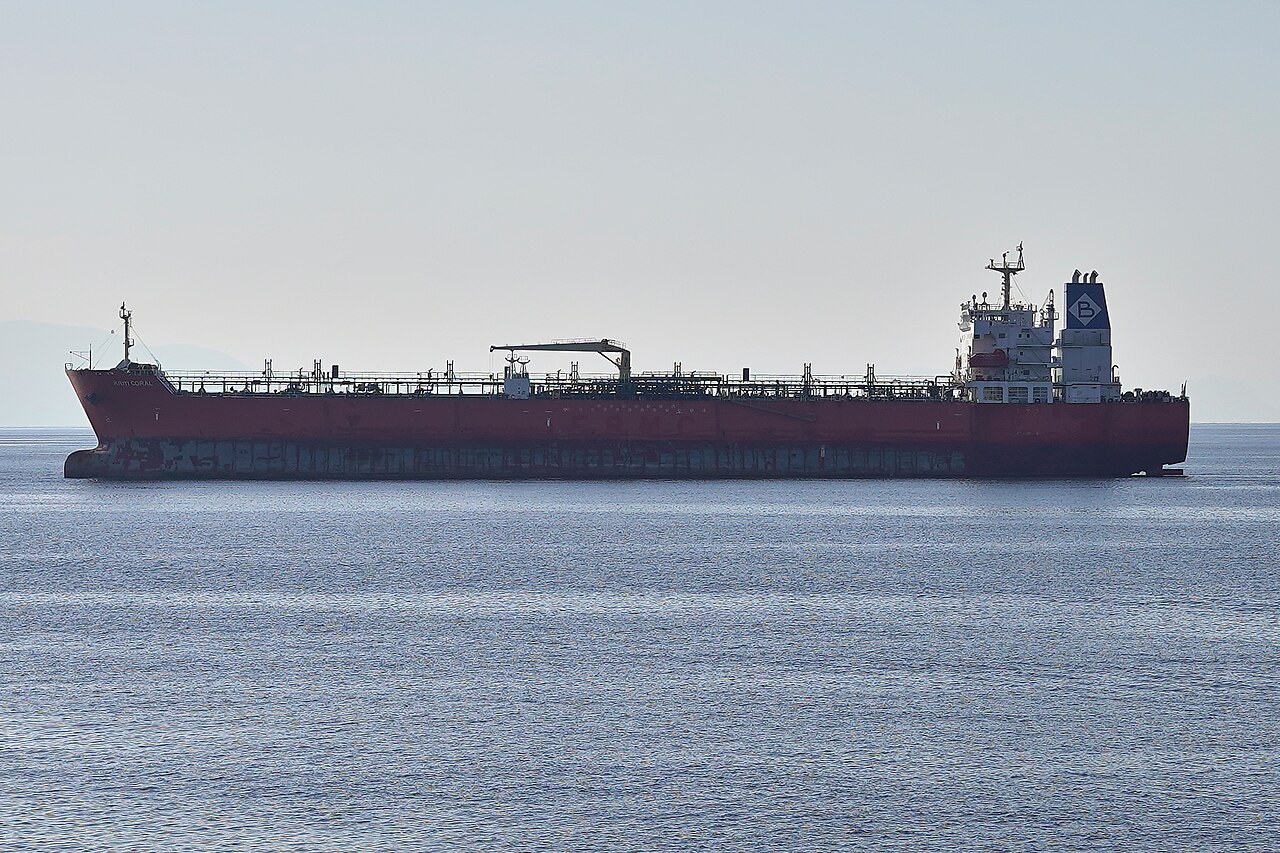
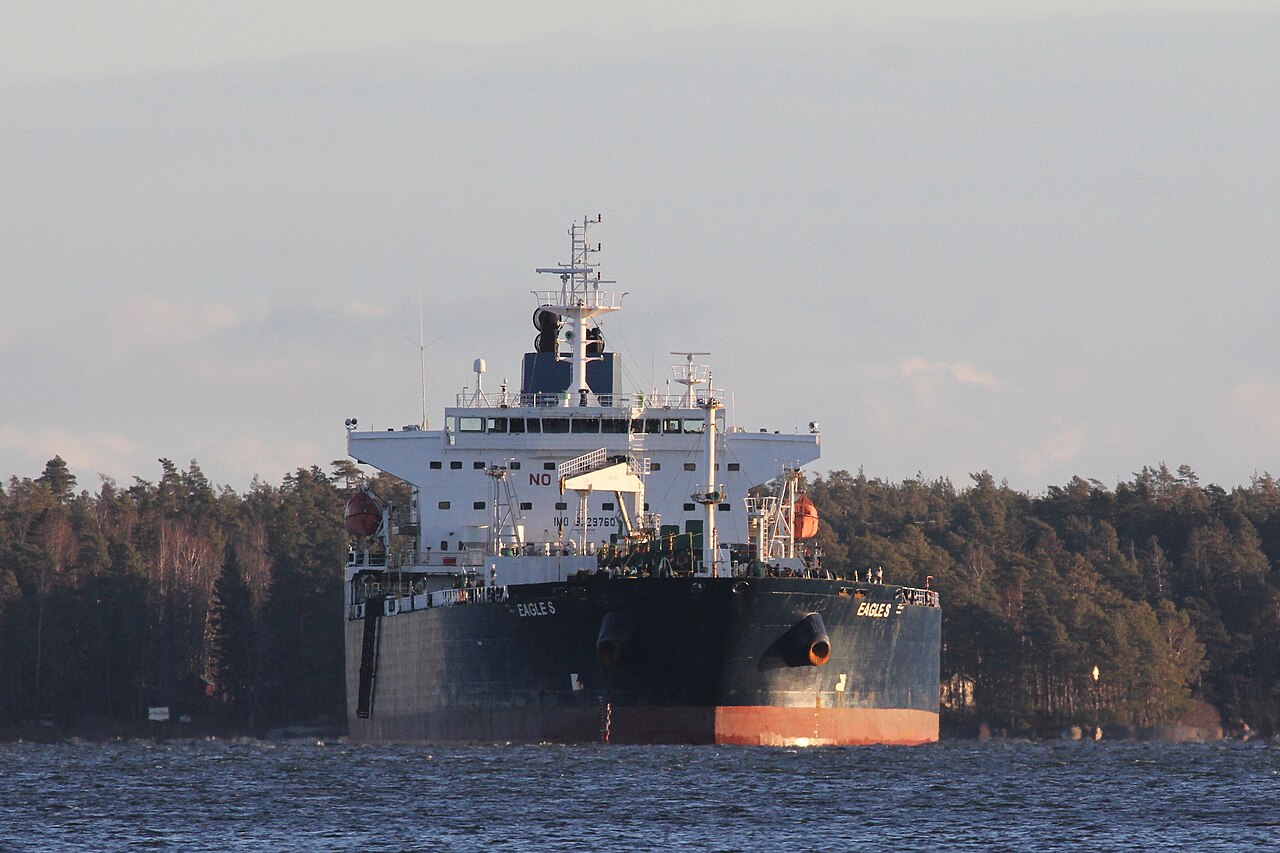
Oil tankers have contributed the largest share of NSR cargo this season, with CHNL’s analysis of AIS data identifying 22 eastbound tanker voyages carrying approximately 2.1 million tonnes, the great majority of it Russian crude bound for Asian buyers. Russian oil exports moving via the Arctic route have climbed nearly 50 percent this year, with roughly 20 million barrels shipped to Asia between July and mid-October alone.
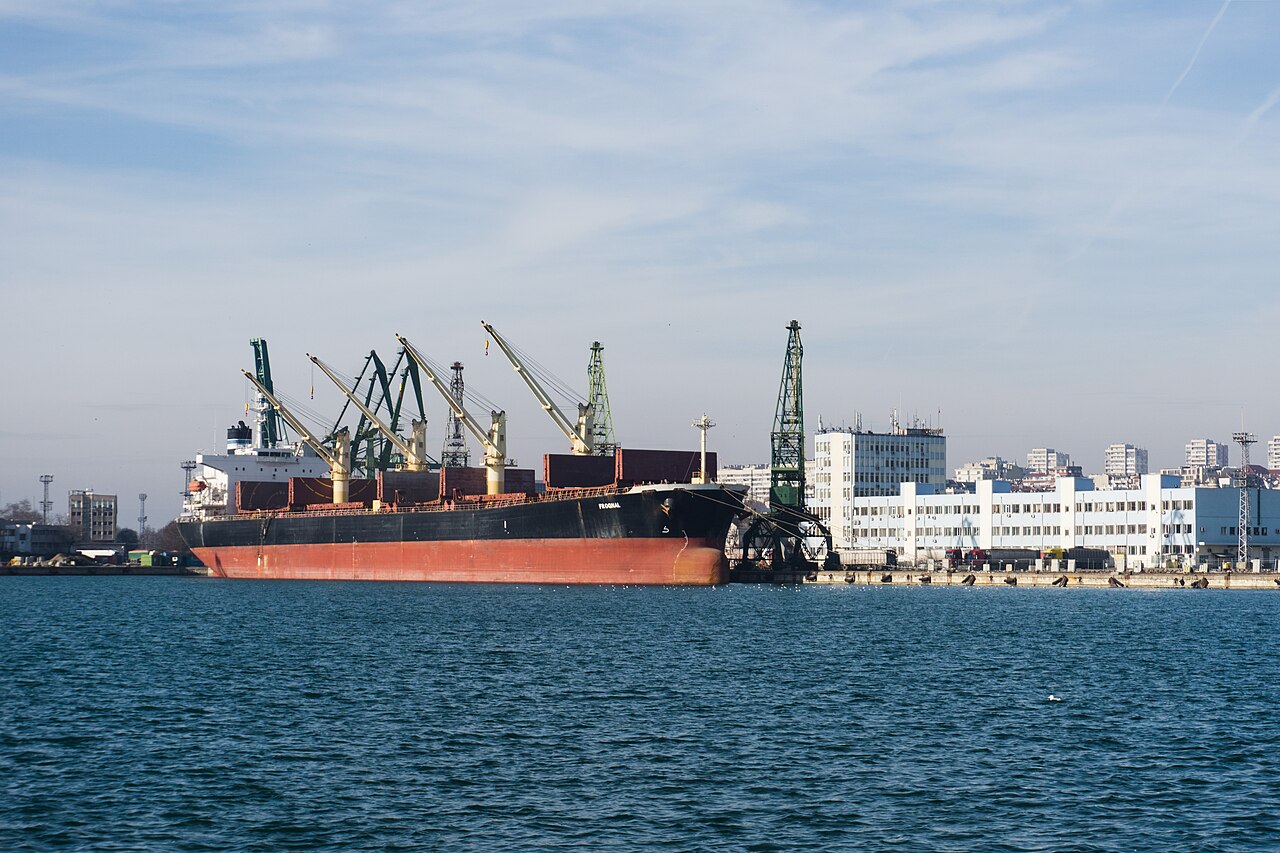
Bulk carriers added a further 1.1 million tonnes of eastbound cargo, while considerable westbound bulk activity involved vessels repositioning from Asian trades toward European Russia rather than carrying Arctic-origin freight. CHNL data also recorded five LNG carrier transits, including four eastbound voyages totalling roughly 300,000 tonnes, underscoring the route’s growing role in Russia’s energy export logistics alongside its traditional cargo base.
Asia-Europe Container Trials Expand
International interest in the NSR as an Asia-Europe shortcut is also building. CHNL confirmed four direct Asia-Europe voyages without Russian endpoints had been completed by September 30, compared with just one during the whole of the 2025 season, pointing to a gradual shift from a route dominated by Russian resource exports toward a seasonal transit corridor serving broader Asian and European markets.
Chinese shipping lines have been central to this shift, having operated scheduled container sailings linking Shanghai with European ports via the Arctic during the 2026 navigation window. The commercial case remains tied to the short ice-free season and reliance on icebreaker escort, but operators are increasingly weighing the route against mounting disruption on established corridors further south.
Conflict Zones Reshape Trade Routing
CHNL and other analysts attribute much of this year’s NSR growth to disruption around the Strait of Hormuz, Suez Canal and Black Sea, which has made the costlier and operationally demanding Arctic passage comparatively more attractive to some shippers and charterers. Continued attacks on tankers in the Persian Gulf and reduced transits through Hormuz have added further incentive for Russian and allied Asian trade flows to route north rather than through conflict-affected chokepoints.
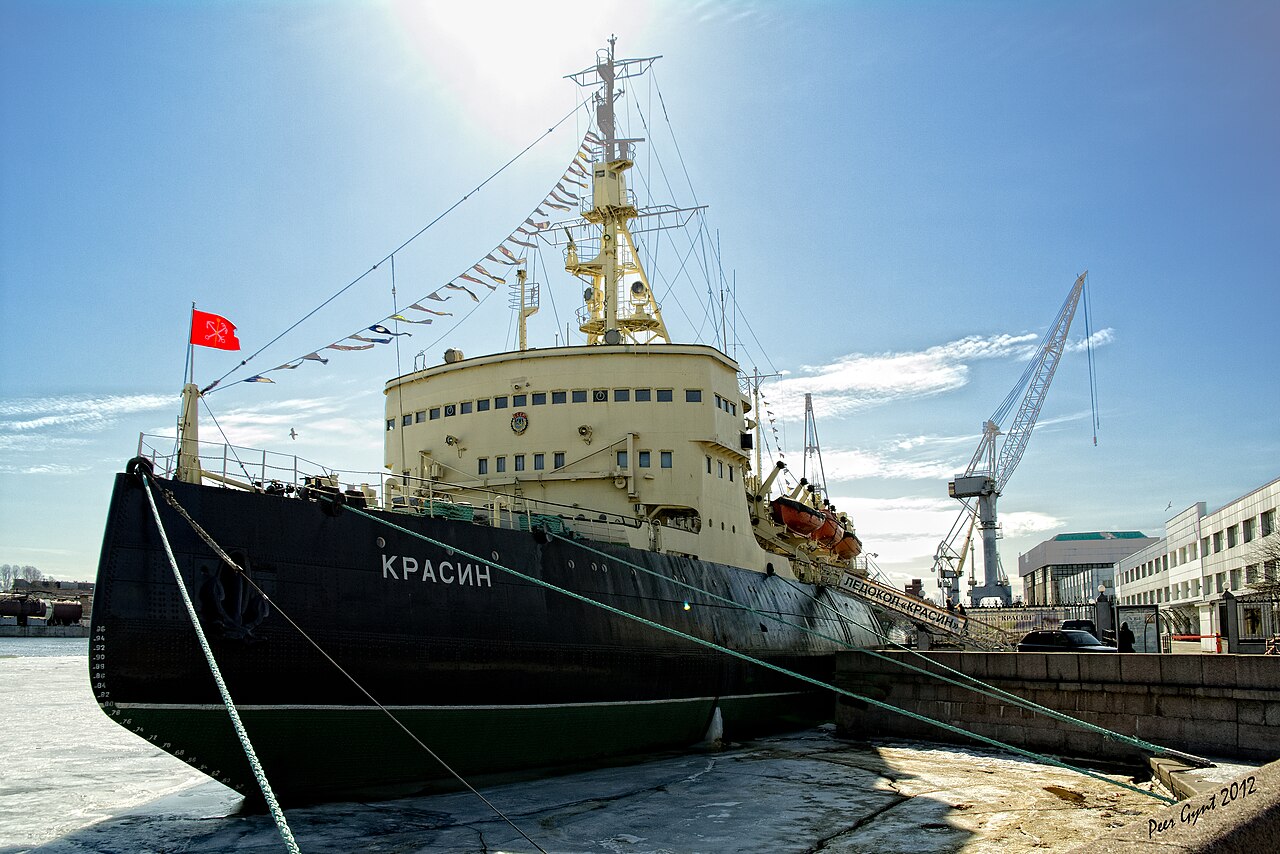
Industry observers caution that NSR growth remains seasonal and concentrated in a narrow summer-autumn window, with navigation safety, insurance costs and limited icebreaker capacity continuing to constrain the route’s broader commercial viability. Even so, the scale of this year’s increase marks a departure from the stagnant volumes Russia’s Arctic corridor posted in prior years.
Why it matters
The Northern Sea Route’s record transit numbers illustrate how geopolitical disruption in the Middle East, Red Sea and Black Sea is actively reshaping global shipping routes, with Russia positioning the Arctic corridor as a sanctions-resilient alternative for its energy exports and a developing option for Asia-Europe trade. Growing tanker, bulker and container traffic through environmentally sensitive Arctic waters raises safety and ecological concerns even as it signals a structural shift in how carriers hedge against chokepoint risk at Hormuz and Suez.
Source: Splash247