Lithuania, Latvia and Estonia on October 9 sent a joint letter to European Council President Antonio Costa and European Commission President Ursula von der Leyen proposing an EU-wide ban on the transit of Russian grain through the bloc, according to Reuters. The three Baltic governments want to close off a route that Moscow has increasingly relied on to move agricultural exports after Ukrainian strikes disrupted Russian Black Sea port operations.
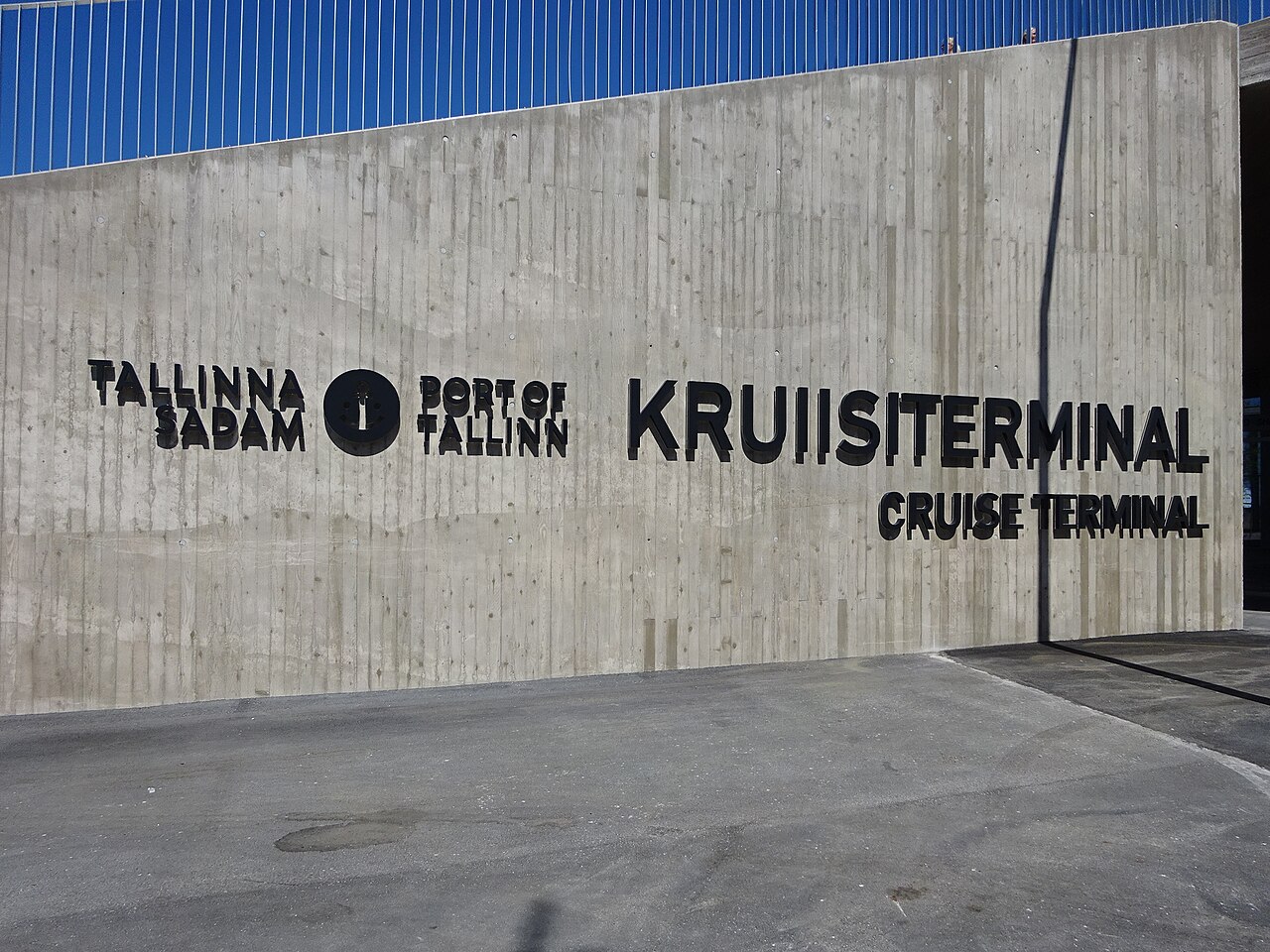
The push follows Estonia’s own national ban on Russian and Belarusian grain transit through its ports, which took effect October 1, 2026. Lithuanian Prime Minister Mindaugas Sinkevicius went further, proposing that the EU also sanction Russian agricultural oligarchs who back the war effort, signaling the issue could move onto the agenda of the next European Council meeting.
Letter Cites Black Sea Disruption
In the letter to Brussels, the Baltic leaders described the situation in the Black Sea as particularly concerning, pointing to Russian attacks that have severely disrupted the shipment of grain to international markets. They argued that while Moscow deliberately undermines Ukraine’s capacity to export cereals from its own ports, it is simultaneously seeking alternative routes for its own grain through EU member state infrastructure, generating revenue that helps fund the war.
The letter, signed by Estonian Prime Minister Kristen Michal, his Latvian counterpart and Lithuanian President Gitanas Nauseda, framed the issue in stark terms: the EU must not become a channel through which Russia compensates for the economic consequences of its own aggression. The three states also called for measures to block the export of grain taken from occupied Ukrainian territory through EU ports, while strengthening EU-Ukraine solidarity lanes that carry Ukrainian goods to international buyers.
Current EU Rules Fall Short of a Ban
The European Union currently does not prohibit international trade in Russian agricultural and food products with third countries; in 2024 it imposed tariffs on grain products originating from Russia and Belarus rather than an outright transit ban. That gap is what the Baltic letter seeks to close, treating grain transit through EU seaports and rail links as a loophole that undercuts the bloc’s broader sanctions regime against Moscow.
Estonian Prime Minister Kristen Michal said he intends to raise the proposal at next week’s European Council meeting, putting pressure on the Commission to act at the EU level rather than leave the matter to individual member states. Lithuania’s proposal to add Russian agricultural oligarchs supporting the war to the EU sanctions list would extend restrictions beyond cargo flows to the individuals and companies controlling them.
Moscow Response and Regional Reaction
The Russian embassy in Estonia responded to the proposed ban by noting that decisions made by the Estonian government often raise questions in business circles and among society, while the Russian embassies in Latvia and Lithuania did not immediately respond to requests for comment. The muted official reaction contrasts with the economic stakes for Russian exporters, who have leaned on Baltic transit routes as Black Sea shipments from Russia’s own ports have become more exposed to disruption.
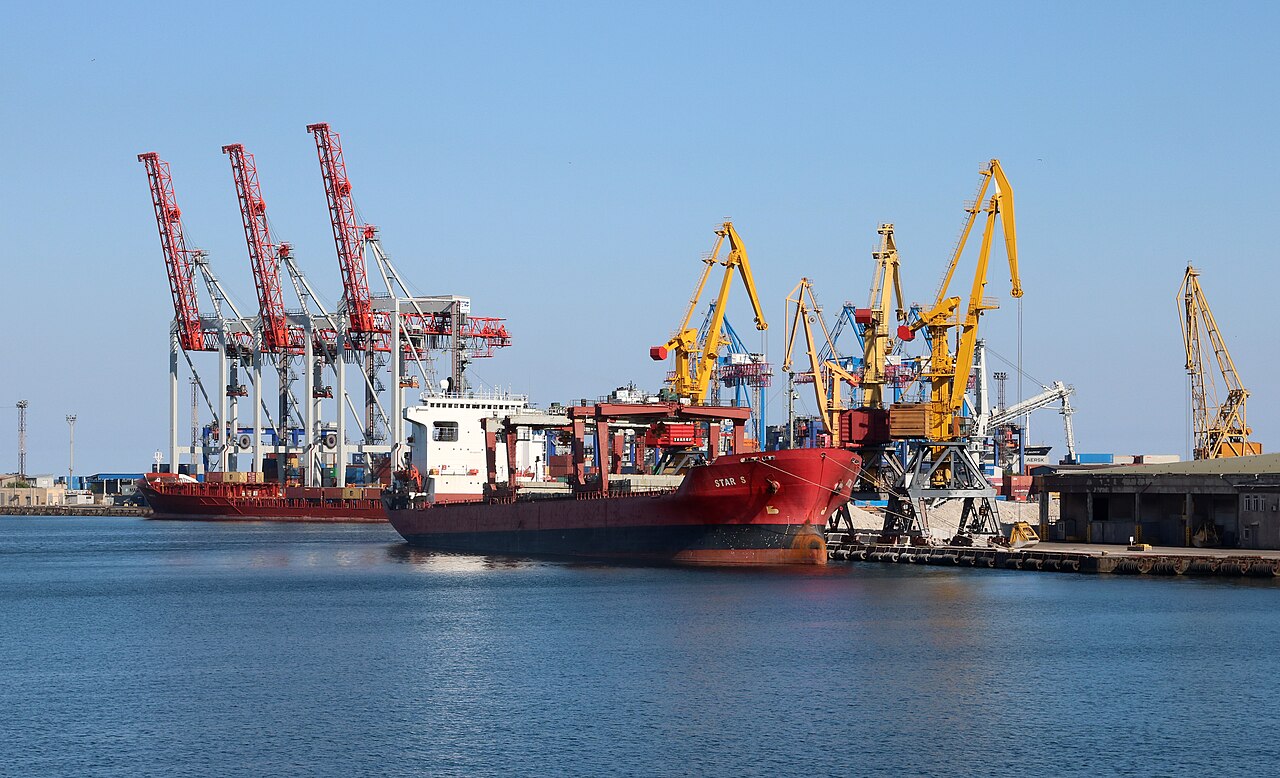
For Baltic port operators and rail freight handlers, a transit ban would mean forgoing Russian grain volumes that have passed through their infrastructure even as broader trade with Moscow has collapsed since 2022. The three governments have framed that trade-off as necessary to preserve the integrity of the EU’s sanctions regime, arguing that allowing continued transit sends a contradictory signal while Russian forces continue targeting Ukrainian port infrastructure in the Black Sea.
Why it matters
A transit ban would close one of the last remaining channels through which Russian agricultural exports move through EU-controlled infrastructure, tightening the sanctions net on Moscow’s war financing. For dry bulk shipping and grain traders, it would reroute cargo flows away from Baltic ports and rail links, potentially adding freight costs and voyage distances for Russian grain bound for international buyers. The proposal also underscores how Black Sea conflict dynamics are reshaping European grain logistics well beyond the immediate conflict zone, with implications for EU-Russia trade policy ahead of the next European Council meeting.
Source: Reuters via Euronext