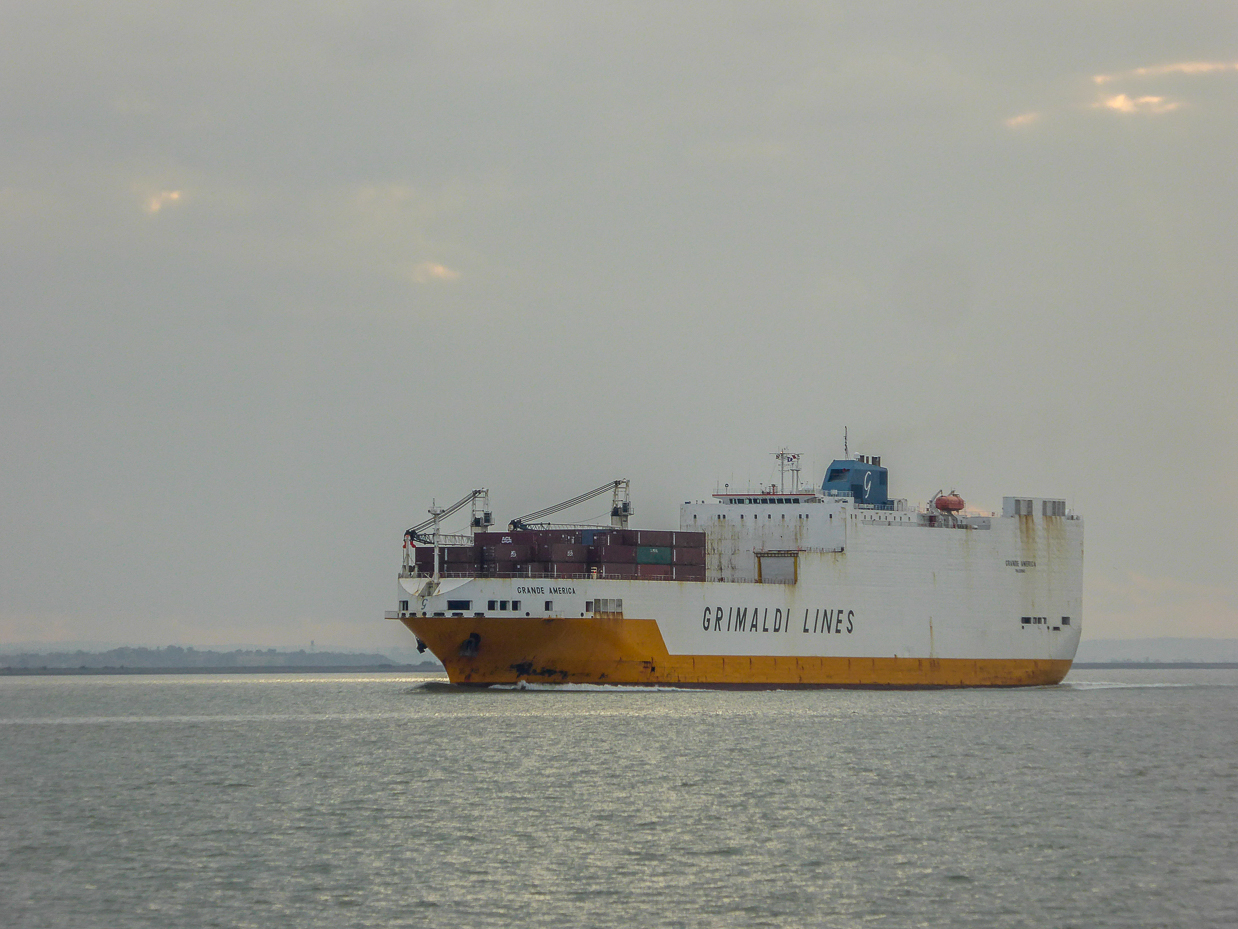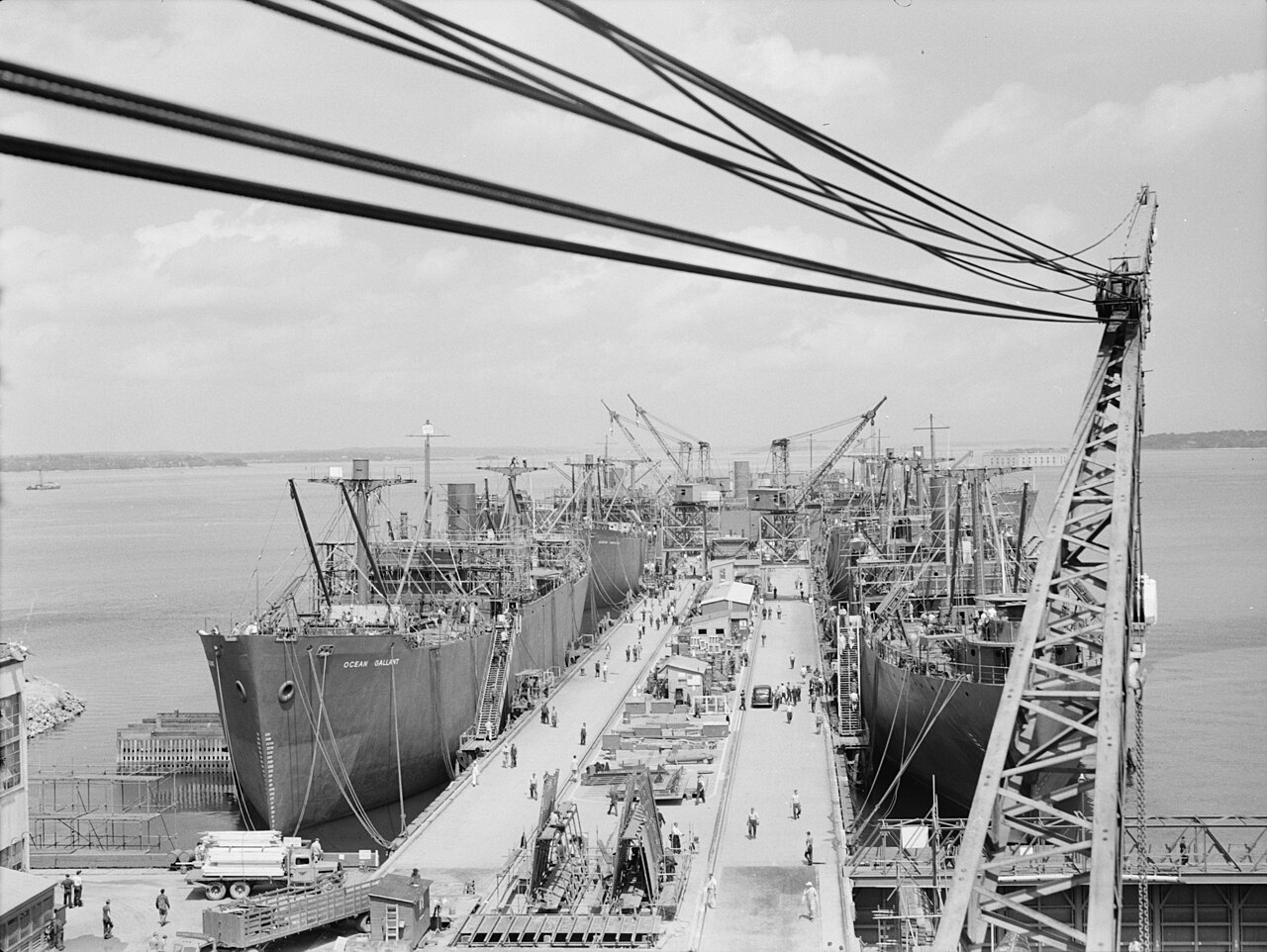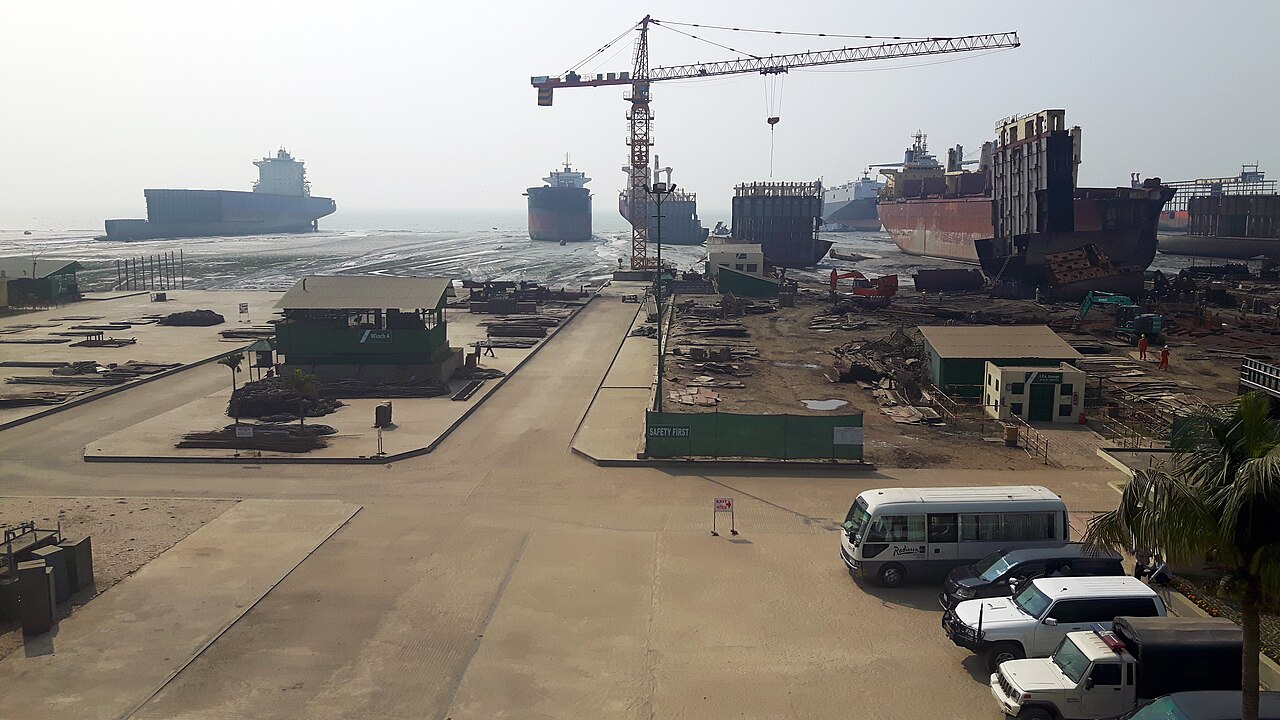
Global ship recycling has fallen into its longest sustained slump in more than half a century, according to Clarksons Research data published October 12, even as the world merchant fleet accumulates an unprecedented volume of ageing tonnage. Just 273 ships totaling 5.5 million gross tons, roughly 8 million deadweight tons, were sold for demolition in the first nine months of 2026, a figure 13% below last year’s already weak pace and 60% beneath the average recorded across the 2000s and 2010s.
The slowdown means less than 0.5% of global fleet tonnage has been scrapped annually for five consecutive years, a rate lower than even the 2006-08 shipping supercycle and the most prolonged drought of its kind since the early 1970s. As a result, more than 340 million gross tons of shipping is now at least 20 years old, up 90% over five years and representing almost 20% of the world fleet, compared with 12% in 2021.
Ageing Tonnage Builds Across Sectors
The accumulation of older vessels is most pronounced in the tanker sector, where 22% of capacity is now over 20 years old, against just 8% five years ago. More than 150 million gross tons of shipping across all sectors has passed 25 years in service, up 75% over the same period, while a record 68 million gross tons has exceeded 30 years of age.
Container shipping has also seen its share of over-20-year-old tonnage double to 16%, even as an orderbook exceeding 40% of the existing fleet looms over the sector. By comparison, only 12% of bulk carrier capacity and 10% of LNG tonnage is currently over 20 years old, underscoring how unevenly the ageing trend is distributed across vessel types.
Recyclers Chase Scarce Tonnage
Clarksons’ latest recycling market assessment recorded just 8.4 million deadweight tons sold for demolition year-to-date, with continuing buying interest concentrated in Bangladesh and Pakistan, while Indian recyclers have shown a preference for specialised tonnage. Cash buyer GMS described the fourth quarter as developing into a contest of patience between yards with capacity and willingness to buy and owners reluctant to part with still-profitable ships.
Separate reporting from recycling yards on the Indian subcontinent has described owners holding on to old vessels that would normally have been sold for scrap by now, as record-breaking charter rates allow even aged ships to generate strong returns. Marine insurers meeting in Rotterdam this month also flagged the trend, noting that the average age of ships on their final voyages has risen to 22.4 years.
Market Forces Behind the Standstill
The drought in demolitions is being driven primarily by historically strong freight markets and firm secondhand vessel values, which have made it more profitable for owners to keep ageing ships trading rather than send them to the breakers. GMS had been tracking roughly 550 merchant vessels preparing to exit the Persian Gulf at the start of the third quarter, including around 200 bulk carriers, but the anticipated wave of recycling candidates failed to materialize as earnings remained elevated.
Recycling yards in South Asia have available capacity and appetite for tonnage, and some have raised offers to attract sellers, yet owners have largely resisted. Analysts expect the standoff to persist into the fourth quarter as long as vessel earnings remain strong, with the sector’s structural imbalance between demand for recycling and owners’ reluctance to sell showing few signs of easing.
Why it matters
A record-ageing global fleet combined with the lowest sustained recycling activity in over 50 years raises concerns about rising maintenance costs, insurance claims and safety risks as vessels remain in service well beyond typical retirement age. The imbalance also distorts future supply projections, since tonnage that would normally exit the fleet continues competing for cargo, complicating owners’ and charterers’ planning around capacity, emissions compliance and newbuilding strategy. For recycling yards in Bangladesh, Pakistan and India, the prolonged shortage of candidates threatens employment and investment tied to Hong Kong Convention-compliant facilities built in anticipation of a demolition rebound that has yet to arrive.
Source: Splash247