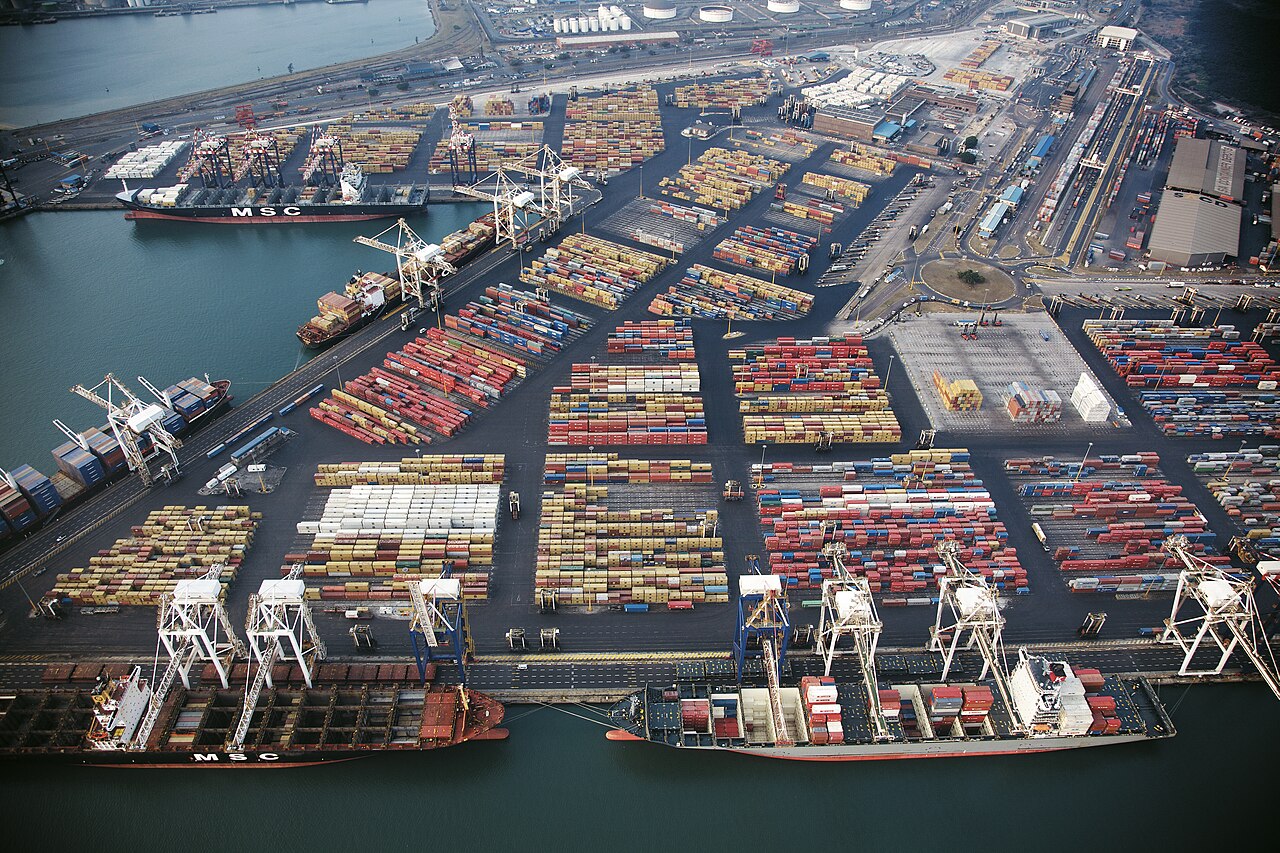
Transnet, South Africa’s state freight and logistics operator, said this week it is continuing emergency measures to clear a severe container backlog at the Port of Durban’s Durban Gateway Terminal, as Western Cape fruit exporters warned the congestion threatens the start of the citrus and deciduous fruit export season. Exporters have warned that rerouting shipments through the Port of Ngqura to avoid the bottleneck could add roughly R20,000 per container.
The backlog, which built up through October and November, left vessels waiting between 14 and 20 days to berth at the terminal, which handles 46 percent of South Africa’s port traffic. The disruption has already delayed shipments of medicine, citrus and other cargo, prompting Transnet to prioritize the release of critical goods while it works through equipment and operational constraints at the facility.
Weeks of Delays at Key Terminal
Industry groups raised the alarm in recent weeks as businesses reported delays of up to 20 days before cargo could be transshipped at the terminal, formerly known as Pier 2. The bottleneck centers on the facility that in December 2025 became the subject of South Africa’s first port privatization deal, when Transnet and International Container Terminal Services Inc of the Philippines signed a 25-year partnership agreement for the terminal.
Durban Gateway Terminal began operating under that concession in January, with the Philippines-based operator managing the facility and Transnet retaining 51 percent ownership. Transnet and the terminal operator have acknowledged the backlog is hurting shipping lines, cargo owners and the broader logistics chain, and have rolled out emergency measures including extra berths, vessel diversions and additional rail capacity.
Transnet’s Recovery Measures
The turnaround plan includes making additional berth capacity available at Pier 1 and diverting some vessels to Ngqura Container Terminal near Gqeberha, where containers are discharged and then transferred by smaller geared vessels back to Durban. The terminal operator has said 16 new reach stackers and empty-container handlers are due by the end of November, with a further 26 second-hand straddle carriers expected by the end of the first quarter of 2027.
Transnet said it was working closely with the terminal to speed the movement of critical pharmaceutical products through the port to ease a resulting shortage of medicines in the country. The Citrus Growers’ Association of Southern Africa has said the backlog already disrupted shipping and caused some exporters to miss market supply windows, contributing to a weaker 2026 export season.
Stakes for Agricultural Exporters
Industry figures underline the port’s importance to farm trade, with Durban handling nearly 88 percent of South Africa’s wheat imports in the 2025-26 season and 43 percent of citrus pallets exported through five southern African ports in 2025. The Citrus Growers’ Association said in a November 13 update that the backlog had already disrupted shipping during the current season.
Industry representatives have questioned whether Transnet’s interventions go far enough, with one logistics figure describing the terminal’s fundamental challenge as a combination of operational inefficiencies, equipment constraints, container-handling capacity and landside congestion. Transnet has not responded to questions about the potential consequences of the congestion for exporters who could be squeezed by cargo diverted away from Durban.
Why it matters
The Durban backlog highlights the risks of concentrating nearly half of South Africa’s container traffic at a single gateway now operating under the country’s first port privatization deal. Persistent delays threaten cascading costs for agricultural exporters, pharmaceutical importers and manufacturers that depend on reliable just-in-time supply chains heading into the peak pre-holiday shipping period. The episode is an early test of the public-private partnership between Transnet and its Philippine terminal operator, and continued disruption could push more cargo toward alternative gateways such as Ngqura and Cape Town, reshaping competition among southern African ports.
Source: IOL (Cape Argus)