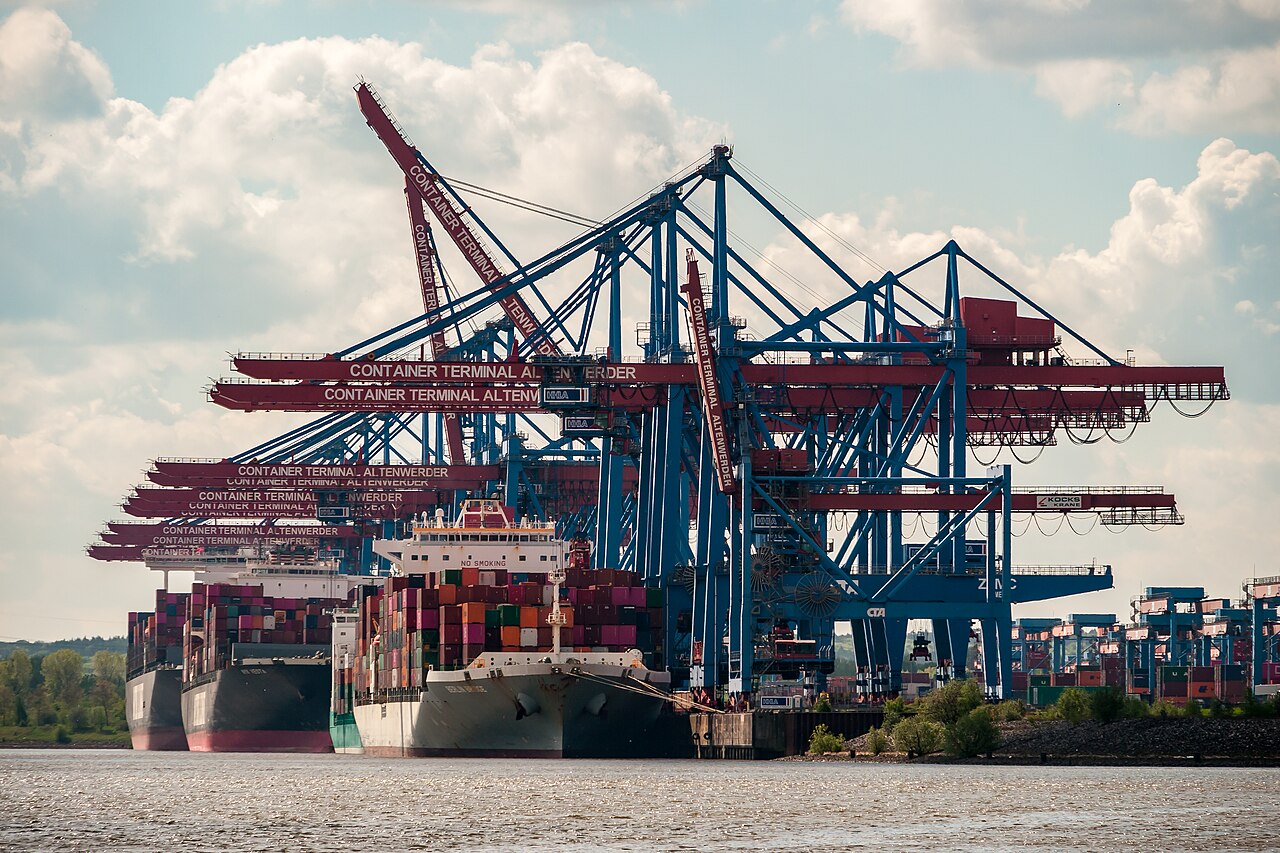
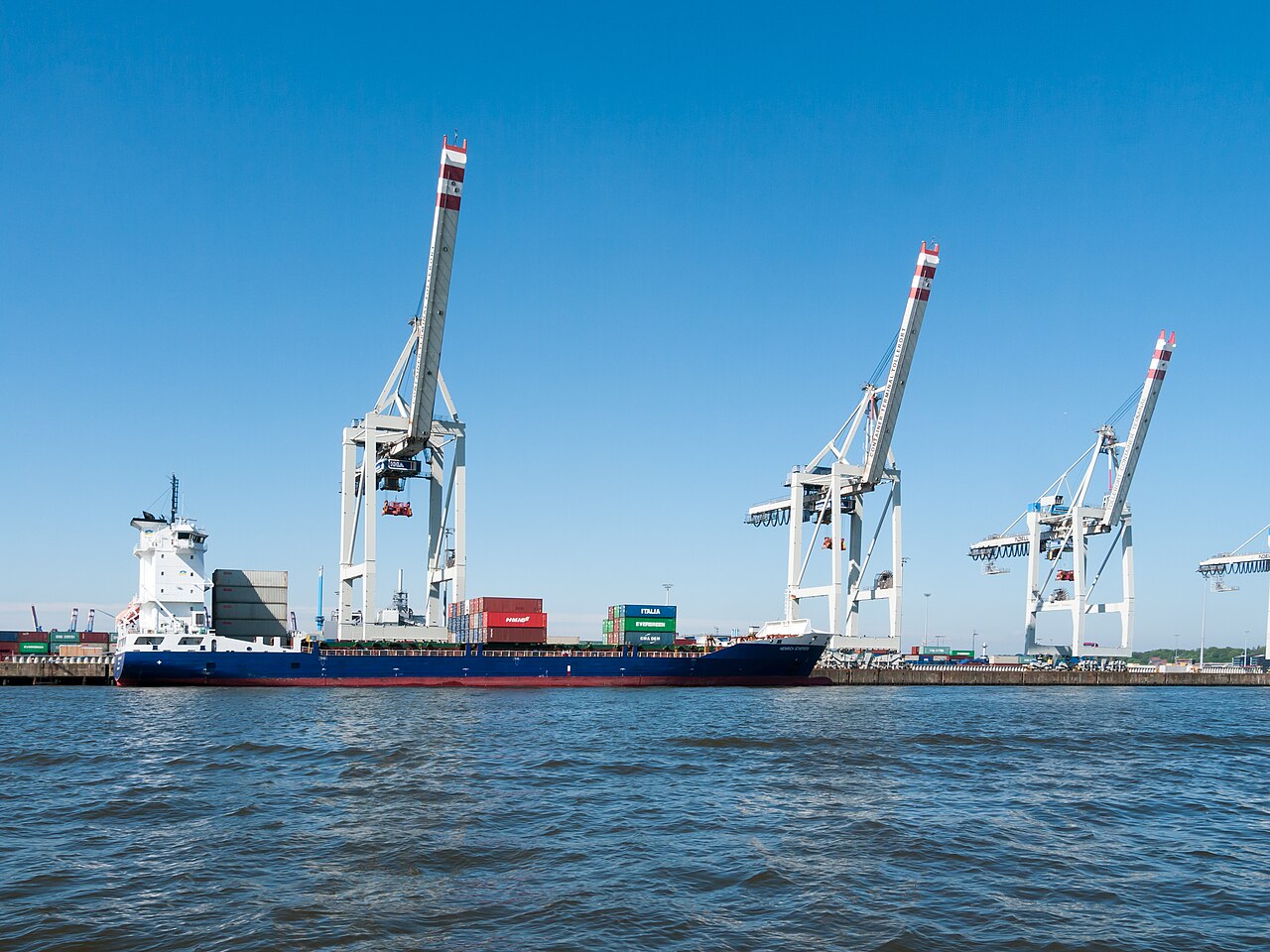
Dockworker members of Germany’s ver.di union have agreed to accept new contract terms offered by the Central Association of German Seaport Operators (ZDS), averting the threat of indefinite strikes that had loomed over the country’s six largest seaports since August. Ver.di said the deal covers roughly 11,000 unionized port employees working at Hamburg, Bremen, Bremerhaven, Emden, Brake and Wilhelmshaven.
The agreement, reached in early October, ends a bargaining standoff that produced four rejected wage offers and two rounds of warning strikes over the preceding two months. Ver.di cautioned that while workers had accepted the terms, the employers’ side still needed to formally approve the outcome before the dispute could be considered fully resolved.
Months of Rejected Offers
The dispute dated back to mid-August, when ver.di members first rejected a ZDS offer of a 5.1 percent wage increase over an 18-month term, prompting a 48-hour warning strike that began on September 2 and disrupted terminal operations at Hamburg, Bremerhaven, Bremen, Wilhelmshaven, Emden and Brake. A fourth employer proposal, surveyed among more than 5,500 workers in mid-September, offered a 3.4 percent hourly wage increase backdated to August 1 under a 12-month deal, plus a 200-euro rise in holiday pay and a 416-euro annual lump sum for container terminal staff from January 2027.
That offer was rejected by 64.7 percent of participating members, short of the 75 percent threshold ver.di needed to authorize open-ended industrial action under its own rules. The union had been pressing for an 8.2 percent wage increase, or a minimum of 2.50 euros an hour, under a shorter 12-month agreement that would allow it to reopen talks sooner. A formal strike-authorization ballot ran until October 1 before negotiators returned to the table and reached the settlement announced the following week.
Lingering Port Congestion
Even with the strike threat lifted, German terminals remained under operational strain in the settlement’s immediate aftermath. Logistics provider Kuehne + Nagel reported yard utilization at Bremerhaven had reached 90 percent, with Hamburg running at 80 to 85 percent capacity, while Wilhelmshaven had eased to around 65 percent. Data from Xeneta’s liner database showed vessel waiting times at German ports beginning to improve since the start of September, suggesting the backlog built up during the warning strikes was starting to clear.
The German dispute unfolded alongside separate labor unrest in the Netherlands, where dockworkers staged a walkout on September 4 over proposed social security reforms, disrupting operations at Rotterdam, Europe’s busiest port. Compounding pressure on regional supply chains, low water levels on the Rhine continued to delay barge cargo movements between German ports and inland markets even after the dockworker dispute was resolved.
Industry Response
Ver.di described the outcome in measured terms, stating that strikes at the six ports had been averted for the time being, while noting that the employers still had to formally sign off on the agreed terms. The union’s chief negotiators had previously argued that ZDS offers failed to include sufficient provisions for lower-paid workers, even as the proposed overall package value rose across successive rounds of talks.
For shippers and carriers routing cargo through Germany’s North Sea gateways, the settlement removes near-term uncertainty over vessel schedules, lashing, mooring and inland transport connections that had been flagged by freight forwarders during the warning strikes. Terminal operators are expected to continue working through accumulated yard congestion in the coming weeks as throughput normalizes.
Why it matters
Hamburg, Bremerhaven and the other North Sea ports covered by the agreement handle a substantial share of Germany’s seaborne trade and serve as key gateways for container flows into central Europe. Repeated warning strikes since August had already strained terminal yard capacity and vessel schedules, with knock-on effects for inland rail and truck operations. Resolution of the dispute reduces the risk of further disruption to a corridor already under pressure from separate Dutch labor action and low Rhine water levels affecting barge cargo.
Source: The Loadstar