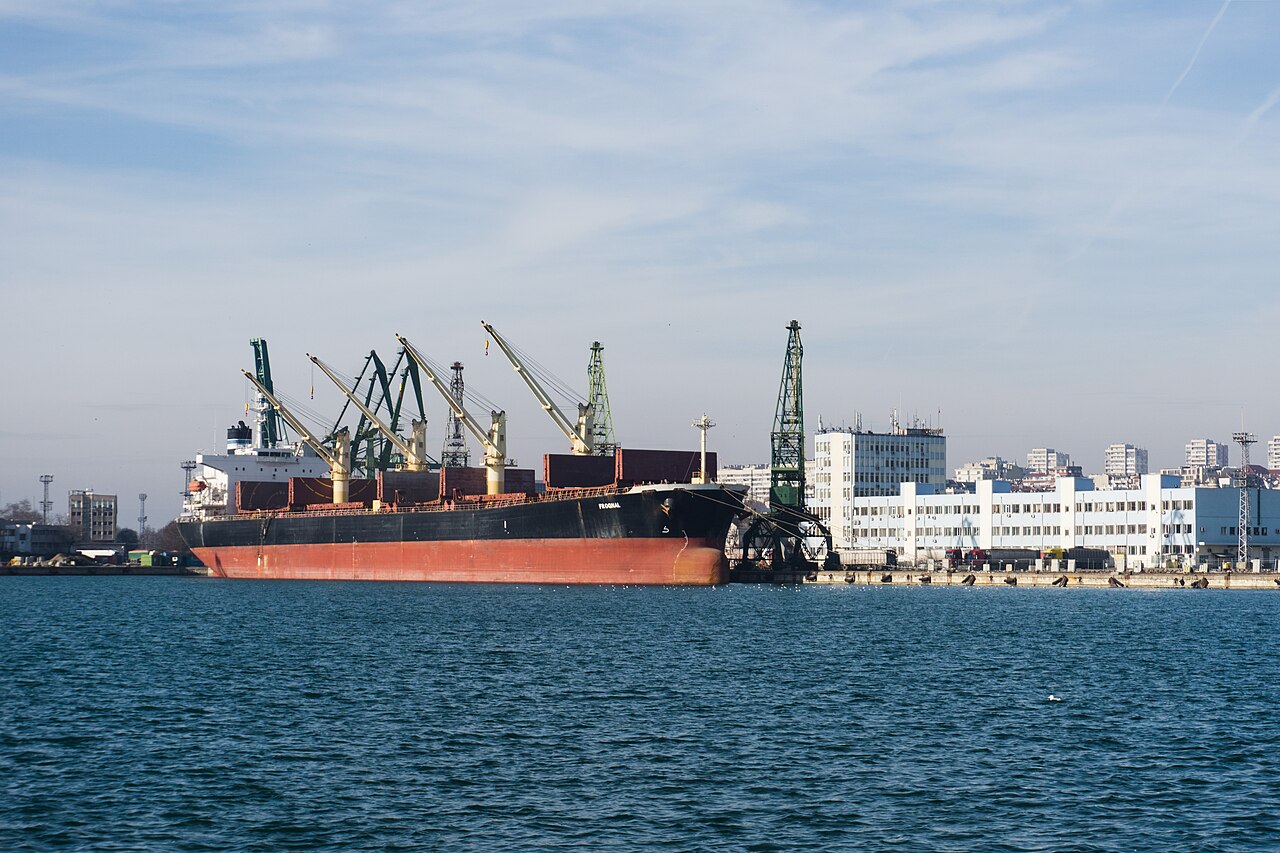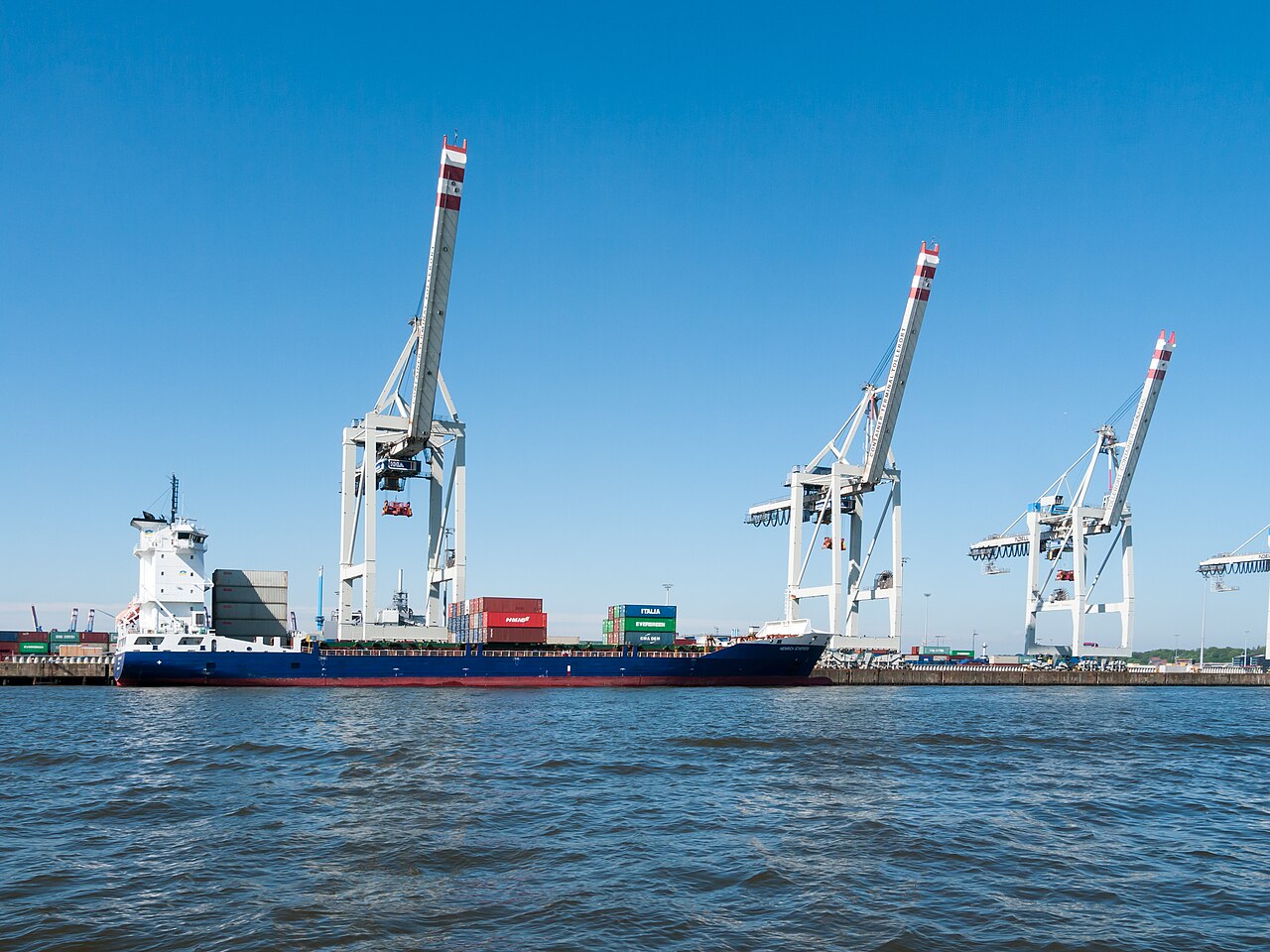
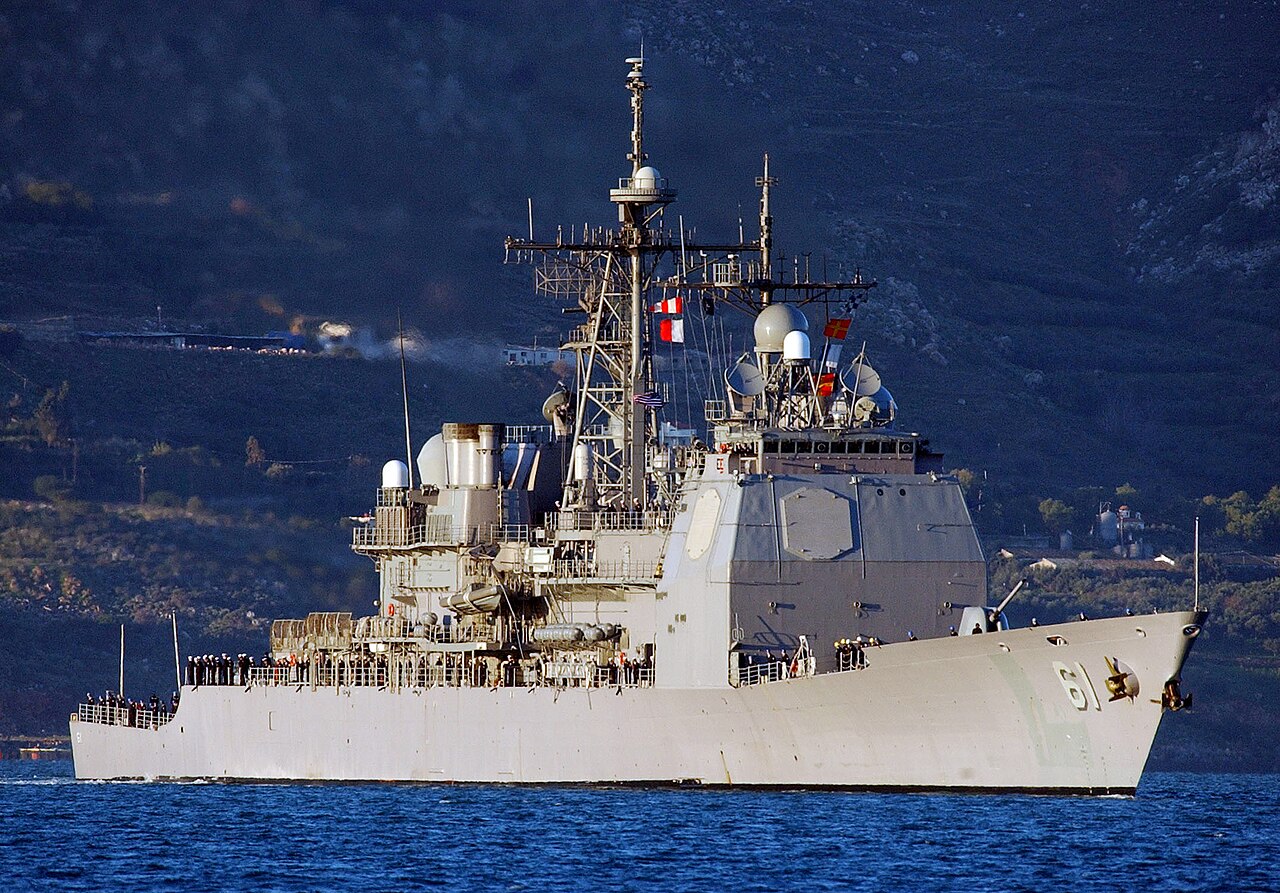
Norwegian authorities arrested five people in the Bergen area on October 14 as part of a cross-border investigation into suspected fraud and bribery involving shore-based support services supplied to NATO military vessels during port calls. The operation, coordinated by Eurojust, the European Union’s agency for criminal justice cooperation, also included searches of business premises and private homes in Germany and Romania.
Investigators suspect a company and its subcontractors submitted fraudulent invoices to the NATO Support and Procurement Agency (NSPA) for so-called husbandry services, the shore-based logistical and organizational support provided to ships and their crews during port visits in northwestern Europe. Eurojust estimates the scheme cost NATO member states more than 1 million euros between 2021 and 2025, though authorities say the full financial impact remains under investigation.
Scope of the Alleged Scheme
According to Eurojust, the joint investigation team was established in July 2025 and includes authorities from Norway, Germany, Romania and the United Kingdom. Norway’s National Authority for Investigation and Prosecution of Economic and Environmental Crime, known as Økokrim, said the five suspects, all Norwegian nationals, are accused of aggravated fraud against the NSPA or of aiding and abetting the alleged scheme, which it believes ran for several years and involved a large number of ship calls.
The NSPA, NATO’s principal logistics and procurement agency supporting equipment and services for the alliance’s 32 member states, identified the suspicious invoices and subsequently worked with investigators to supply evidence. The husbandry services at the center of the probe cover essential port-call support for naval vessels and their crews, a category of contracting that becomes especially significant during multinational naval operations involving ships from different countries.
Coordinated Raids and Bribery Allegations
The simultaneous action on October 14 saw Hamburg police search two companies and a private residence in Germany, while Romanian authorities searched a company premises and several private homes in connection with the case. Agencies involved in the operation include Norway’s Økokrim, Romania’s National Anticorruption Directorate, the UK’s Crown Prosecution Service and Ministry of Defence Police, and prosecutors and police in Hamburg.
Beyond the alleged over-invoicing, investigators are also examining claims that the company used an intermediary to bribe foreign public officials in exchange for favorable treatment in its contractual dealings with the NSPA. Marianne Bender, senior public prosecutor at Økokrim, said defence sector budgets are increasing worldwide, which brings a heightened risk of economic crime, adding that authorities are monitoring the area closely and that a tough response would follow if NATO has been defrauded.
Implications for Military and Commercial Port Contracting
The case illustrates the vulnerabilities in shore-support contracting that underpins both military and commercial shipping logistics, where husbandry service providers handle everything from bunkering coordination to crew welfare and customs clearance during port calls. Bender noted that investigating the case will take time because the charges span several years and involve a very large number of ship calls, suggesting the scheme may have touched a broad swath of NATO port visits across northwestern Europe.
The timing coincides with a broader increase in NATO and allied naval activity in European waters amid heightened tensions with Russia, which has placed growing demand and spending on logistics and procurement agencies like the NSPA. Eurojust said the precise financial scope of the alleged fraud has not yet been determined, and the investigation remains ongoing across the three jurisdictions.
Why it matters
The case highlights governance risks in the husbandry-services sector that underpins naval and commercial port logistics, where opaque subcontracting chains can obscure over-invoicing and bribery. As NATO defence budgets rise amid heightened tensions with Russia, procurement agencies face greater exposure to fraud targeting shore-based support contracts tied to warship port calls. The cross-border nature of the Eurojust-coordinated action also signals intensified EU scrutiny of military logistics spending, with potential implications for how port service providers are vetted and audited across member states.
Source: gCaptain