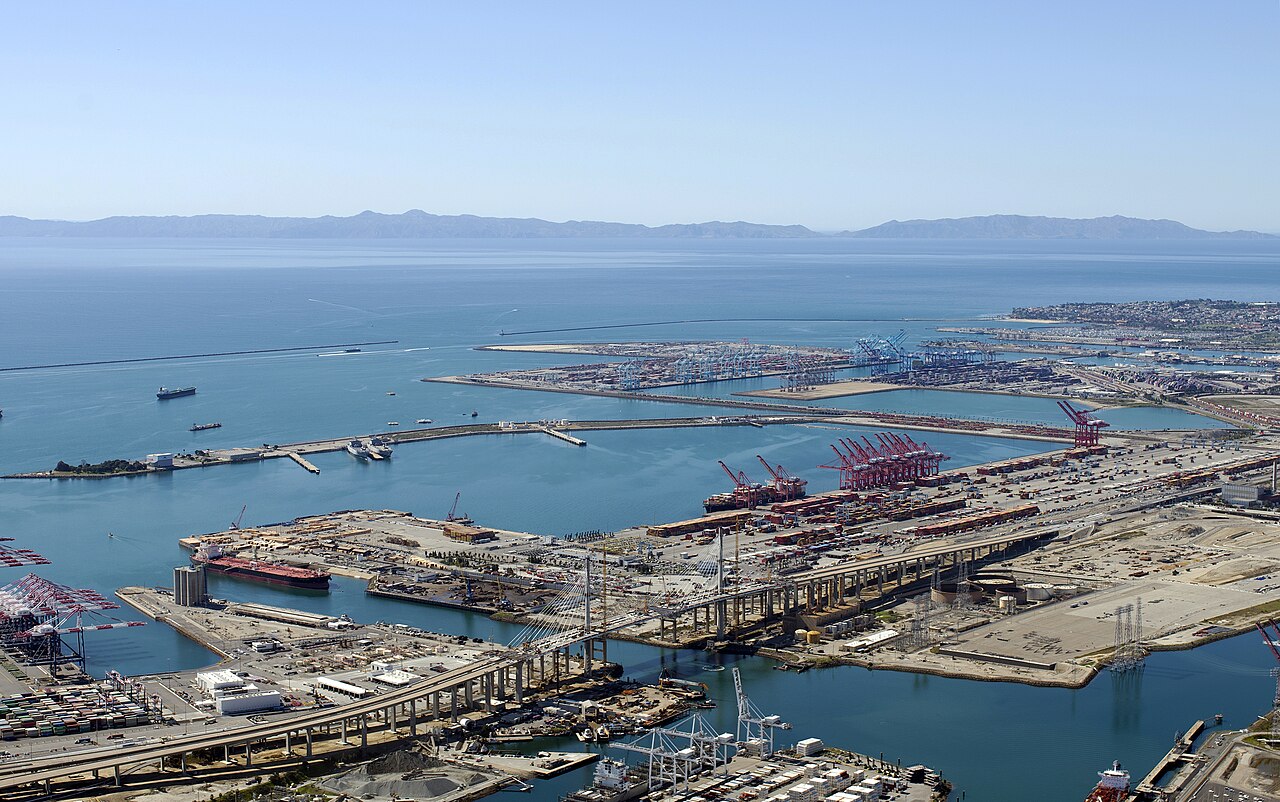
The Port of Long Beach handled 997,177 twenty-foot equivalent units in September, a 25 percent year-on-year increase that made it the busiest month in the Southern California gateway’s 115-year history, port officials announced this week. The figure eclipsed the previous monthly record of 987,191 TEUs set in October 2024.
Loaded imports drove the surge, climbing 31.3 percent from a year earlier to 509,390 TEUs, pushing the ratio of imports to exports past 5:1 for the month. The port attributed the record throughput to shippers’ cost-saving routing decisions amid high diesel costs, continued access restrictions at the Panama Canal, and anticipation of a possible new US-China trade agreement.
San Pedro Bay Complex Sets Combined Record
The record at Long Beach coincided with a milestone at the neighboring Port of Los Angeles, which handled 1,042,652 TEUs in September, its own busiest month in 118 years. Together, the two ports moved more than 2 million TEUs in a single month for the first time, underscoring the San Pedro Bay complex’s central role in trans-Pacific trade.
Loaded exports at Long Beach rose 7.8 percent to 91,747 TEUs, while empty container volume increased 22.1 percent to 396,040 TEUs as carriers rushed boxes back to Asia to meet demand. Through the first nine months of 2026, Long Beach has handled 7,675,255 TEUs, up 3.9 percent compared with the same period last year.
Canal Disruptions and Trade Policy Reshape Routing
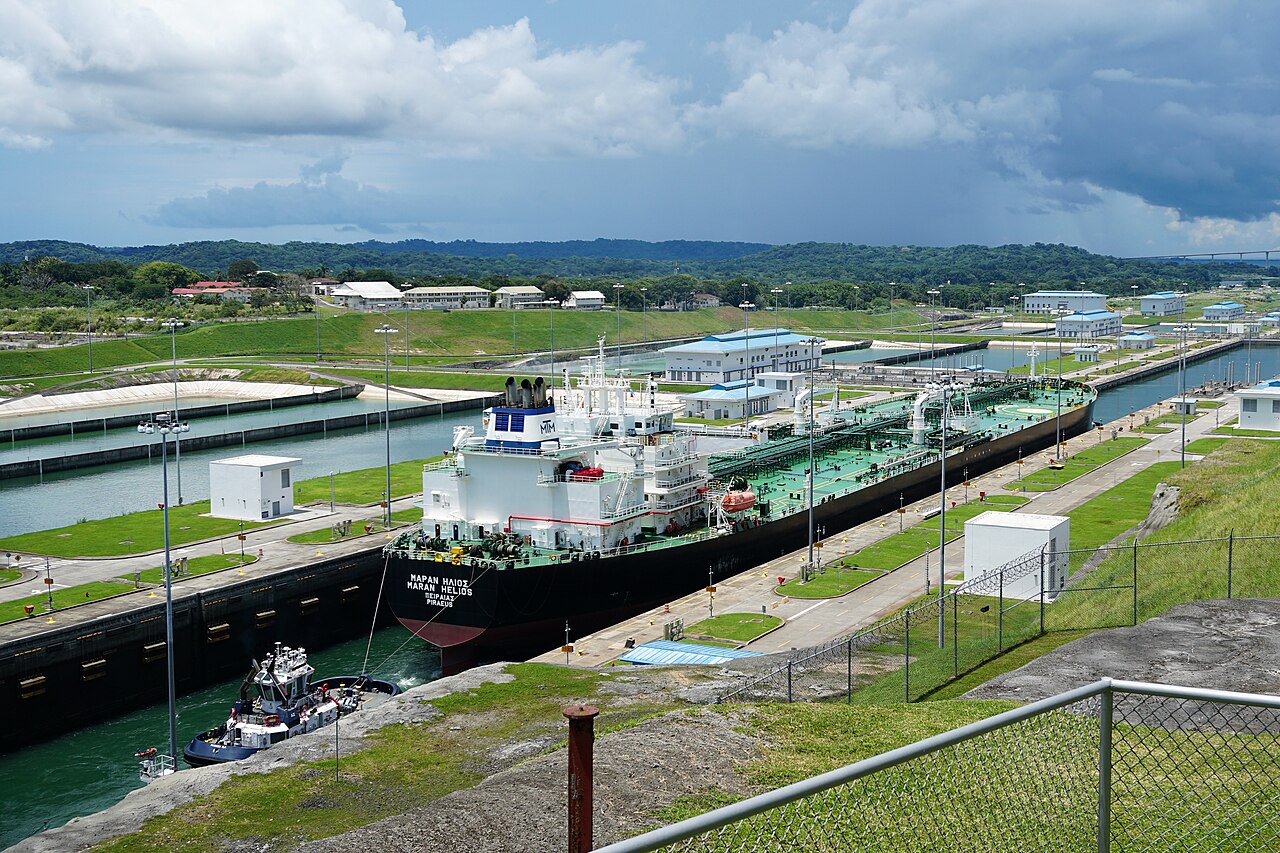
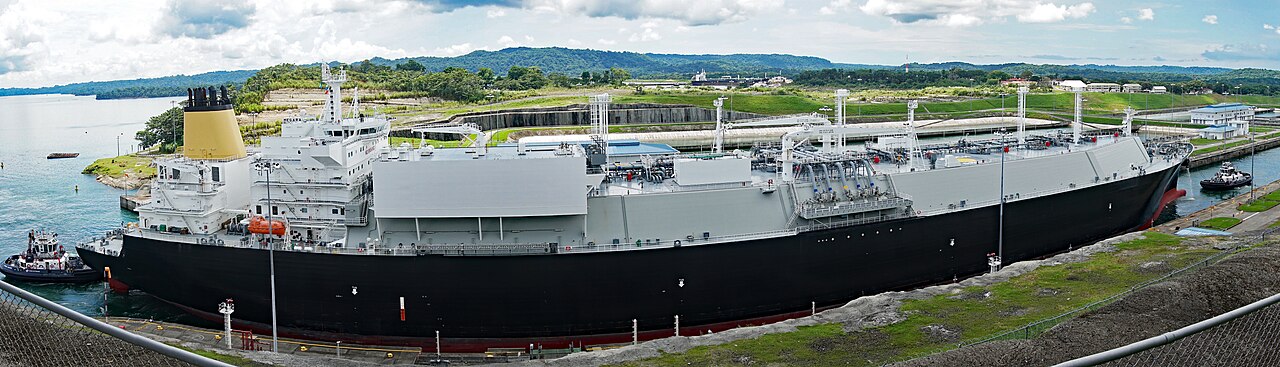
Carriers have increasingly diverted cargo toward West Coast gateways this year as water-level restrictions at the Panama Canal and lingering disruption on Red Sea and Suez Canal routes raised costs and uncertainty for alternative pathways. Higher diesel prices have also made longer-haul East and Gulf Coast routings less attractive relative to the shorter trans-Pacific crossing into Long Beach and Los Angeles.
Port executives noted the early-arriving peak shipping season has extended further into the autumn than is typical, a pattern consistent with retailers accelerating holiday merchandise imports. Total Terminals International, one of Long Beach’s marine terminal operators, also set a monthly rail record in September, moving 59,410 rail lifts, nearly half of its total container volume for the month.
Infrastructure Investment Tied to Long-Term Growth Targets
Port officials linked the September record to a broader strategic plan calling for $3.3 billion in capital improvements over the next decade, part of an effort to double the port’s annual cargo volumes to 20 million TEUs by 2050. The port currently handles cargo valued at approximately $300 billion annually, according to officials.
The scale of the September surge has drawn attention from logistics analysts tracking how shippers are rebalancing network strategies in response to canal bottlenecks and shifting tariff conditions. With import volumes continuing to outpace exports by a wide margin, port authorities and terminal operators are monitoring whether the elevated throughput will persist into the fourth quarter or ease once holiday inventory restocking concludes.
Why it matters
The record volumes at Long Beach and Los Angeles signal a structural shift in trans-Pacific routing as shippers hedge against canal bottlenecks at Panama and Suez, reinforcing West Coast gateways’ role in US supply chains ahead of the holiday season. The pronounced imbalance between imports and exports also highlights ongoing weakness in US agricultural and manufacturing shipments abroad, a trend with implications for carrier capacity planning and empty container repositioning costs. Sustained throughput at this level will test terminal, rail and inland logistics capacity across Southern California.
Source: Seatrade Maritime News