The Panama Canal Authority reported record annual tonnage and growth in vessel transits for Fiscal Year 2026, the twelve-month period running from October 2025 through September 2026, according to results presented Wednesday during a call hosted by Bank of America Merrill Lynch. The waterway handled 13,951 transits, up 4.1 percent from 13,404 in FY2025, while total cargo volume reached 521 million Panama Canal Universal Measurement System tons, a 6.5 percent increase that surpassed the previous record of 518 million tons set in 2022.
Administrator Ilya Espino de Marotta attributed the growth to stronger energy shipping segments and robust containership performance, alongside a rising share of larger vessels using the canal’s Neopanamax locks. The Authority also announced the immediate reinstatement of its Last-Minute Reservation service for the Panamax locks, citing effective water conservation measures and near-average rainfall levels in the watershed that have eased drought-related operating constraints.
Record Tonnage Driven by Energy and Boxship Demand
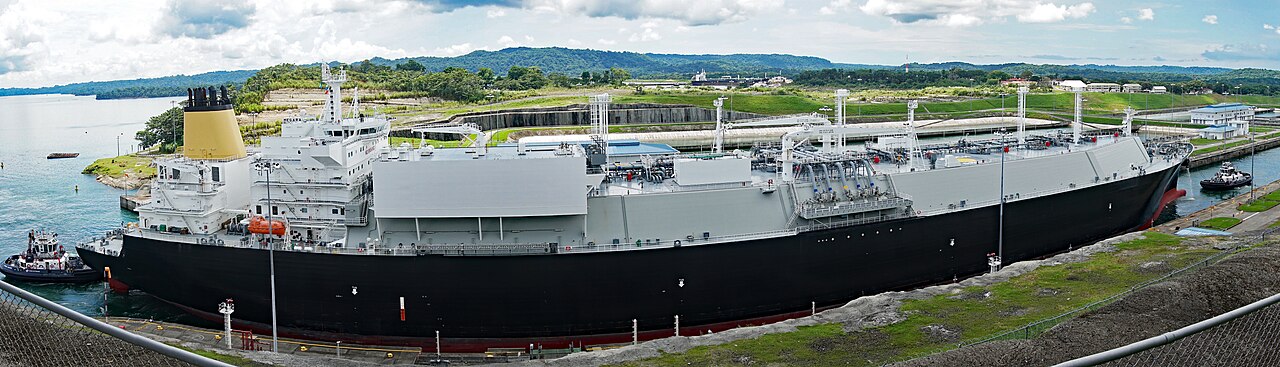
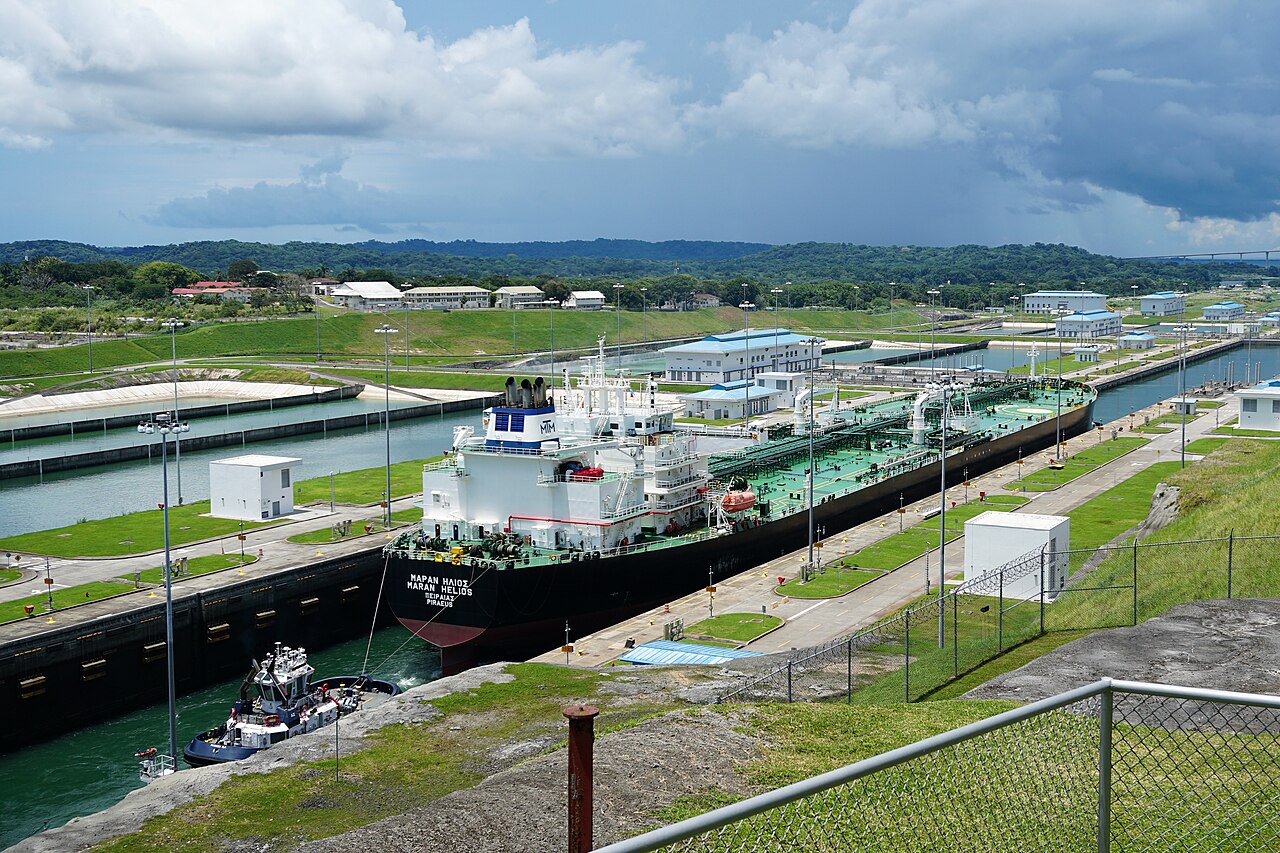
Total revenue for the fiscal year reached 6.6 billion balboas, an increase of 16.6 percent over the previous year, reflecting both higher traffic volumes and the toll adjustments the Authority has implemented in recent years. Vessels transiting the Neopanamax locks, which accommodate the largest ships able to use the waterway, accounted for 52.2 percent of total tonnage, with volumes through those locks climbing 8.2 percent year on year.
The Authority said the figures reflect the increasing share of larger-capacity vessels using the interoceanic route, as carriers in the container and energy trades continue to favor bigger ships for economies of scale. Officials also told Agence France-Presse that the canal increased the number of daily transits from 36 to 41 for a period during the year to accommodate the uptick in demand, while maintaining a 50-foot draft throughout the dry season.
Water Management Eases Drought-Era Restrictions
The results come after several years in which El Niño-driven drought forced the Authority to impose draft and transit restrictions that constrained capacity and pushed some shippers toward alternative routes. Water conservation measures implemented during the crisis, combined with watershed rainfall approaching historical averages this year, have allowed the Authority to begin restoring normal booking flexibility for customers.
The reinstated Last-Minute Reservation service allows vessels without an existing booking to secure a transit slot through the Panamax locks when one becomes available, though the Authority retains discretion over whether to offer the additional capacity. Executives including Deputy Administrator Miguel Lorenzo and Vice President of Finance Juan Mojica also discussed progress on the Authority’s Vision 2025-2035 water strategy, including the Río Indio Lake Project intended to secure long-term freshwater supply for canal operations.
Trade Pattern Shifts Support Sustained Recovery
Espino de Marotta said the canal’s role in facilitating global trade flows rather than restricting them was underscored by the fiscal year’s performance, noting the waterway continues to provide customers with a reliable and safe route despite external disruptions affecting other global chokepoints. The growth in energy shipping volumes has been particularly notable, with gas and other energy products playing an increasingly important role in the cargo mix moving through the canal.
The improved figures also reflect a broader rebalancing of global shipping routes this year, as carriers have weighed canal transit costs and wait times against alternatives including longer voyages around South America and the Northern Sea Route amid ongoing Middle East disruptions. The Authority’s ability to expand daily transit slots and restore flexible booking options signals growing confidence in the waterway’s near-term capacity to handle a rebounding mix of containerships, LNG carriers and other energy vessels heading into the next fiscal year.
Why it matters
The Panama Canal is one of the world’s most critical maritime chokepoints, and its record tonnage and transit growth in FY2026 signal a durable recovery from the drought-driven restrictions that disrupted global shipping schedules in prior years. The reinstated Last-Minute Reservation service gives carriers greater scheduling flexibility at a time when other key routes, including the Strait of Hormuz and parts of the Red Sea, face severe security-related disruptions. Sustained growth in energy shipping and Neopanamax containership volumes also points to a longer-term structural shift toward larger vessels transiting the canal, with implications for toll revenue, regional trade flows and competing route economics worldwide.
Source: Seatrade Maritime