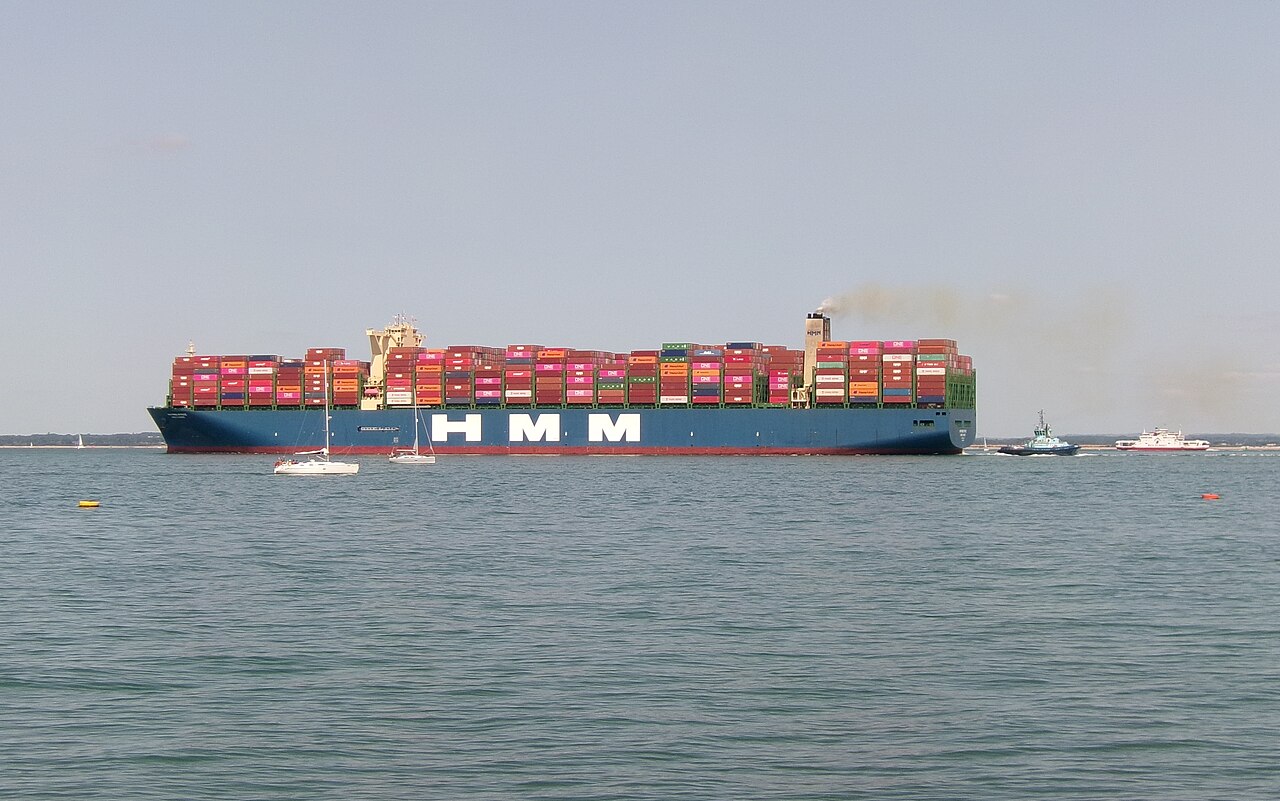

South Korea’s containership PanStar Acro arrived back in Busan on October 11 after completing a 50-day round trip to Europe via Russia’s Northern Sea Route, marking the first time a South Korean container vessel has made the Arctic crossing in both directions. The government-backed trial, organized with the shipping association, is intended to generate operational data for a planned regular Arctic container service.
The 2,758-TEU vessel, acquired from HMM in August and ice-strengthened for the voyage, departed Busan on August 22 carrying 837 TEUs of cargo, called at Felixstowe, Rotterdam and Gdansk, then retraced the route home through the Chukchi, East Siberian, Laptev, Kara and Barents seas. It arrived six days behind its original October 5 schedule but without major incident, and returned to Busan carrying only empty containers.
Voyage Details and Timeline
Operated by PanStar and built in 2011, the 45,500-dwt vessel entered Arctic waters on August 31 and reached Felixstowe on September 12, Rotterdam the following day, before calling at Gdansk on September 18 for the return leg. The Arctic passage covers roughly 13,000 kilometers between Busan and Rotterdam, about 35 percent shorter than the conventional route via the Suez Canal, according to figures cited by South Korean officials.
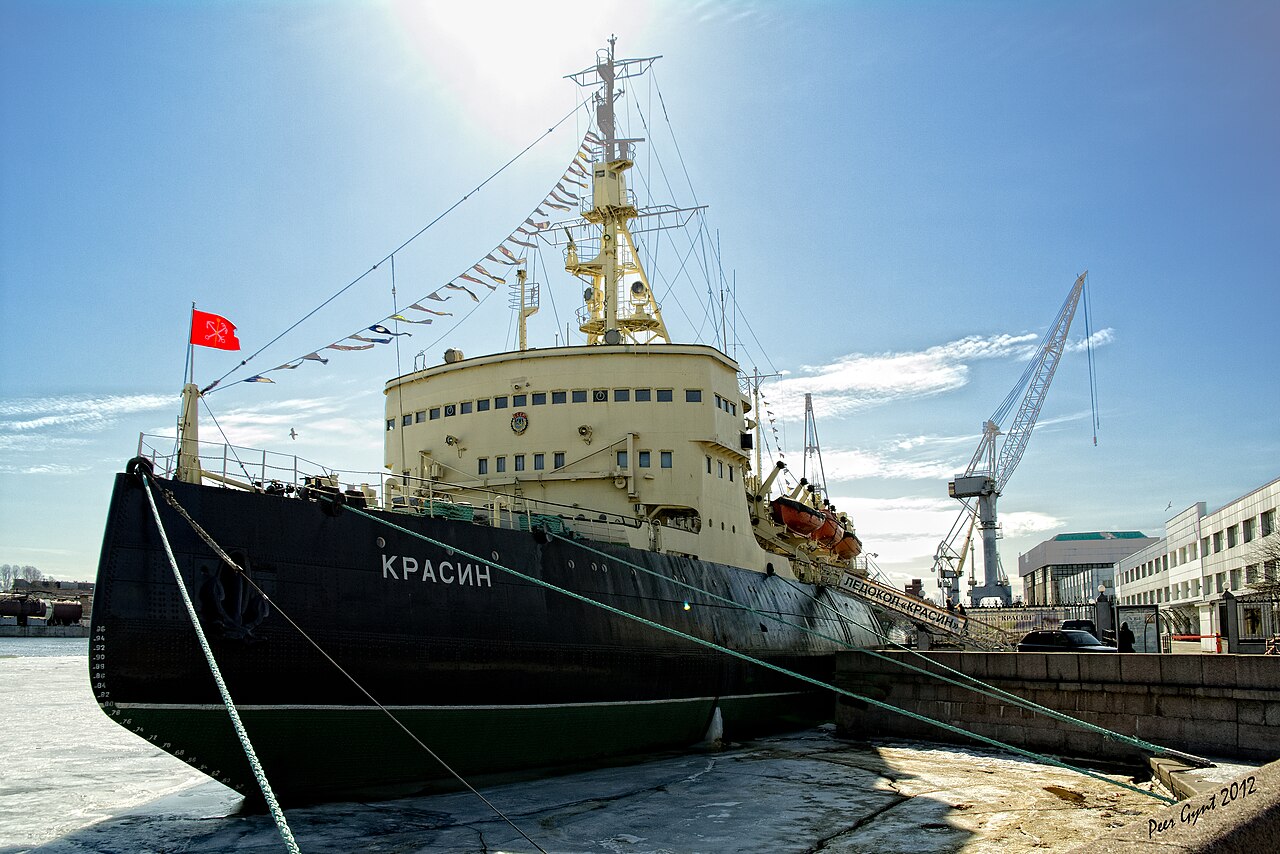
South Korea’s Ministry of Oceans and Fisheries said the ship’s eastbound Arctic transit took 5.85 days, compared with 6.4 days on the westbound leg, aided by navigational support from Russian nuclear icebreaker operator Rosatom. The ministry now plans to analyze sailing distance, transit time, operating costs and fuel consumption from the voyage to assess the economic feasibility of regular Arctic container services.
Commercial and Strategic Context
The trial comes as South Korean shipping companies had not used the Northern Sea Route since 2013, when Hyundai Glovis became the first Korean firm to traverse it, carrying naphtha rather than containers. President Lee Jae-myung has called for South Korea to establish a regular Arctic service by 2030, pledging investment in icebreaker infrastructure, polar crew training and research into ice-capable vessel technology, with ambitions to position Busan as a southern maritime hub for the route.
Despite the symbolic success, the voyage underscored commercial limits: PanStar Acro returned with only empty containers, raising questions about available backhaul cargo and the route’s near-term economic viability. The passage is also only navigable for a limited window each year and runs close to Russia’s Arctic coastline, requiring coordination with Russian icebreaker services even as Seoul maintains Western sanctions against Moscow over the war in Ukraine.
Wider Arctic Shipping Competition
South Korea’s trial follows years of intermittent Arctic container experiments by other carriers, including Maersk’s 2018 trial voyage of the ice-class Venta Maersk, which Maersk described at the time as designed to collect data rather than establish a regular alternative to existing routes. Chinese shipping companies have also been exploring the Northern Sea Route as container traffic disruptions in the Middle East and Red Sea prompt renewed interest in alternative corridors.
Russian authorities have welcomed the Korean test voyage as evidence of growing international interest in the route, which Moscow has long sought to develop as a commercial shipping lane under its Arctic development strategy. The current geopolitical backdrop, including disruption to traditional east-west trade lanes, has added urgency to government and industry assessments of whether Arctic transit can become commercially viable beyond isolated demonstration voyages.
Why it matters
The PanStar Acro voyage represents a milestone test of the Northern Sea Route as a commercial alternative connecting Northeast Asia and Northern Europe, offering potentially shorter transit times than the Suez Canal at a moment when Middle East tensions are disrupting conventional shipping lanes. However, the empty backhaul and six-day schedule slippage highlight that cargo availability, seasonal ice windows and Russian-dependent navigation remain significant barriers before Arctic container shipping can scale into a reliable commercial service. South Korea’s push to position Busan as an Arctic hub by 2030 could reshape competitive dynamics among Asian ports if the route proves economically sustainable.
Source: The Maritime Executive