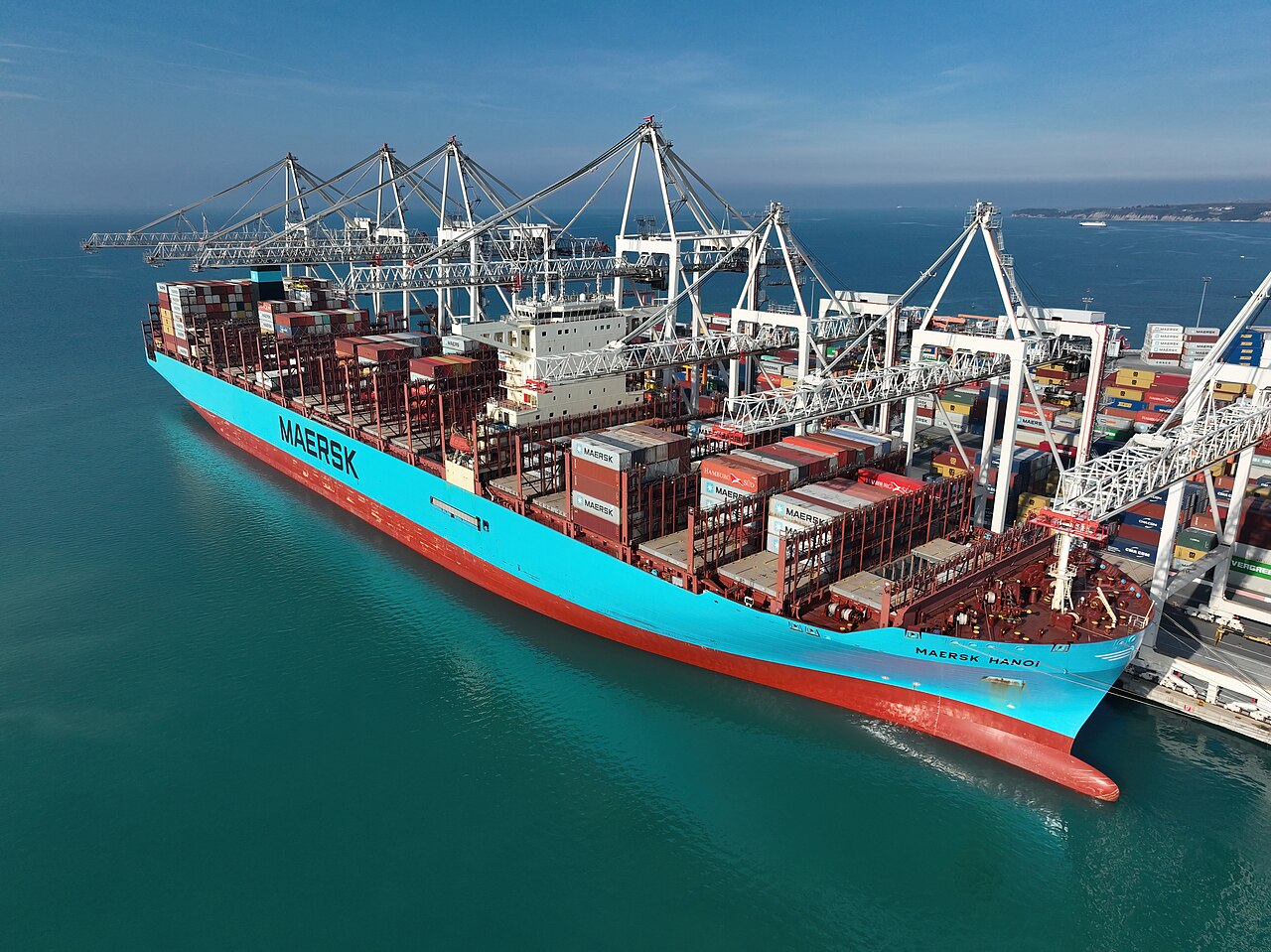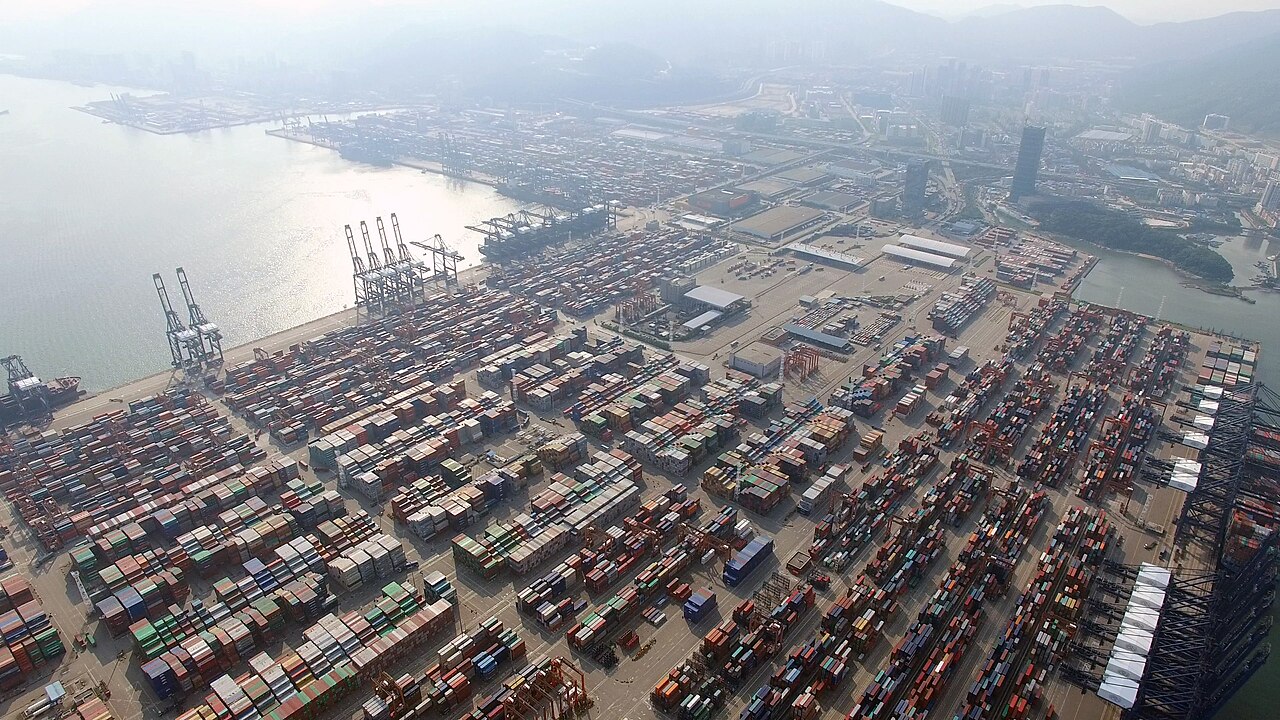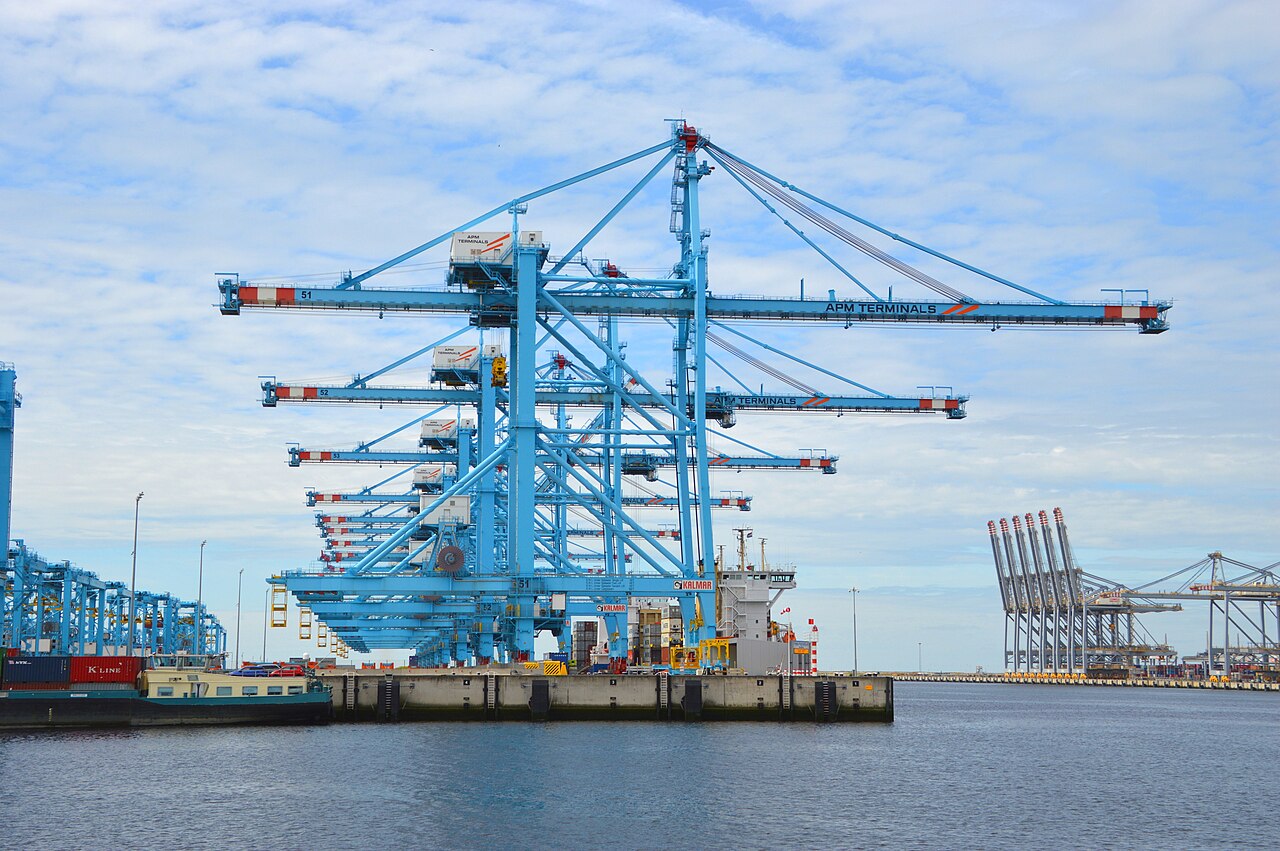
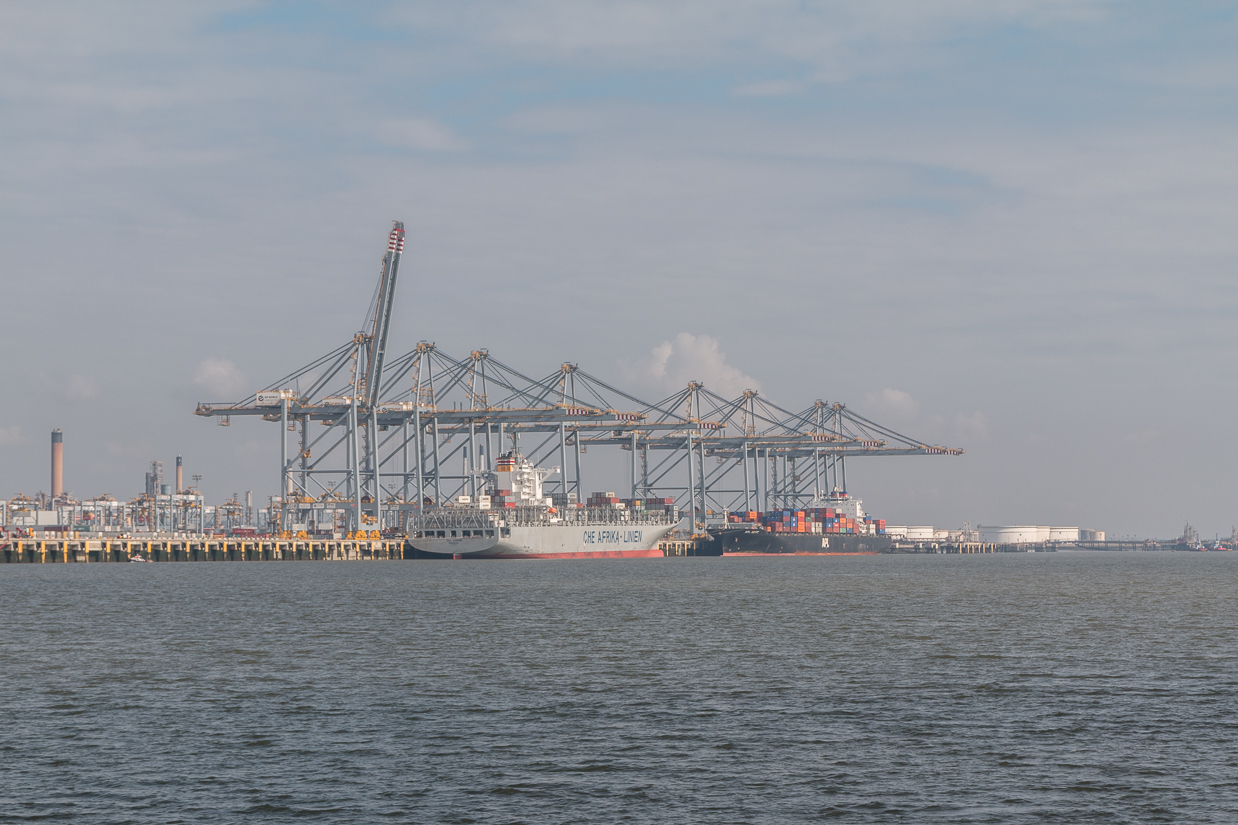
Maersk told customers on November 13 that both London Gateway and Felixstowe Quay remained closed to empty container returns, with London Gateway expected to reopen on Monday, November 16, and Felixstowe not before Wednesday, November 18.
The closures mark the latest episode in a cycle of gate suspensions that has intermittently hit London Gateway since October 23, underscoring persistent yard congestion at the United Kingdom’s two busiest container terminals as cargo volumes stay elevated heading into the final weeks of the year.
Repeated Gate Closures Since October
Maersk first suspended empty container acceptance at London Gateway from 12:00 on October 23, telling hauliers that the terminal would not take empties until further notice and directing them to check MATS Online for alternative instructions. Hauliers were advised to redirect boxes to Pentalver London Gateway, Tilbury or Southampton while the suspension was in force, with disruption initially expected to last the weekend.
The carrier lifted those restrictions on October 26, confirming that empty containers could again be returned to the terminal under normal procedures and that hauliers needed to secure a Vehicle Booking System slot before dispatch. The relief proved short-lived: London Gateway had already stopped taking Maersk empties from October 23 to 26, and it has been closed to them again since November 2, according to trade reporting on the dispute.
Felixstowe Quay Joins the Shutdown
By November 13, Maersk confirmed that London Gateway remained closed to all empty container returns and that Felixstowe Quay had also been closed to empties, widening the bottleneck beyond the Thames Estuary terminal alone. The carrier indicated London Gateway was expected to reopen on November 16, while Felixstowe, which handles the largest share of UK container traffic, was not expected to resume empty acceptance before November 18.
The overlapping closures at Britain’s two dominant box gateways have forced hauliers to repeatedly reroute empty equipment, adding cost and complexity to inland logistics chains already strained by elevated import volumes. Industry monitoring has tracked the on-again, off-again pattern closely, noting that the terminals have swung between suspension and resumption multiple times since late October.
Operational and Commercial Fallout
Hauliers attempting to return empty boxes during the closures have had to rely on Vehicle Booking System slots and constant monitoring of MATS Online for updated guidance, adding administrative burden to an already tight turnaround schedule. The recurring gate suspensions risk compounding dwell times at both terminals, with knock-on effects for chassis and container availability across the wider UK import and export supply chain.
The disruption also lands as shippers and carriers head into 2027 contract negotiations without clarity on broader trade costs, including unresolved US port fee policy affecting Chinese-linked tonnage. For now, Maersk has said it will continue monitoring conditions at both terminals and issue further advisories if the situation changes, leaving customers to plan around a congestion cycle that has yet to show a durable resolution.
Why it matters
Felixstowe and London Gateway together handle the bulk of containerized trade entering and leaving the United Kingdom, so repeated empty-return suspensions at both ripple quickly through inland haulage, chassis availability and import schedules nationwide. The recurring nature of the closures, four cycles of suspension and resumption in under a month, signals structural yard capacity strain rather than a one-off event, raising costs for shippers and hauliers alike. With 2027 carrier contract talks approaching, unresolved congestion adds another layer of uncertainty for UK-bound cargo planning during the peak autumn and holiday shipping season.
Source: Shipping and Freight Resource / Maersk Customer Advisories