A new report produced by University College London’s Energy Institute together with WWF Greece has found that Greek shipowners hold around $78 billion in assets exposed to the global shipping industry’s energy transition, double the exposure of Japan, the next most exposed ship-owning nation. The study was published on November 23, 2026, ahead of two pivotal rounds of talks at the International Maritime Organization on a global framework to price shipping emissions.
The report, titled Real economy consequences for Greece from success or failure of the Net-Zero Framework, argues that the IMO’s proposed Net-Zero Framework (NZF) offers Greek shipowners the regulatory clarity they need and represents the best protection against a patchwork of competing regional climate rules. It lands days before the 23rd session of the Intersessional Working Group on Reduction of Greenhouse Gas Emissions from Ships, running November 23 to 27 in London, and the Marine Environment Protection Committee’s 85th session, opening November 30.
Scale of Greek Fleet Exposure
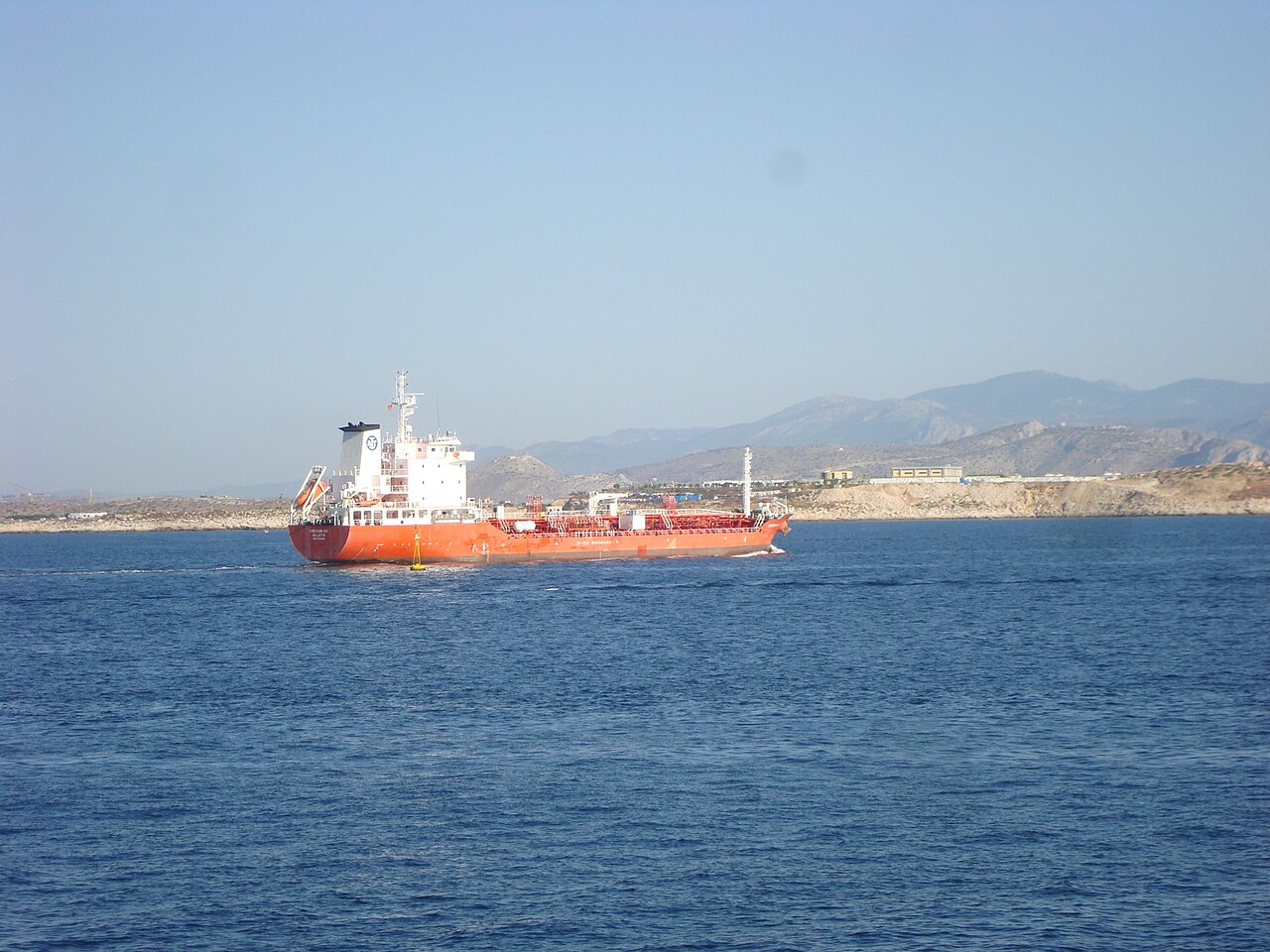
The report attributes Greece’s outsized exposure to its dominant position in carrying fossil fuels at sea. Greek shipowners control 26 percent of the world’s tanker tonnage, 23 percent of LNG carriers and 22 percent of bulk carriers, giving the country’s fleet a far larger stake in fossil-fuel-linked trade than any rival shipowning nation. That concentration leaves Greek-controlled capital more directly tied to the pace and shape of the energy transition than fleets based in Japan, China or elsewhere.
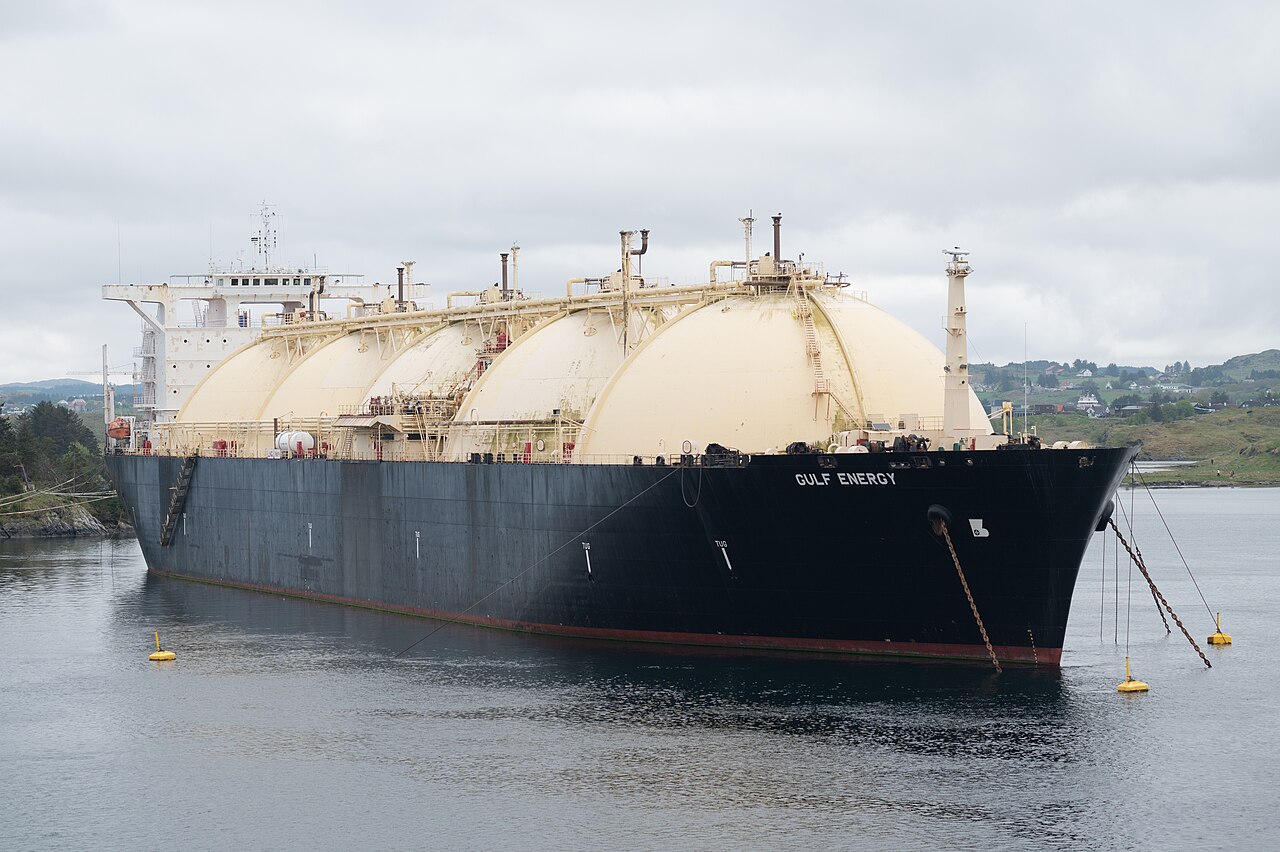
Among vessel types, the study singles out LNG carriers as facing the greatest transition risk, citing their high capital costs and limited ability to be redeployed to carry other cargoes if gas demand falls. Oil tankers and bulk carriers used for fossil fuel cargoes were also flagged as vulnerable asset classes. The findings reinforce Piraeus-Athens’ recently confirmed status as the world’s leading shipowning hub, with Greek-controlled tonnage valued at roughly $203 billion according to Clarksons Research data cited in a separate ranking.
Timeline Toward MEPC 85
The IMO Net-Zero Framework was drafted at MEPC 83 in April 2025 and was originally scheduled for adoption at an extraordinary session in October 2025, but the vote was postponed by a year after opposition from a bloc of member states, including the United States. The upcoming ISWG-GHG 23 session and MEPC 85 are now expected to determine whether the measure, which would require shipping companies to pay into a newly created IMO Net-Zero Fund based on their emissions, moves toward final adoption.
The UCL-WWF Greece report notes that at MEPC 84, options resembling the current Net-Zero Framework drew more than twice the support of purely technical alternatives, suggesting momentum within the IMO despite continued resistance from some quarters. The report frames the NZF as the most credible route toward the single, global rulebook that the shipping industry, including the Union of Greek Shipowners, has repeatedly called for in place of fragmented national or regional schemes.
Industry and NGO Reaction
WWF Greece CEO Demetres Karavellas said in comments accompanying the report that “the IMO Net-Zero Framework is the only credible global pathway to decarbonise the sector while providing the certainty businesses need to invest,” adding that the findings show Greece, as the world’s leading shipping nation, stands to lose more from delay than almost any other country. The report urges Greek shipowners to engage constructively in shaping the NZF and its implementing guidelines rather than resisting the measure outright.
The report’s release follows recent friction between Greek shipowners and EU regulators, with Union of Greek Shipowners president Melina Travlos warning on November 17 that a lack of progress in emissions talks risked a fresh deadlock and questioning whether Brussels was prioritizing its own regional carbon revenues over a balanced global deal. The UCL-WWF Greece analysis counters that opposing the NZF will not halt the broader transition, but will instead increase regulatory uncertainty and expose Greek shipping to greater financial risk.
Why it matters
With Greek owners controlling the largest shipowning fleet in the world and leading market shares in tankers, LNG carriers and bulk carriers, the outcome of the IMO’s Net-Zero Framework negotiations will disproportionately shape the commercial future of Greek shipping. A fragmented outcome, split between a weakened global rule and overlapping regional carbon schemes such as the EU’s own measures, could raise compliance costs and create legal uncertainty for the fleets that move a large share of the world’s energy cargoes. The report’s findings add economic weight to the debate ahead of MEPC 85, where delegates will decide whether to finalize, delay again, or further revise the emissions-pricing framework.
Source: Hellenic Shipping News